







MMDA enforcers start using body-worn cameras
Published Sep 10, 2025 06:30 pm


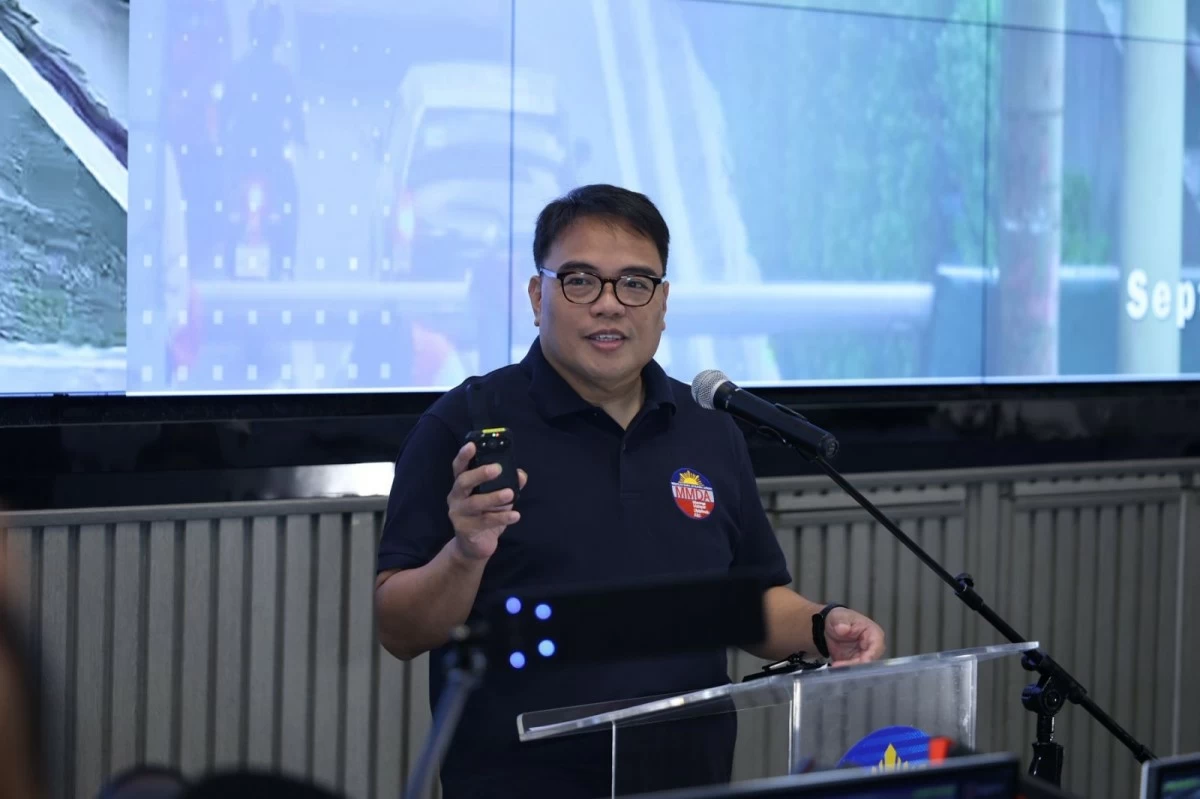
Enforcers of the Metropolitan Manila Development Authority (MMDA) have started using body-worn cameras in a bid to minimize direct interaction with motorists and protect them from harassments, especially during road clearing operations.
MMDA Chairman Don Artes said the use of body-worn cameras will complement the implementation of the No Contact Apprehension Policy (NCAP) under the agency’s resolution which allows for the use of digital cameras, CCTV, and/or other new technologies in the enforcement of traffic policies such as NCAP.
“The use of body-worn cameras is part of the innovations for the NCAP. It will initially cover key Metro Manila thoroughfares and designated Mabuhay Lanes. Eventually, we will expand the coverage once the ban on street parking in Metro Manila is approved,” said Artes.
He said the initiative is part of the agency’s ongoing efforts to adopt modern technologies that allow for the strict enforcement of traffic rules and regulations.
The use of body-worn cameras will be tested by the personnel of the newly-formed Swift Traffic Action Group (STAG) under Traffic Operations Officer IV Edison "Bong" Nebrija.
The cameras, according to Artes, are equipped with body-worn cameras linked to the MMDA Communications and Command Center to ensure real-time monitoring and documentation of on-ground operations.
To ensure transparency and accuracy, Artes said the MMDA STAG implements a buddy system during road clearing operations wherein the assigned traffic enforcer will wear the body camera serving as the camera coder, while his/her team member will issue and record the notice of violation.
"All STAG personnel have undergone comprehensive training on the proper use of the devices, adherence to data privacy protocols, and compliance with standard operating procedures to ensure lawful and ethical use," Artes emphasized.
The first wave of anti-illegal parking operations will be spearheaded by the STAG and after a week, the area will be reassessed by the Special Operations Group – Task Force for Road Clearing (SOG-TFRC) to ensure sustained compliance and to implement further clearing operations as necessary.
Artes clarified that STAG focuses on no-contact apprehension using body cameras, while SOG-TFRC is equipped with tow trucks for the physical clearing of illegally parked vehicles, which includes towing, if necessary.
If a driver is present, the notice of violation will be handed directly to them. If no driver is present, the notice will be placed on the vehicle’s windshield.
At the end of every STAG operation, Artes said all body cameras are returned to their designated docking stations, where high-definition footage is uploaded to the MMDA Communications and Command Center.
“All recorded apprehensions will be subjected to manual review by NCAP personnel,” said Artes.