ADVERTISEMENT

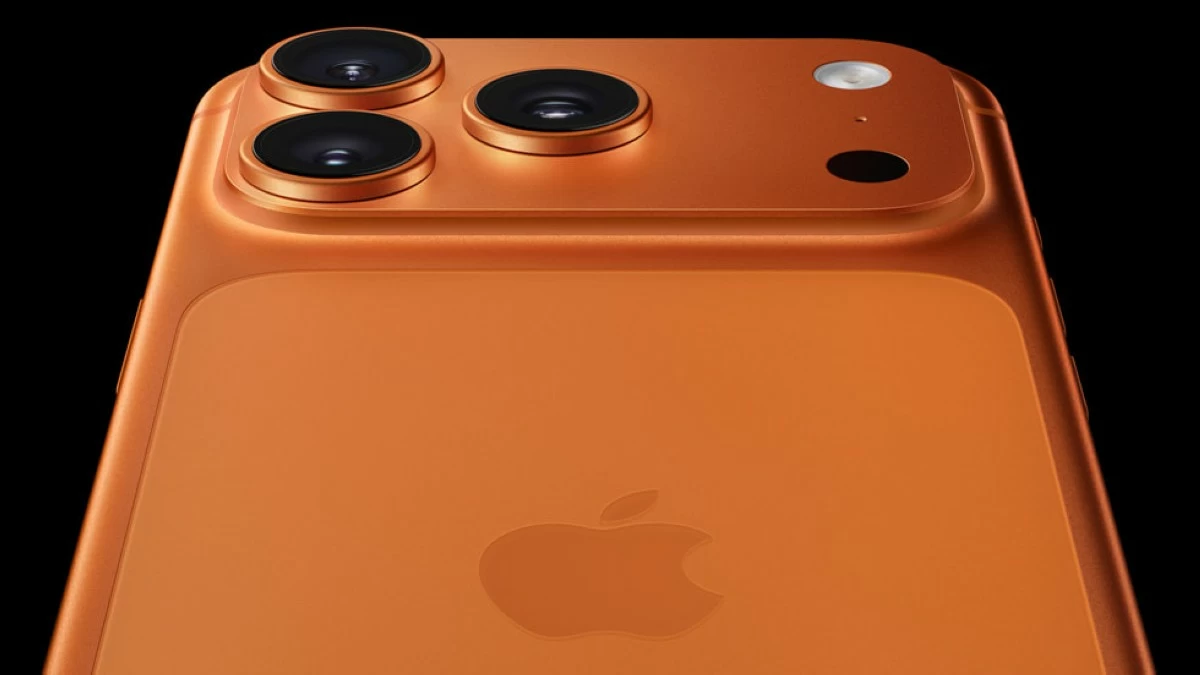
Is the iPhone 17 worth an upgrade?

Published Sep 10, 2025 02:21 pm
Apple spent their “awe dropping” event gaslighting the audience that the newest iPhone 17 is “incredible” and with whatever other superlative they could throw at the audience. Before you start bashing your keyboards and screens about how wrong I am, let me just say, I am an iPhone user myself. So, we chill?
We’re not going to deny iPhones are great phones. After all, coming from Apple’s own data, the A19 chip in the iPhone 17 is 20% better than the A18 chip from the iPhone 16. A 20% performance increase does sound incredible. Interestingly, Apple did not give any numbers on how much better the A19 Pro chips are compared to the regular A19 or even from last year’s A18 chip.
In Apple’s own website though, you can compare the A19 Pro chip with other models. The latest one available is the iPhone 15 Pro and the A19 Pro is said to be up to 20% faster when it comes to the 6-core CPU and up to 30% faster 5-core GPU.
In the camera department, we know iPhones can take great pictures. The iPhone 17 Pro and Pro Max have a 48MP Fusion camera and a 48MP Fusion Telephoto camera. It’s called Fusion because Apple claims one of these cameras combines the capabilities of two.
The bottom line is, if you have an iPhone 16, maybe even an iPhone 15, my take is that upgrading to the 17 is not worth it. I’d even go as far as 14 still being very usable. One of the biggest reasons you’d want to upgrade to the newer iPhones anyway is to make use of Apple Intelligence, which the iPhone 16 is supposed to be capable of delivering. However, Apple hasn't been able to deliver those promises yet. And until they manage to fulfill those promises, my take is to keep holding on to your iPhones 14, 15, and 16.
However, if you’ve had an iPhone 11 or 12, maybe 13 as your daily driver, then an upgrade to the iPhone 17 sounds just about time. Apple iPhones, from my experience, have excellent longevity. My old iPhone 6s, even after with the latest update it supports, continues to run fairly well even with all the bloat I’ve stuffed it with.
One more thing.
The iPhone Air presents an interesting possibility. For months, there have been rumors that Apple is getting ready to launch their first foldable next year. The iPhone Air, being 5.6mm thin, might point out some truth to those rumors. If by next year, Apple manages to shave off a few more millimeters out of that 5.6, we are looking at what, 5 to 5.2mm iPhone Fold thinness when opened. When closed that might point out a 10mm thickness, and that’s pretty chonky for smartphones. But Apple will probably make a few compromises to ensure the iPhone Fold will be as thin as they can make it out to be – but that’s pure speculation on my part.
ADVERTISEMENT
.most-popular .layout-ratio{ padding-bottom: 79.13%; } @media (min-width: 768px) and (max-width: 1024px) { .widget-title { font-size: 15px !important; } }

{{ articles_filter_1561_widget.title }}

.most-popular .layout-ratio{ padding-bottom: 79.13%; } @media (min-width: 768px) and (max-width: 1024px) { .widget-title { font-size: 15px !important; } }

{{ articles_filter_1562_widget.title }}

.most-popular .layout-ratio{ padding-bottom: 79.13%; } @media (min-width: 768px) and (max-width: 1024px) { .widget-title { font-size: 15px !important; } }

{{ articles_filter_1563_widget.title }}

{{ articles_filter_1564_widget.title }}

.mb-article-details { position: relative; } .mb-article-details .article-body-preview, .mb-article-details .article-body-summary{ font-size: 17px; line-height: 30px; font-family: "Libre Caslon Text", serif; color: #000; } .mb-article-details .article-body-preview iframe , .mb-article-details .article-body-summary iframe{ width: 100%; margin: auto; } .read-more-background { background: linear-gradient(180deg, color(display-p3 1.000 1.000 1.000 / 0) 13.75%, color(display-p3 1.000 1.000 1.000 / 0.8) 30.79%, color(display-p3 1.000 1.000 1.000) 72.5%); position: absolute; height: 200px; width: 100%; bottom: 0; display: flex; justify-content: center; align-items: center; padding: 0; } .read-more-background a{ color: #000; } .read-more-btn { padding: 17px 45px; font-family: Inter; font-weight: 700; font-size: 18px; line-height: 16px; text-align: center; vertical-align: middle; border: 1px solid black; background-color: white; } .hidden { display: none; }
function initializeAllSwipers() { // Get all hidden inputs with cms_article_id document.querySelectorAll('[id^="cms_article_id_"]').forEach(function (input) { const cmsArticleId = input.value; const articleSelector = '#article-' + cmsArticleId + ' .body_images'; const swiperElement = document.querySelector(articleSelector); if (swiperElement && !swiperElement.classList.contains('swiper-initialized')) { new Swiper(articleSelector, { loop: true, pagination: false, navigation: { nextEl: '#article-' + cmsArticleId + ' .swiper-button-next', prevEl: '#article-' + cmsArticleId + ' .swiper-button-prev', }, }); } }); } setTimeout(initializeAllSwipers, 3000); const intersectionObserver = new IntersectionObserver( (entries) => { entries.forEach((entry) => { if (entry.isIntersecting) { const newUrl = entry.target.getAttribute("data-url"); if (newUrl) { history.pushState(null, null, newUrl); let article = entry.target; // Extract metadata const author = article.querySelector('.author-section').textContent.replace('By', '').trim(); const section = article.querySelector('.section-info ').textContent.replace(' ', ' '); const title = article.querySelector('.article-title h1').textContent; // Parse URL for Chartbeat path format const parsedUrl = new URL(newUrl, window.location.origin); const cleanUrl = parsedUrl.host + parsedUrl.pathname; // Update Chartbeat configuration if (typeof window._sf_async_config !== 'undefined') { window._sf_async_config.path = cleanUrl; window._sf_async_config.sections = section; window._sf_async_config.authors = author; } // Track virtual page view with Chartbeat if (typeof pSUPERFLY !== 'undefined' && typeof pSUPERFLY.virtualPage === 'function') { try { pSUPERFLY.virtualPage({ path: cleanUrl, title: title, sections: section, authors: author }); } catch (error) { console.error('ping error', error); } } // Optional: Update document title if (title && title !== document.title) { document.title = title; } } } }); }, { threshold: 0.1 } ); function showArticleBody(button) { const article = button.closest("article"); const summary = article.querySelector(".article-body-summary"); const body = article.querySelector(".article-body-preview"); const readMoreSection = article.querySelector(".read-more-background"); // Hide summary and read-more section summary.style.display = "none"; readMoreSection.style.display = "none"; // Show the full article body body.classList.remove("hidden"); } document.addEventListener("DOMContentLoaded", () => { let loadCount = 0; // Track how many times articles are loaded const offset = [1, 2, 3, 4, 5, 6, 7, 8, 9, 10]; // Offset values const currentUrl = window.location.pathname.substring(1); let isLoading = false; // Prevent multiple calls if (!currentUrl) { console.log("Current URL is invalid."); return; } const sentinel = document.getElementById("load-more-sentinel"); if (!sentinel) { console.log("Sentinel element not found."); return; } function isSentinelVisible() { const rect = sentinel.getBoundingClientRect(); return ( rect.top < window.innerHeight && rect.bottom >= 0 ); } function onScroll() { if (isLoading) return; if (isSentinelVisible()) { if (loadCount >= offset.length) { console.log("Maximum load attempts reached."); window.removeEventListener("scroll", onScroll); return; } isLoading = true; const currentOffset = offset[loadCount]; window.loadMoreItems().then(() => { let article = document.querySelector('#widget_1690 > div:nth-last-of-type(2) article'); intersectionObserver.observe(article) loadCount++; }).catch(error => { console.error("Error loading more items:", error); }).finally(() => { isLoading = false; }); } } window.addEventListener("scroll", onScroll); });

Sign up by email to receive news.