






Manila Bulletin
 Philippines
National
CHED highlights AI-driven, inclusive education at CanvasCon Philippines 2025
Philippines
National
CHED highlights AI-driven, inclusive education at CanvasCon Philippines 2025
Philippines
National
CHED highlights AI-driven, inclusive education at CanvasCon Philippines 2025
CHED highlights AI-driven, inclusive education at CanvasCon Philippines 2025
Published Sep 10, 2025 01:37 pm


(MB Visual Content Group)
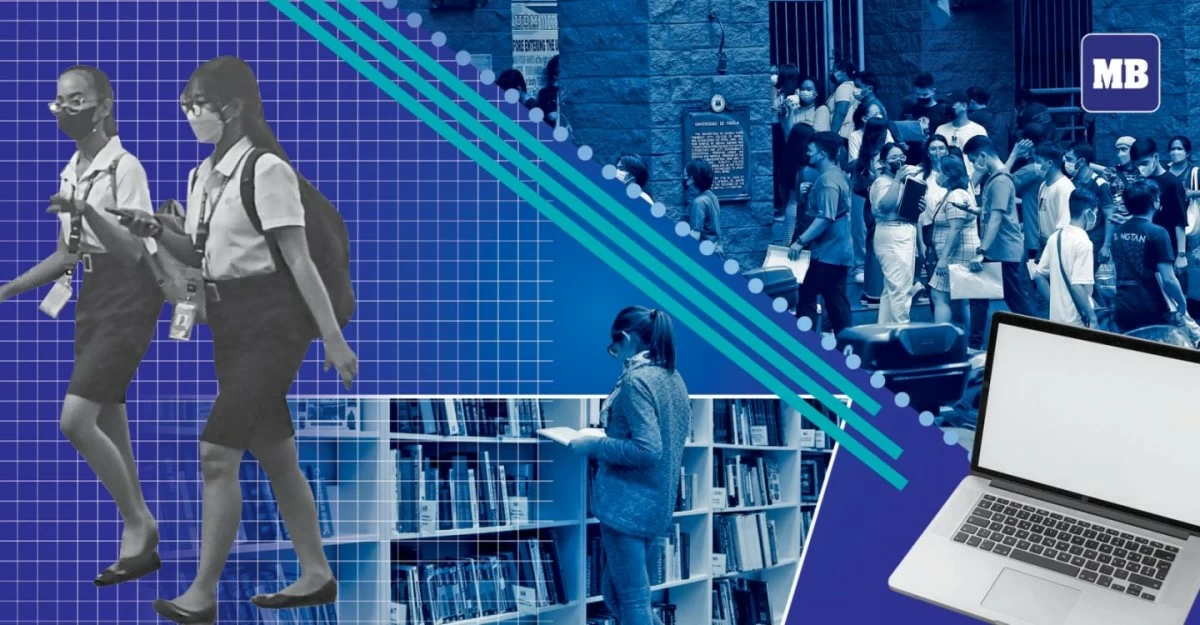
The Commission on Higher Education (CHED) underscored the critical role of innovation, inclusivity, and artificial intelligence (AI) in transforming Philippine higher education during CanvasCon Philippines 2025, held on Wednesday, September 10, at the Grand Hyatt Manila in Taguig City.
Commissioner Dr. Ethel Agnes Pascua-Valenzuela delivered the opening keynote, setting the tone for the one-day conference that gathered educators, administrators, and thought leaders from across the Philippines and abroad.
“AI is no longer the future. It is actually here—from adaptive learning platforms to virtual laboratories,” Valenzuela said in her keynote address.
Valenzuela also highlighted the importance of supporting technology-enabled, future-ready education systems that respond to the evolving needs of learners and the workforce.
“We are living in a time where technology is reshaping the way we teach and learn, and with these changes comes an extraordinary opportunity to unlock new ways of learning that empower both educators and learners to thrive in a rapidly evolving world,” she added.
Future-ready higher education
In her address, Valenzuela emphasized the urgency of adapting to rapid changes in the global workforce.
“Education is not just about knowledge; it's also about opportunity—it’s also about taking care of one another on this one planet,” she explained.

CHED highlights AI, digital learning, and future-ready education at CanvasCon Philippines 2025, promoting inclusivity and global competitiveness. (Merlina Hernando-Malipot / Manila Bulletin)
With the World Economic Forum projecting that 39 percent of workers’ core skills will change by 2030, she stressed that Philippine higher education institutions (HEIs) must embrace AI, digital learning platforms, and redefined assessment models to ensure graduates remain competitive both locally and internationally.
“In ASEAN alone, studies show that by 2030 more than half of existing jobs will require advanced digital skills, and yet many higher education systems are still designed around yesterday's workforce, not tomorrow’s,” she added.
Valenzuela also pointed to CHED’s ongoing initiatives, particularly the AI Workforce Development Plan.
“Jobs will change, skills will evolve, technologies will advance—but learning must never stop,” she said. “AI will make that possible, and that is how we prepare students not just for the future of work, but for the future of life.”
Key discussions at CanvasCon 2025
The conference revolved around clarity and practical solutions, moving beyond buzzwords to highlight real-world applications of technology in education.
Among the central themes was agentic AI, exploring how LMS platforms can transform teaching, personalize learning, and simplify academic management.
Leaders from universities, vocational institutions, and the private sector also tackled strategies to redesign higher education around inclusivity, equity, and global competitiveness.
Alongside CHED, other distinguished speakers included Ryan Lufkin, Instructure Vice President for Global Academic Strategy; Harrison Kelly, Instructure Managing Director for APAC; Martin Bean, CEO of The Bean Center; Leopoldo Valdez, OIC President of Holy Angel University; and Alma Emerita V. De La Cruz, Senior Vice President of FEU Roosevelt.
The highlight panel, “Today’s Learner Journey, Reimagined,” featured discussions on how technology empowers more connected and flexible learner experiences—an advocacy CHED has consistently advanced in its post-pandemic education policies.
Building digital maturity in Philippine HEIs
CanvasCon Philippines 2025 offered participants insights on simplifying education systems, integrating AI responsibly, and preparing students for the skills of the future.
For CHED, the event reaffirmed the importance of digital maturity in HEIs—moving from experimentation to full-scale transformation to ensure Philippine higher education keeps pace with international standards.
“AI shouldn’t just make our lives easier; it should make our world better. And that will only happen if ethics, equity, and sustainability are built into the foundation,” she added.