






Manila Bulletin
 Philippines
National
Bill mandating barangays to create list of skilled workers hurdles House panel
Philippines
National
Bill mandating barangays to create list of skilled workers hurdles House panel
Philippines
National
Bill mandating barangays to create list of skilled workers hurdles House panel
Bill mandating barangays to create list of skilled workers hurdles House panel
Published Sep 10, 2025 06:40 pm


At A Glance
- A House measure mandating barangays to come up with their list of skilled workers was approved at the committee level on Wednesday, Sept. 10.
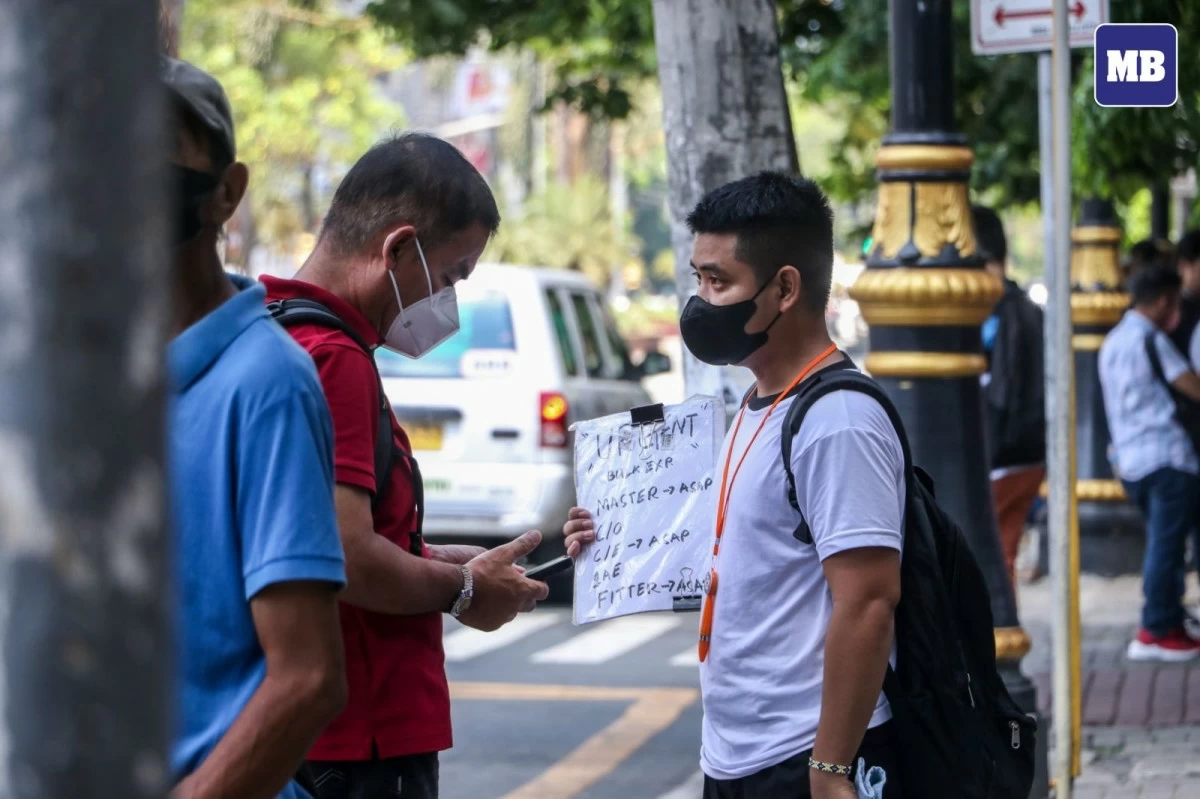
A House measure mandating barangays to come up with their list of skilled workers was approved at the committee level on Wednesday, Sept. 10.
House Bill (HB) No. 481 or the proposed Barangay Skilled Workers Registry Act, authored by Pasig lone district Rep. Roman Romulo, was unanimously approved during a House Committee on Labor and Employment hearing upon a motion by TRABAHO Party-list Rep. Johanne Monique Bautista.
Although there are already existing lists of individuals ready to be employed under the Public Employment Service Office (PESO), Romulo, during the hearing, highlighted the importance of a barangay-based registry.
"Yung PESO has been doing a good job. Pero aminin natin ang totoo, 'yung PESO usually po nandyan 'yan sa city hall. Ang gusto natin matulungan dito ay 'yung mga mamamayan na tubero, karpintero, na sa totoo, minsan kahit dito sa urban centers ay nag-aalinlangan po silang pumunta sa city hall (The PESO has been doing a good job. But let's be honest, PESO is located at the city halls. But the people who we really want to help are the ordinary ones, such as plumbers and carpenters, who hesitate to go even to city halls)," Romulo said.
"Binababa po natin per barangay. Gusto natin hindi maging imposing doon sa pangkarinawang tao...at sila rin po (So we're bringing it down to the barangay level. We don't want the list to look imposing to ordinary individuals, and so even) they can take pride of the fact na narerecognize ang kanilang skilled work," he added.
Arturo Guerrero III of the Philippine Chamber of Commerce and Industry (PCCI) expressed his support for Romulo's bill, which he claimed would establish a structured system for identifying and accessing skilled workers’ services within barangays.
Guerrero says the measure promotes local employment, safeguards against fraudulent transactions, and strengthens grassroots economic activity. He says this ultimately empowers both households and workers.
Romulo expressed his gratitude for the support received by the bill. He admitted to the panel that he had consistently been filing the it since the 15th Congress.
While it was approved on third reading during both the 18th and 19th Congresses, the measure failed to become a law due to the absence of a Senate counterpart.