






Manila Bulletin
 Business
Trade & Industry
Amended investors' lease law to unlock Philippines' investment potential—FFCCCII
Business
Trade & Industry
Amended investors' lease law to unlock Philippines' investment potential—FFCCCII
Business
Trade & Industry
Amended investors' lease law to unlock Philippines' investment potential—FFCCCII
Amended investors' lease law to unlock Philippines' investment potential—FFCCCII
Published Sep 10, 2025 11:04 am


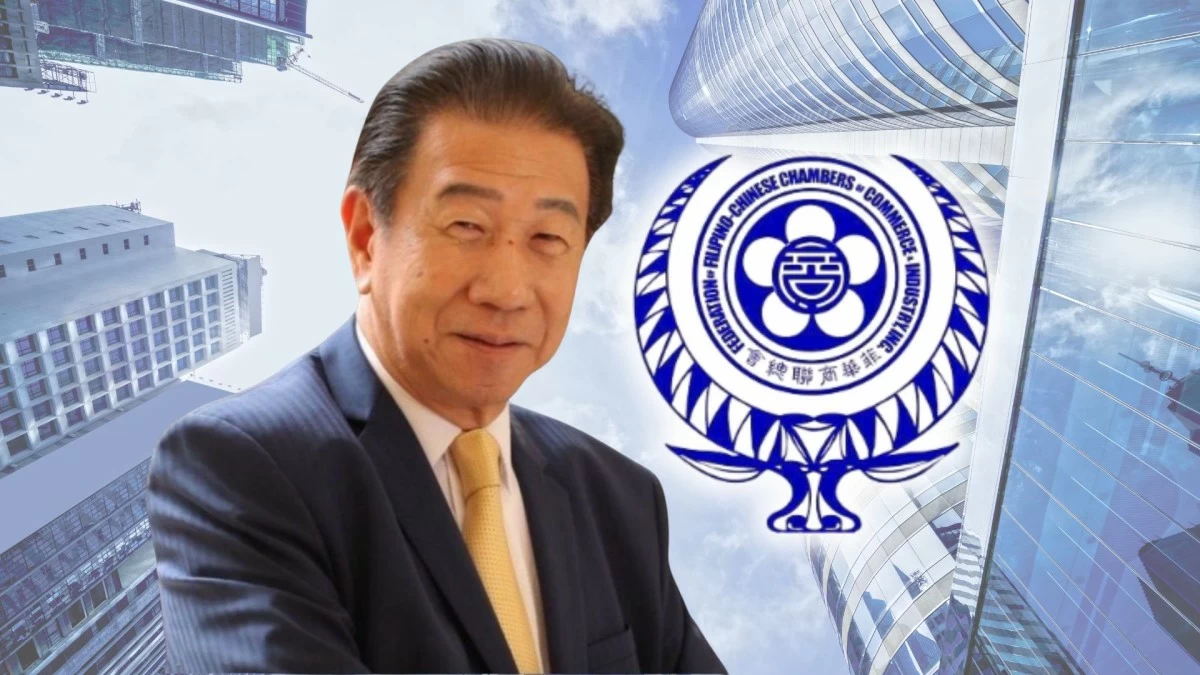
The Federation of Filipino Chinese Chambers of Commerce and Industry Inc. (FFCCCII) is expecting the Philippines to bring in more foreign investments with the newly signed law extending long-term lease contracts.
In a statement, FFCCCII said it welcomes the passage of Republic Act (RA) No. 12252, which amends the Investors’ Lease Act.
The new law extends the maximum lease period for private lands to foreign investors to up to 99 years, replacing the previous rule of 50 years and a one-time renewal of up to 25 years.
FFCCCII, which comprises over 170 business and trade associations, said this reform enhances the Philippines’ global competitiveness by signaling that it is “open for business.”
“As longstanding advocates for this measure, FFCCCII believes it will significantly attract foreign direct investments (FDIs) crucial for robust, inclusive economic growth,” the group said.
FFCCCII earlier urged President Ferdinand “Bongbong” Marcos Jr. to approve the measure given its transformative potential in unlocking new economic opportunities for the country.
The group said extending the lease period to 99 years would provide “stability and confidence” for investors looking to expand in the country.
It noted that the potential influx of foreign capital could compel the country to “claim its place as Asia’s next growth titan.”
To continue the strong momentum, FFCCCII is calling for continued collaboration with the government to further push for investor-friendly reforms.
“We need to foster a more dynamic Philippine investment climate and welcoming more visitors as tourists, so we can build a stronger, more prosperous future for all Filipinos,” it said.
The Federation of Philippine Industries (FPI) said earlier that the Amended Investors’ Lease Act positions the country as a serious player in attracting long-term foreign investments.
The industry group representing local manufacturers and producers is pushing the government to ensure that safeguards are in place to protect domestic industries.