






Manila Bulletin
 Technews
Fit for the Race, Built for Life? A 3-Month Review of the Xiaomi Smart Band 10
Technews
Fit for the Race, Built for Life? A 3-Month Review of the Xiaomi Smart Band 10
Technews
Fit for the Race, Built for Life? A 3-Month Review of the Xiaomi Smart Band 10
Fit for the Race, Built for Life? A 3-Month Review of the Xiaomi Smart Band 10
Published Sep 9, 2025 11:03 am


Three months ago, Xiaomi introduced a new addition to the smartwatch market: the Xiaomi Smart Band 10. I got to review the Xiaomi Smart Band 10, testing its core specifications and developing some of my favorite features. With the recently concluded Xiaomi Pop Run 2025 and having put the smartwatch through its paces for the last three months, it felt like a good time to write an update on how this wearable holds up in regular use in the real world.
The Xiaomi Pop Run, held at Filinvest City last August 30, brought together 3,500 runners for 5KM, 10KM, and a newly introduced 21KM categories. Race kits, medals, and prizes were awarded to participants. There was even an Expo Booth where attendees could test the band’s advanced tracking features and see firsthand how the device fits into a serious fitness routine. It was a major showcase for the Xiaomi Smart Band 10.
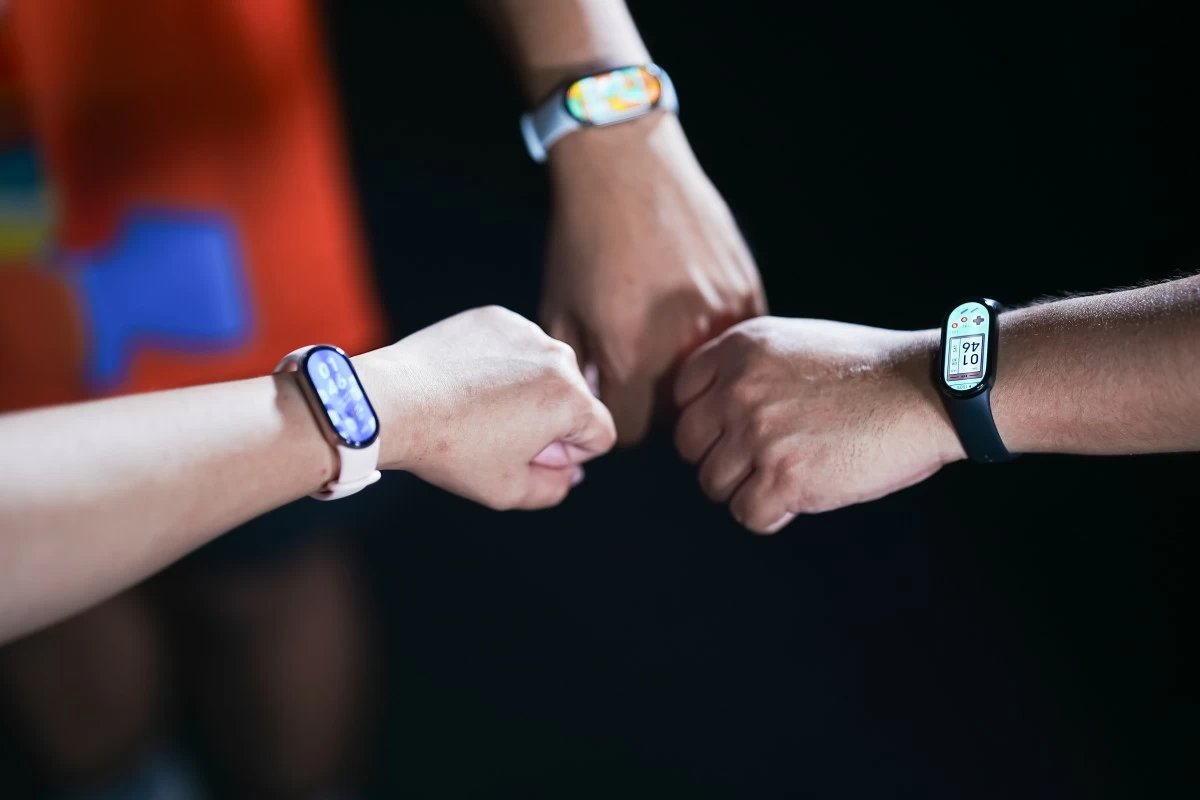
The Xiaomi Pop Run 2025 also doubled as the official launch of the Xiaomi Smart Band 10, the brand’s latest stylish fitness wearable (Photo by Xiaomi Philippines)
Now that I’ve run, worked out, and lived with the Xiaomi Smart Band 10 for three months, I have a sense of what it can do for someone like me. At just P2,499, the Xiaomi Smart Band 10 strikes the perfect balance between function and cost. It’s the ideal choice for people who want a reliable device without having to shell out a lot of money for a fitness watch.
Style
The band’s design— the symmetrical ultra-thin bezels and customizable straps and watch faces— is undeniably stylish. It goes with just about any outfit I throw on. I have the Mystic Rose model with the light pink straps, and its dainty look matches everything from my running fits to my going-out clothes. I love that its light color pairs seamlessly with my preference for bold shades, like a bright red running top, without clashing. There are several color options for the band: Midnight Black, Glacier Silver, Pearl White, and Mystic Rose. There’s also a wide range of replacement straps that come in various materials. No matter how bright or subtle your outfits are, the band will fit your personal style.
Comfort
I have run, swam, skated, and played all sorts of sports with it on. It feels light on the wrist, almost as if it’s not there. It also doesn’t cause any irritation or marks, even with constant use. While I like using the band to log my exercise routines, I also like tracking my sleep with it. The lightweight design makes it easy to forget that I have it on throughout the night. It has also given me useful insights into my sleeping patterns, motivating me to actively work on improving my sleep schedule. This sounds trivial, but it’s a crucial detail for a device that is worn almost 24/7.
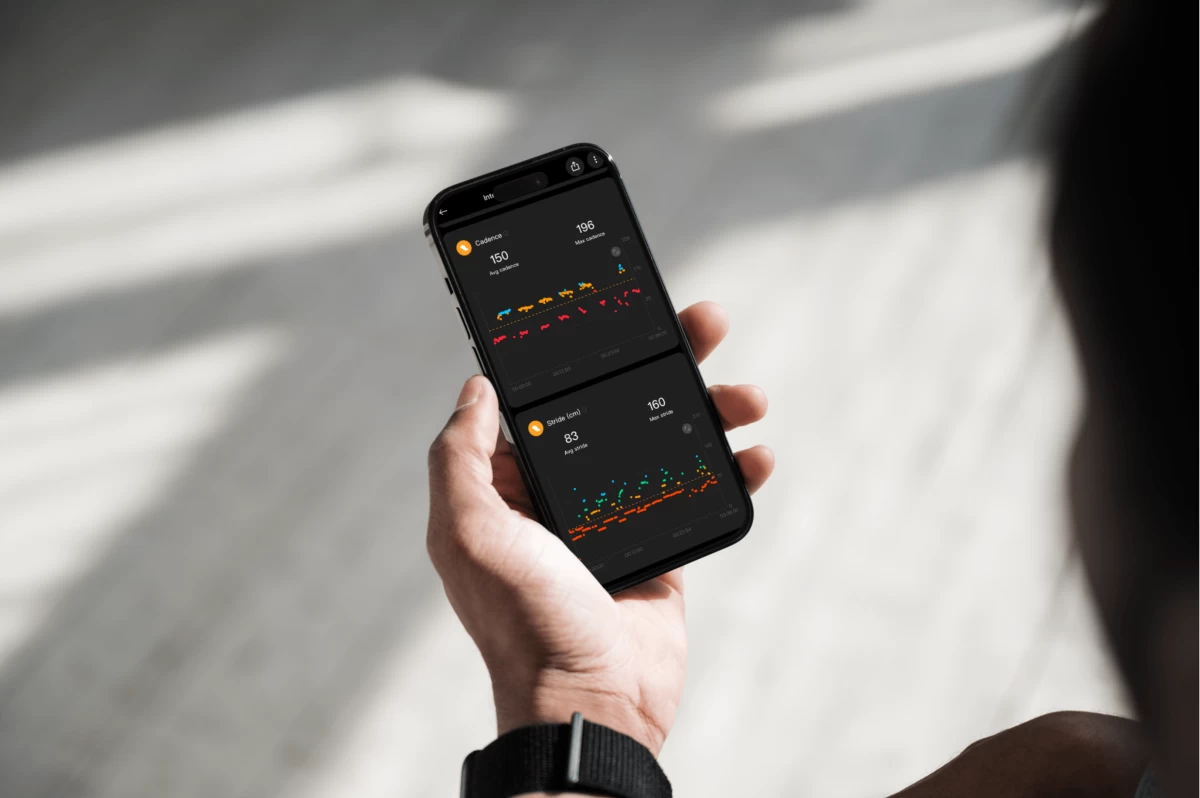
My Run Stats from the Mi Fitness App
Run Tracking
The band’s built-in running courses are something I have been exploring and enjoying a lot. The detailed data it tracks goes far beyond the basics. In addition to workout time, calories burned, pace, and heart rate, the band monitors cadence and stride— two metrics often overlooked by other wearables. Cadence refers to the number of steps you take per minute while running or walking, while stride length refers to the distance between your feet before and after they land when you are running or walking. Both cadence and stride are vital for improving running form and optimizing performance, so the ability to track them is a significant advantage for any runner. This level of detail confirms that the band is more than just a simple step counter; it’s a serious training tool (and a very helpful one at that).
Battery
While the initial core specifications claimed up to 21 days on a single charge, my personal experience has shown a battery life of about 16 days. I would like to note that this difference is likely due to my use of additional parameters like tracking my sleeping noise and breathing pattern, which are more power-intensive. Despite this, a 16-day battery life is still exceptional.
The energy at the Xiaomi Pop Run was electric. Tomi Adrias, Xiaomi Philippines’ Head of Marketing, shared that the Xiaomi Pop Run is “more than just a race; it’s a celebration of a healthy and active lifestyle that’s accessible to everyone.” The event truly showed there is a community fired up and inspired by this watch, with runners capturing their milestones at the colorful photo walls and a palpable sense of post-race camaraderie. The Pop Run highlighted that the band’s ability to "fit in style" isn't just a tagline; it’s a core part of its functionality, proving that this is a piece of technology people can seamlessly integrate into their daily lives.
If you’ve already started your running journey and are looking for a smartwatch to help you along, or if you’re just about to explore a more active lifestyle, the Xiaomi Smart Band 10 might be exactly what you need. My three-month experience confirms that it’s a fantastic entry point for anyone serious about improving their fitness without a heavy financial commitment. It provides a perfect balance of features, durability, and cost— a compelling choice for anyone ready to get moving.