







Volunteerism in the eye of the storm
How volunteering transforms communities—and volunteers themselves
Published Sep 8, 2025 02:08 pm


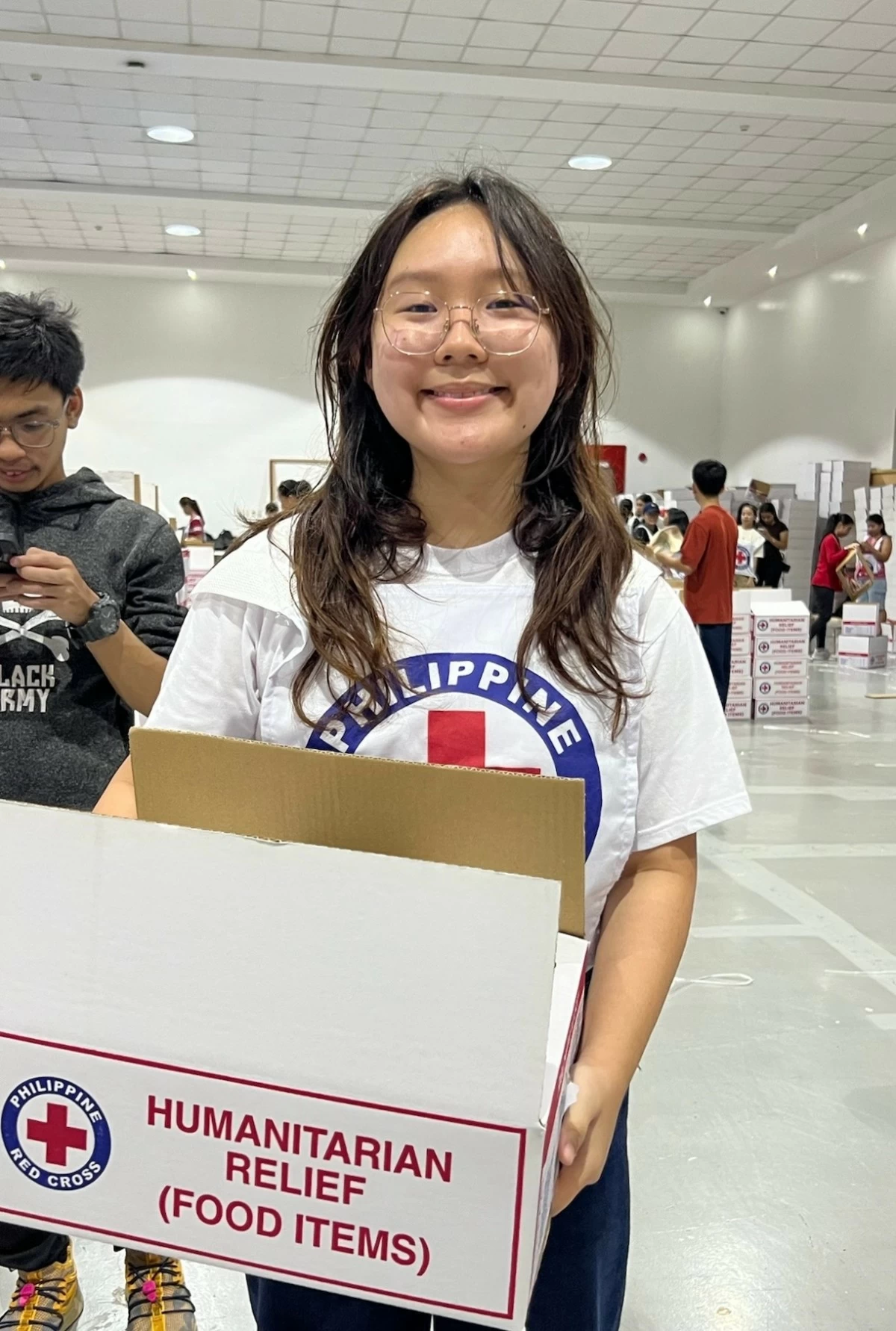
By Angeline Faustino, 19
First year college
De La Salle University
A few weeks ago, the Philippines was battered by multiple typhoons, one after another, leaving little room for communities to recover before the next wave hit. We saw once again the heartbreaking images of families making their way through chest-deep floodwater, makeshift boats created from refrigerators or wooden doors, and homes stripped bare by strong winds and heavy rain. Their furniture floating away again, their lives disrupted again and again. For those watching from the safety of their four walls, the destruction appeared only as flashes on a TV screen or endless posts on social media. But for many, it was not just another news story—it was their lived reality.
Behind every image and video footage of flooded homes or families cramped in evacuation centers are years of repeated loss and interrupted livelihoods. These are not isolated incidents. They are symptoms of deeper systemic gaps in infrastructure, urban planning, and disaster preparedness. Addressing this reality means moving beyond the cycle of relief and rebuilding, toward a future where communities are equipped, protected, and no longer forced to start over every time the skies turn dark.
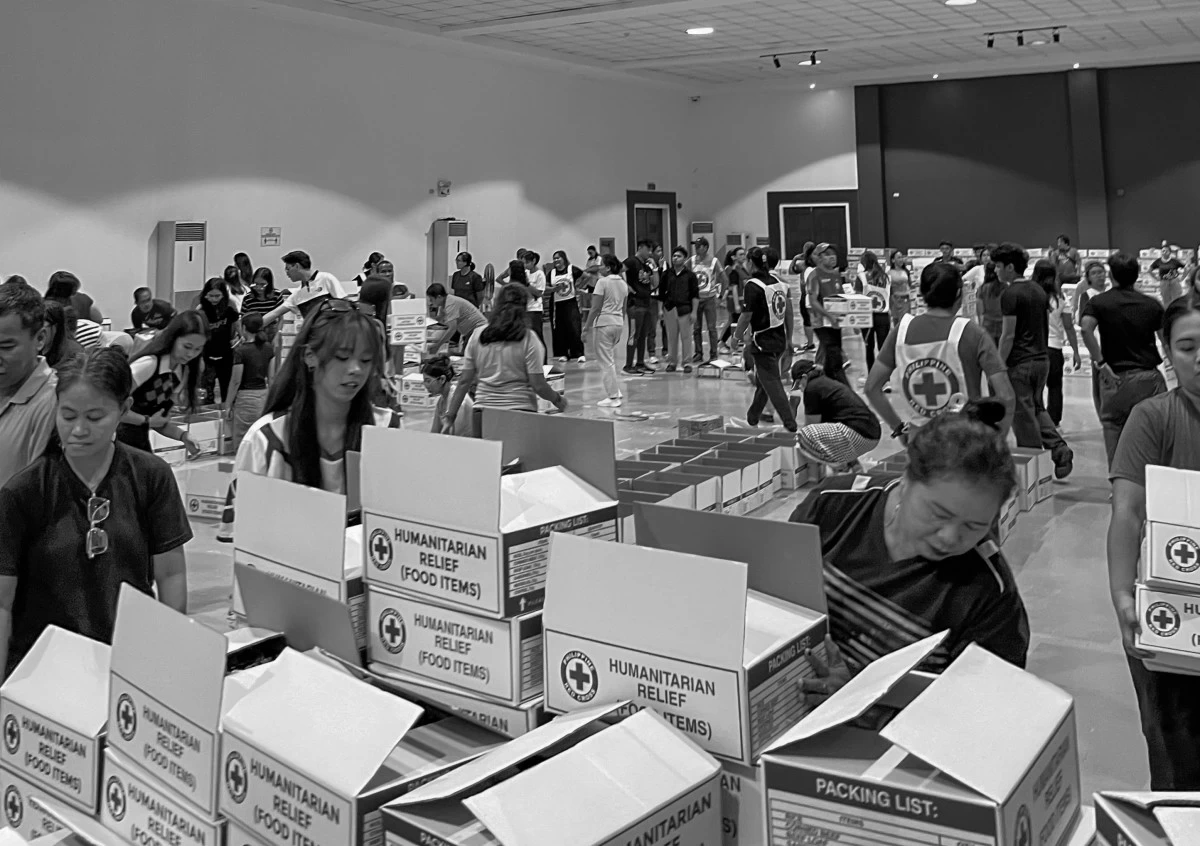
I found myself asking, What can I do? As if in response, a Facebook post appeared on my feed: Call for Volunteers for Relief Operations. The next day, I found myself walking into the Red Cross headquarters, the air thick with the smell of rice sacks and canned goods, the sound of tape being pulled and boxes being sealed. Volunteers, most of them seemed strangers to one another, were already working hard, sleeves rolled up and backs bent down, filling boxes with goods. What struck me wasn’t just the speed at which they worked, but the unspoken rhythm we fell into as we went by. We talked to each other, not to know one another’s names but to make the work more efficient, a repetition of “Pasa mo ‘yan dito,” “Kuya patulong naman buhatin itong box.”
In those moments, it didn’t matter if we came from different cities, schools, or walks of life. We were simply united by the urgency to help. We didn’t know each other’s names, but we knew each other’s purpose. That day, I witnessed the quiet strength of Filipinos who refuse to rest but decide to reach out. Strength that moves strangers to become a team in an instant. Strength that, even in times of disaster, chooses to give rather than to retreat from the comforts of their home.
Volunteering will not erase the root causes of disasters, but it can change the way you see them and the people living through them. It strips away the distance between “those affected” and “those watching,” replacing it with real faces, real conversations, and the thought of a relief pack you know will feed a family tonight. It’s not simply about giving your time. It's about standing in solidarity, even for a few hours, with communities that bear the impact of the storms we all hear about.
So here’s my challenge for you: volunteer, just once if you have never done so. Walk into that repacking center, carry those boxes, and feel the energy of strangers working side by side for people they’ve never met. Volunteerism does not always have to be during times of disaster. It can be a steady, intentional way to give back to our community, breaking the barrier between comfort and reality.

Yes, you will leave tired, maybe with sore arms and aching legs, but you will also leave with a full heart. Understanding that even in a system that should be doing more, our hands, our hours, and our presence can still make a difference. And sometimes, the difference begins with showing up. We would find that the act of showing up, whether it’s for relief work, tutoring children, or planting trees, changes us as much as it helps others. It allows us to witness moments we would never see from a distance: the coordination of hands passing goods down a line, a child’s smile when handed a warm meal, or the way a tired volunteer still manages to crack a joke to keep spirits high. These moments make volunteering stop from being merely a charitable act and become a lived experience of connection, effort, and shared purpose. You might arrive thinking you’re there to give, but you will leave realizing you’ve also gained perspective, empathy, and a renewed sense of responsibility to do more.
Angeline Faustino, 19, is currently in her first year at De La Salle University, pursuing Early Childhood Education—a path rooted in her love for teaching young children, a passion born out of volunteerism.
‘Voices’ is Manila Bulletin Lifestyle’s dedicated space for young writers and future journalists as they talk about the topics that matter to their generation—from pop culture and social trends to mental health, education, and everything in between.
If you have an article you want to publish, send your submissions to [email protected] with the subject line—Voices: (Article Title)—or send us a DM @manilabulletinlifestyle on Instagram. We can’t wait to read your stories!