






Manila Bulletin
 Opinion
Unlocking the potential of agrarian reform communities through multi-stakeholder action
Opinion
Unlocking the potential of agrarian reform communities through multi-stakeholder action
Opinion
Unlocking the potential of agrarian reform communities through multi-stakeholder action
Unlocking the potential of agrarian reform communities through multi-stakeholder action
Published Sep 8, 2025 12:05 am
|
Updated Sep 7, 2025 04:02 pm


FROM THE MARGINS
A few weeks ago, the Philippine Statistics Authority released data showing that agriculture’s share in the country’s GDP has fallen to less than 10 percent, even as more than a quarter of Filipinos depend on farming and fishing for their livelihoods. This paradox — that the sector feeding the nation remains among the poorest and most vulnerable — underscores the urgent need to support agrarian reform communities (ARCs) and farmers’ cooperatives.
It was against this backdrop that I joined the South Bondoc Peninsula Stakeholder Meeting last Aug. 26, 2025. Organized by the Peace and Equity Foundation (PEF) and the Kilusan para sa Repormang Agraryo at Katarunangang Panlipunan (KATARUNGAN), the gathering brought together farmers’ organizations, cooperatives, microfinance institutions, development organizations, and government agencies to map out a shared vision for farmers and communities in Quezon’s South Bondoc Peninsula.
For me, it was also a homecoming of sorts. I reconnected with former colleagues from the Philippine Business for Social Progress, including Ernesto Garilao, our former Executive Director and once Secretary of Agrarian Reform. Also present were development stalwarts like Roberto Calingo, PEF Executive Director; Danny Carranza, KATARUNGAN Secretary-General; Rafael Lopa, ASA Philippines Foundation President; Dolores Torres, CARD Bank Vice-Chairperson; and Lorenze Bañez, CARD NGO Chairperson. I was also pleased to meet Quezon Federation and Union of Cooperatives (QFUC) CEO Randy Fajardo and the representatives of several farmers’ groups and cooperatives: MAMACO, Nasalaan, Kasama sa Pag-unlad, Amuntay, Small Farmers, Pandan, Cabulihan Tala, San Vicente Farmers, Abuyon, SAMASANVITA, and SAMAMALA.
Seeing leaders from across organizations come together reminded me of the enduring spirit of collaboration that once animated the agrarian reform movement.
History of struggle
The South Bondoc Peninsula has long been a frontline of agrarian struggles. Beginning in 1995, KATARUNGAN organized landless and smallholder farmers across five municipalities — San Narciso, San Andres, San Francisco, Buenavista, and Mulanay. By 2003, the Department of Agrarian Reform (DAR) had distributed more than 28,000 hectares of land in the area, but the larger challenge of ensuring farmers’ prosperity remains unfinished.
Cooperatives and farmers’ associations in the peninsula continue to grapple with weak governance, lack of capital, limited access to markets, and the absence of essential services like water, health, and education. These are not just technical issues — they cut deep into the daily lives of families who till the soil yet struggle to put food on the table.
A new opportunity has emerged through the Coconut Farmers and Industry Development Program (CFIDP), the government’s flagship initiative funded by the long-awaited coconut levy trust fund. Bondoc Peninsula has been chosen as a pilot convergence area for Luzon, aligning directly with the ARCs. This initiative could open doors for farmers to benefit from the support of agencies such as the Philippine Coconut Authority (PCA), Department of Agriculture (DA), Cooperative Development Authority (CDA), and Land Bank of the Philippines. But these opportunities will only bear fruit if local organizations are ready and capable.
Concrete commitments
At the stakeholder meeting, participants identified three urgent priorities: strengthening cooperative governance, diversifying livelihoods, and expanding access to basic services. Steps to ensure sustainable livelihoods and enterprises of the ARC cooperatives were discussed, and development organizations explored possible alignments of programs and services.
Plans were not abstract — organizations pledged concrete commitments:
• PEF and QFUC, in coordination with CDA, will provide training on governance, financial management, and compliance while developing a South Bondoc Peninsula Master Plan aligned with CFIDP.
• ASA Philippines Foundation committed to support the planting of 60 hectares of cacao with ARC members, diversifying income sources beyond coconuts.
• CARD expressed interest in promoting eco-tourism through Hijos Tours, while also offering microfinance and social protection services, especially for women.
• KATARUNGAN will lead farm planning and link with DA, PhilMech, PCA, and DTI to secure seeds, farm machinery, and marketing support. CDA will complement these with livestock distribution.
• The cooperatives committed to actively implement their livelihood plans and social development projects.
These are not small steps. They represent a holistic approach – integrating livelihood, health, education, and capacity-building.
Why support matters
For too long, farmers have been left to fend for themselves after being awarded land. Without access to capital, technology, or organized support systems, many have been forced to lease or sell their lands, undermining the very spirit of agrarian reform. Strengthening cooperatives and ARC organizations is our best defense against this cycle of disempowerment.
Moreover, climate change, food insecurity, and rural poverty make the case for renewed investment in farmer communities even more urgent. The South Bondoc Peninsula, with its rich agricultural potential and history of farmer-led organizing, can serve as a model for multi-stakeholder collaboration in agrarian reform communities.
If we rally behind our farmers now — by strengthening their cooperatives, aligning government resources, and supporting their enterprises — we can transform agrarian reform from unfinished business into a foundation for inclusive rural prosperity.
* * *
" Farming is a profession of hope." – Brian Brett
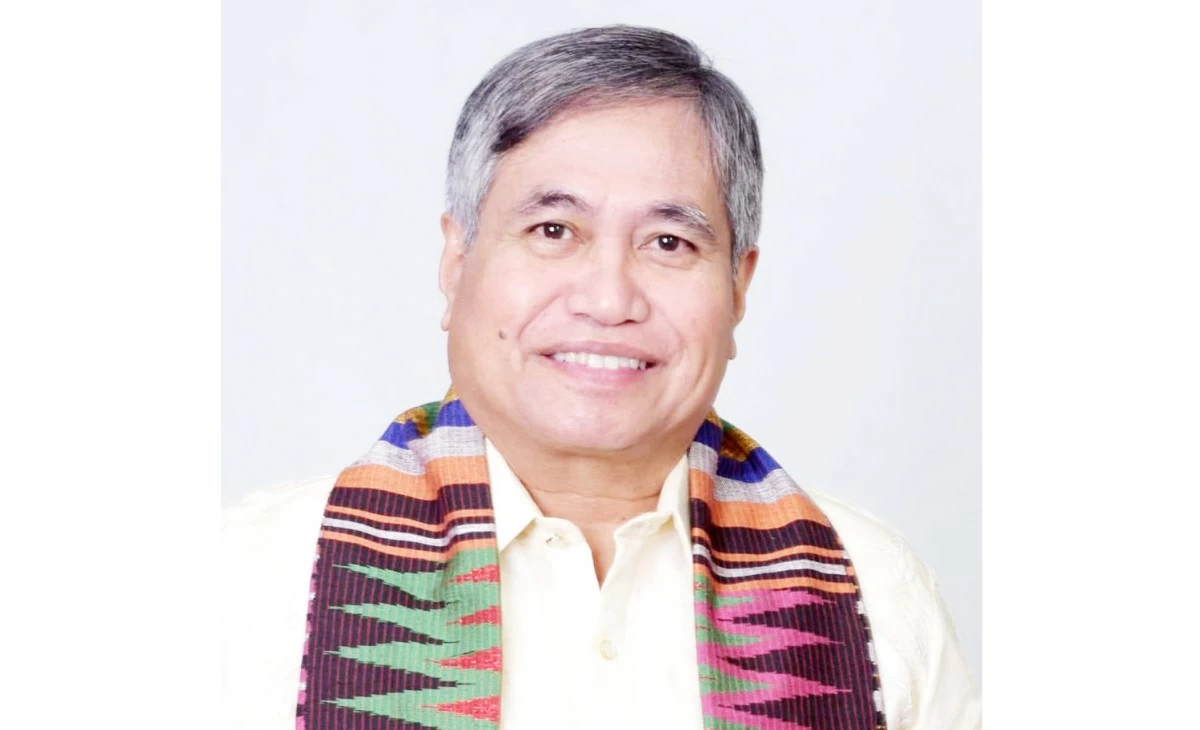
(Dr. Jaime Aristotle B. Alip is a poverty eradication advocate. He is the founder of the Center for Agriculture and Rural Development Mutually-Reinforcing Institutions (CARD MRI), a group of 23 organizations that provide social development services to eight million economically-disadvantaged Filipinos and insure more than 27 million nationwide.)