






Manila Bulletin
 World
Prince Harry visits UK, fueling speculation about meeting with king as relations appear to thaw
World
Prince Harry visits UK, fueling speculation about meeting with king as relations appear to thaw
World
Prince Harry visits UK, fueling speculation about meeting with king as relations appear to thaw
Prince Harry visits UK, fueling speculation about meeting with king as relations appear to thaw
Published Sep 8, 2025 12:14 pm


LONDON — Prince Harry will make a flying visit to his U.K.-based charities this week, leading to a flurry of speculation about whether he will meet with his father, King Charles III, for the first time in 19 months.
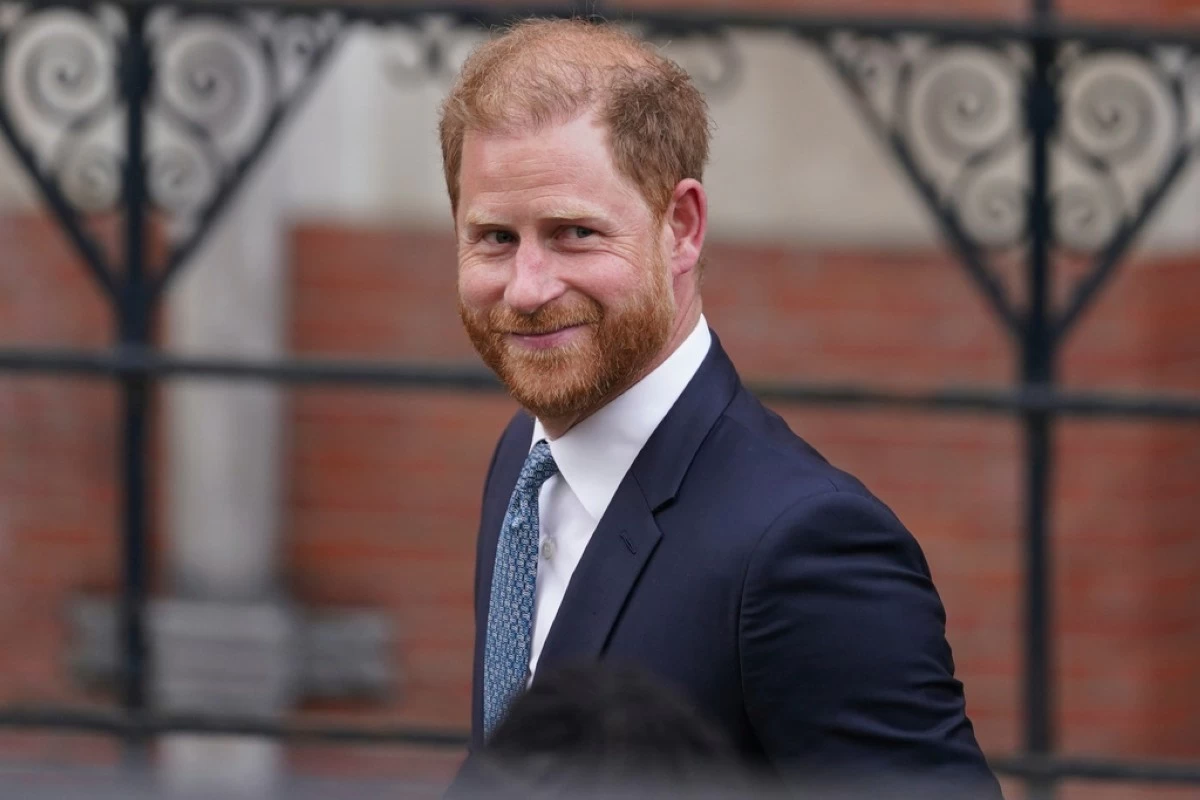
FILE - Britain's Prince Harry smiles towards the media as he leaves the Royal Courts of Justice in London, Tuesday, April 8, 2025. (AP Photo/Alberto Pezzali, File)
Amid signs of a thaw in the frigid relationship between Harry and the rest of the royal family, British media suggest that the prince’s trip to London on Monday's third anniversary of the death of Queen Elizabeth II provides an opening for a long-overdue rapprochement between Charles, 76, and his estranged son.
Harry has had little contact with his father and elder brother, Prince William, since he and his wife, the former Meghan Markle, gave up royal duties and moved to California in 2020. The relationship became even frostier after the couple bared their grievances with Buckingham Palace in a tell-all interview with Oprah Winfrey, a Netflix series and Harry’s memoir, “Spare.”
A frosty relationship
The last time Harry and Charles met was in February 2024, when the prince flew to London after receiving news that his father had been diagnosed with cancer. Harry spent about 45 minutes with Charles before the king flew to his Sandringham country estate to recuperate from his treatment.
Harry was last in London in April, when the Court of Appeal rejected his bid to restore a police protection detail that was canceled after he stopped being a working royal. Charles was on a state visit to Italy at the time, so a meeting was impossible.
That case was itself an impediment to improved relations because it involved Harry criticizing the king’s government in the courts. But once it was over, change became possible.
Immediately after the case ended, Harry said he would “love reconciliation with my family.”
“There’s no point in continuing to fight anymore,” he told the BBC on the day the court case was resolved. “Life is precious. I don’t know how much longer my father has.”
Despite that olive branch, Harry struck a combative tone that might torpedo hopes of repairing the family breach. The prince repeatedly said that the decision to withdraw his security was made at the direction of the royal household in an effort to control him and his wife while putting their safety at risk.
“What I’m struggling to forgive, and what I will probably always struggle to forgive, is the decision that was made in 2020 that affects my every single day and that is knowingly putting me and my family in harm’s way,” Harry said.
A change of tone
But with the lawsuit out of the way, the mood music coming from Charles and Harry’s supporters seemed to change.
In July, the new team handling Harry and Meghan’s communications, headed by Los Angeles-based Meredith Maines, was seen on the balcony of a private members' club in London speaking with Tobyn Andreae, the king’s press representative. The Mail on Sunday was on hand to snap a photo of what the paper called: “The secret Harry peace summit.”
Regardless of who tipped off the paper, it showed a change of tone since the meeting wouldn’t have happened if the so-called principals hadn’t given their tacit consent.
Celebrating the bravery of ill children
And now comes Harry’s appearance at the WellChild Awards on Monday night in London.
The event, which celebrates the bravery of seriously ill children and those who care for them, is sponsored by a charity Harry has long supported. It is a reminder that not so long ago, Harry was one of the star attractions of the royal family’s effort to reach out to younger, more diverse Britons.
“For 20 years these Awards have highlighted the courage of young people living with complex health needs and shone a light on the devoted caregivers — family and professionals — who support them every step of the way,’’ the prince said in a statement put out by the charity. “Their stories remind us of the power of compassion, connection and community.”
But it will be hard to undo the damage caused by Harry and Meghan’s allegations of insensitivity, conflict and racism within the royal household.
Harry's memoir overshadows reconciliation
Harry’s explosive memoir, “Spare,” shattered the veneer of unity the royals present to the public, depicting them as scheming rivals who use a cozy relationship with the media to jockey for public favor.
It also revealed the details of private conversations, including one between the king and his sons, which was held in a graveyard in hopes of hiding it from the press.
“Please, boys,’’ Harry quotes Charles as saying. “Don’t make my final years a misery.’’
But Charles may have an incentive to let bygones be bygones.
Now approaching his 77th birthday and continuing to undergo cancer treatment, the king may want to get more time with his grandchildren, Prince Archie, 6, and Princess Lilibet, 4, who was born after her parents moved to the wealthy Southern California enclave of Montecito.
Harry put the responsibility for any rapprochement on his family.
In his interview with the BBC, Harry said he believes that you can’t have reconciliation without truth, and his lawsuit over police protection revealed the truth about his battle with the palace.
“It would be nice to have that reconciliation part now,” he said. “If they don’t want that, that’s entirely up to them.”