







Investing in literacy for competitiveness
Published Sep 8, 2025 12:05 am
|
Updated Sep 7, 2025 03:55 pm


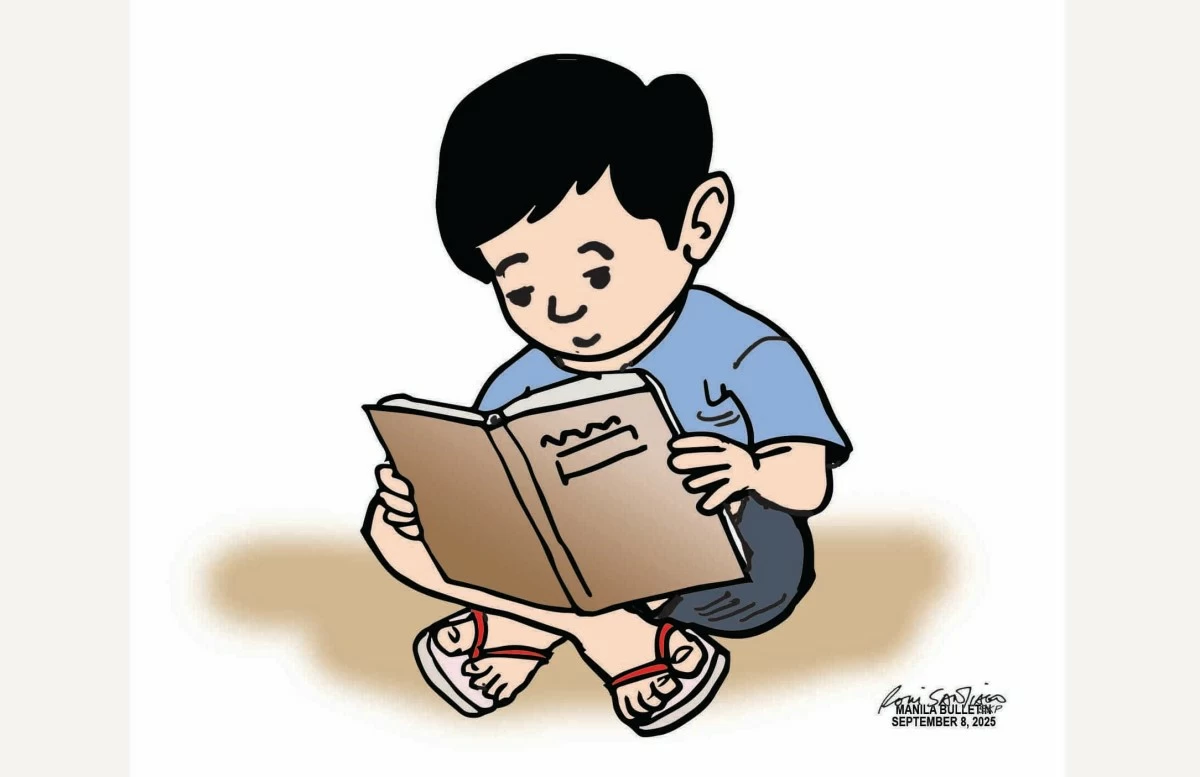
As the United Nations observes International Literacy Day today, September 8, the world sits up to take notice of an urgent reminder. Literacy, which is the ability to read, write, and comprehend, is the gateway to learning, opportunity, and empowerment. For the Philippines, it is also a sobering occasion to confront persistent challenges in basic education that continue to hinder our national competitiveness.
The country has long struggled with a perennial classroom shortage. While the Department of Education, as well as some resource-laden local governments have made strides in building new classrooms, a big gap remains. Budget constraints mean that government resources are stretched thin, leaving public-private partnerships (PPPs) as a crucial lifeline in expanding access to safe, conducive classrooms and learning spaces. Yet, without a coherent long-term program to address infrastructure needs, classroom congestion will persist, eroding the quality of instruction and the overall learning experience of Filipino children.
But the challenge extends beyond classrooms. The pandemic highlighted the importance of modern infrastructure for instruction, particularly digital tools such as laptops, reliable internet connectivity, and interactive learning platforms. Without these, students are left unprepared for a world where digital literacy is no longer optional but essential. Teachers, too, must be empowered through continuous education and training that equip them with the skills to engage young learners in an increasingly technology-driven environment. Investing in teacher development is as critical as building new schools.
The consequences of failing to act decisively are profound. International assessments, such as the Program for International Student Assessment (PISA), have shown that Filipino students lag behind many of their peers in reading, mathematics, and science. Pandemic-induced school closures only worsened this learning crisis, with literacy insufficiency growing among the most vulnerable populations. This directly impacts the Philippines’ competitiveness. A workforce unable to meet the demands of a modern economy will struggle to attract investment, create innovation, and escape cycles of poverty.
Moving forward, a broad-gauged approach is required. First, government must prioritize education in budget allocations, recognizing that classrooms, teacher training, and digital infrastructure are investments, not expenses. Second, PPPs must be strengthened, not just for physical infrastructure, but also in technology provision and teacher capacity-building. The private sector has a vested interest in developing a literate, competitive workforce and should be encouraged to partner with government in innovative ways.
Third, social protection programs must be better aligned with education. The Pantawid Pamilyang Pilipino Program (4Ps) has helped millions of children complete basic education, but many of its graduates are unable to move on to higher education due to insufficient support under the Tertiary Education Subsidy (TES). Without bridging this gap, the cycle of poverty continues, and the promise of literacy as a foundation for upward mobility is diminished.
Finally, we must adopt a whole-of-society mindset toward education. Parents, communities, civil society, and media must be engaged in promoting literacy and valuing education as a collective responsibility. Literacy cannot be left solely in the hands of teachers or the government; it must be nurtured in every home and reinforced across the social fabric.
On this International Literacy Day, the Philippines must recognize that literacy is not simply about reading words, but about enabling lives. To secure our future, we must invest more decisively in classrooms, teachers, technology, and support for learners at every stage. Only then can literacy become the true cornerstone of national competitiveness and inclusive progress.