ADVERTISEMENT

Catholic schools condemn corruption, urge transparency and accountability in government

Published Sep 8, 2025 02:01 pm
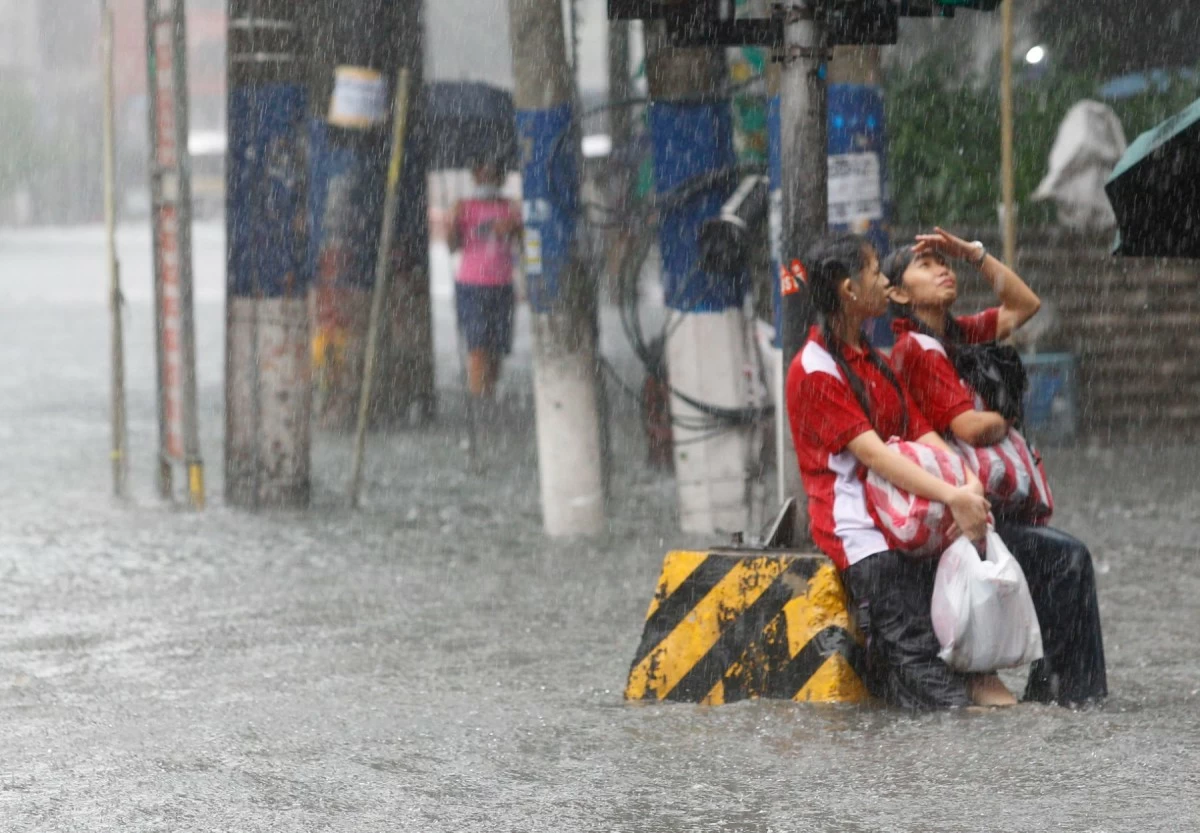
Catholic educational institutions said corruption in infrastructure projects reflects how deeply entrenched the problem is in both public and private sectors. (MARK BALMORES / Manila Bulletin / file)
Warning that graft continues to weaken institutions and harm the poor, the Catholic Educational Association of the Philippines (CEAP) on Monday, September 8, denounced widespread corruption in the country and called for stronger accountability measures in government.
In a statement, the national association of Catholic educational institutions said corruption in infrastructure projects illustrates how deeply rooted the problem has become in both public and private institutions.
“Corruption in our country is so deeply rooted that we have long numbed ourselves to it,” CEAP said. “Recent events have unleashed public outrage, with mounting evidence of how corruption in infrastructure projects is entrenched in the structures and systems of both government and the private sector,” it added.
The group cited global rankings reflecting the country’s poor standing: a -0.54 score in the World Bank’s 2023 Control of Corruption Index and a 33/100 rating from Transparency International in 2024, which placed the Philippines 114th out of 180 countries.
Proclaim hope, fight the poison of corruption
CEAP appealed to different sectors to act decisively against graft.
“This is a moment for national reflection and decisive action, for hope and for renewal, to transform our political culture: from patronage and dependence to genuine political and economic empowerment, from self-entitlement to service of the common good,” CEAP said.
The group strongly urged Congress to pass laws on whistleblower protection, campaign finance regulation, and citizen participation in monitoring projects.
CEAP also called on the Executive Branch to enforce transparency in procurement and bidding, and on the Judiciary and oversight agencies to ensure swift prosecution of anomalies and strict penalties for erring officials and contractors.
The association encouraged Filipino citizens to remain vigilant by monitoring projects, reporting irregularities, and rejecting bribery.
“To all Filipino citizens, we urge vigilance and unity: engage with public officials, monitor local projects, join community consultations, report irregularities, and refuse complicity in bribery,” CEAP said.
It also challenged the youth to use digital tools such as tracking government projects, exposing anomalies on social media, volunteering in community-based monitoring to track government projects and expose anomalies.
“We challenge you to rise as a generation of integrity: passionate, creative, and unafraid to use your digital and other skills to demand accountability and justice,” the group added.
CEAP further urged educators to strengthen schools as bastions of values and integrity. “Let us commit to forming ethical, discerning, and prophetic leaders of our nation, with consciences that are formed and informed, dedicated to loving and serving God and country,” it said.

Related Tags

CEAP statement corruption Philippines 2025 Catholic schools anti-corruption call Philippines corruption rankings 2024 CEAP urges transparency Catholic educators fight corruption
ADVERTISEMENT
.most-popular .layout-ratio{ padding-bottom: 79.13%; } @media (min-width: 768px) and (max-width: 1024px) { .widget-title { font-size: 15px !important; } }

{{ articles_filter_1561_widget.title }}

.most-popular .layout-ratio{ padding-bottom: 79.13%; } @media (min-width: 768px) and (max-width: 1024px) { .widget-title { font-size: 15px !important; } }

{{ articles_filter_1562_widget.title }}

.most-popular .layout-ratio{ padding-bottom: 79.13%; } @media (min-width: 768px) and (max-width: 1024px) { .widget-title { font-size: 15px !important; } }

{{ articles_filter_1563_widget.title }}

{{ articles_filter_1564_widget.title }}

.mb-article-details { position: relative; } .mb-article-details .article-body-preview, .mb-article-details .article-body-summary{ font-size: 17px; line-height: 30px; font-family: "Libre Caslon Text", serif; color: #000; } .mb-article-details .article-body-preview iframe , .mb-article-details .article-body-summary iframe{ width: 100%; margin: auto; } .read-more-background { background: linear-gradient(180deg, color(display-p3 1.000 1.000 1.000 / 0) 13.75%, color(display-p3 1.000 1.000 1.000 / 0.8) 30.79%, color(display-p3 1.000 1.000 1.000) 72.5%); position: absolute; height: 200px; width: 100%; bottom: 0; display: flex; justify-content: center; align-items: center; padding: 0; } .read-more-background a{ color: #000; } .read-more-btn { padding: 17px 45px; font-family: Inter; font-weight: 700; font-size: 18px; line-height: 16px; text-align: center; vertical-align: middle; border: 1px solid black; background-color: white; } .hidden { display: none; }
function initializeAllSwipers() { // Get all hidden inputs with cms_article_id document.querySelectorAll('[id^="cms_article_id_"]').forEach(function (input) { const cmsArticleId = input.value; const articleSelector = '#article-' + cmsArticleId + ' .body_images'; const swiperElement = document.querySelector(articleSelector); if (swiperElement && !swiperElement.classList.contains('swiper-initialized')) { new Swiper(articleSelector, { loop: true, pagination: false, navigation: { nextEl: '#article-' + cmsArticleId + ' .swiper-button-next', prevEl: '#article-' + cmsArticleId + ' .swiper-button-prev', }, }); } }); } setTimeout(initializeAllSwipers, 3000); const intersectionObserver = new IntersectionObserver( (entries) => { entries.forEach((entry) => { if (entry.isIntersecting) { const newUrl = entry.target.getAttribute("data-url"); if (newUrl) { history.pushState(null, null, newUrl); let article = entry.target; // Extract metadata const author = article.querySelector('.author-section').textContent.replace('By', '').trim(); const section = article.querySelector('.section-info ').textContent.replace(' ', ' '); const title = article.querySelector('.article-title h1').textContent; // Parse URL for Chartbeat path format const parsedUrl = new URL(newUrl, window.location.origin); const cleanUrl = parsedUrl.host + parsedUrl.pathname; // Update Chartbeat configuration if (typeof window._sf_async_config !== 'undefined') { window._sf_async_config.path = cleanUrl; window._sf_async_config.sections = section; window._sf_async_config.authors = author; } // Track virtual page view with Chartbeat if (typeof pSUPERFLY !== 'undefined' && typeof pSUPERFLY.virtualPage === 'function') { try { pSUPERFLY.virtualPage({ path: cleanUrl, title: title, sections: section, authors: author }); } catch (error) { console.error('ping error', error); } } // Optional: Update document title if (title && title !== document.title) { document.title = title; } } } }); }, { threshold: 0.1 } ); function showArticleBody(button) { const article = button.closest("article"); const summary = article.querySelector(".article-body-summary"); const body = article.querySelector(".article-body-preview"); const readMoreSection = article.querySelector(".read-more-background"); // Hide summary and read-more section summary.style.display = "none"; readMoreSection.style.display = "none"; // Show the full article body body.classList.remove("hidden"); } document.addEventListener("DOMContentLoaded", () => { let loadCount = 0; // Track how many times articles are loaded const offset = [1, 2, 3, 4, 5, 6, 7, 8, 9, 10]; // Offset values const currentUrl = window.location.pathname.substring(1); let isLoading = false; // Prevent multiple calls if (!currentUrl) { console.log("Current URL is invalid."); return; } const sentinel = document.getElementById("load-more-sentinel"); if (!sentinel) { console.log("Sentinel element not found."); return; } function isSentinelVisible() { const rect = sentinel.getBoundingClientRect(); return ( rect.top < window.innerHeight && rect.bottom >= 0 ); } function onScroll() { if (isLoading) return; if (isSentinelVisible()) { if (loadCount >= offset.length) { console.log("Maximum load attempts reached."); window.removeEventListener("scroll", onScroll); return; } isLoading = true; const currentOffset = offset[loadCount]; window.loadMoreItems().then(() => { let article = document.querySelector('#widget_1690 > div:nth-last-of-type(2) article'); intersectionObserver.observe(article) loadCount++; }).catch(error => { console.error("Error loading more items:", error); }).finally(() => { isLoading = false; }); } } window.addEventListener("scroll", onScroll); });

Sign up by email to receive news.