







How to tell if your child is struggling emotionally
From mood swings to social withdrawal, here's what parents should watch out for
Published Sep 6, 2025 08:36 am


From cartoons to coming-of-age dramas, we’ve seen countless portrayals of children whose moods shift in an instant. As parents, we often think we’d know how to handle it. But in real life, are we sensitive enough to notice the subtle changes that may signal something deeper?

Elaine Rose S. Ferrer
More often than not, parents realize later than they should, simply because they are not aware of these little cues. To help shed light on the issue, Manila Bulletin Lifestyle sat down with Elaine Rose S. Ferrer, 38, a registered psychologist with over 15 years of experience in counseling and clinical work. Currently affiliated with MindCare Club, she emphasizes the importance of being present and observant when it comes to children’s emotional well-being.
Hiding struggles
Children don’t always come forward when something is wrong. “When kids start to isolate or disconnect with you or from all other people in their network, please check on them,” Elaine says. “Isolation and disconnection are signs that something’s up. There might be feelings of rejection or hopelessness going on.” She explains that these struggles may stem from unexpressed desires, fears, worries, or even guilt and shame.
On the other end of the spectrum are children who seem to have everything under control. “Another possible sign is when children drown themselves with so many activities—is this typical of your child, or is this something new? They might be distracting themselves,” she adds.
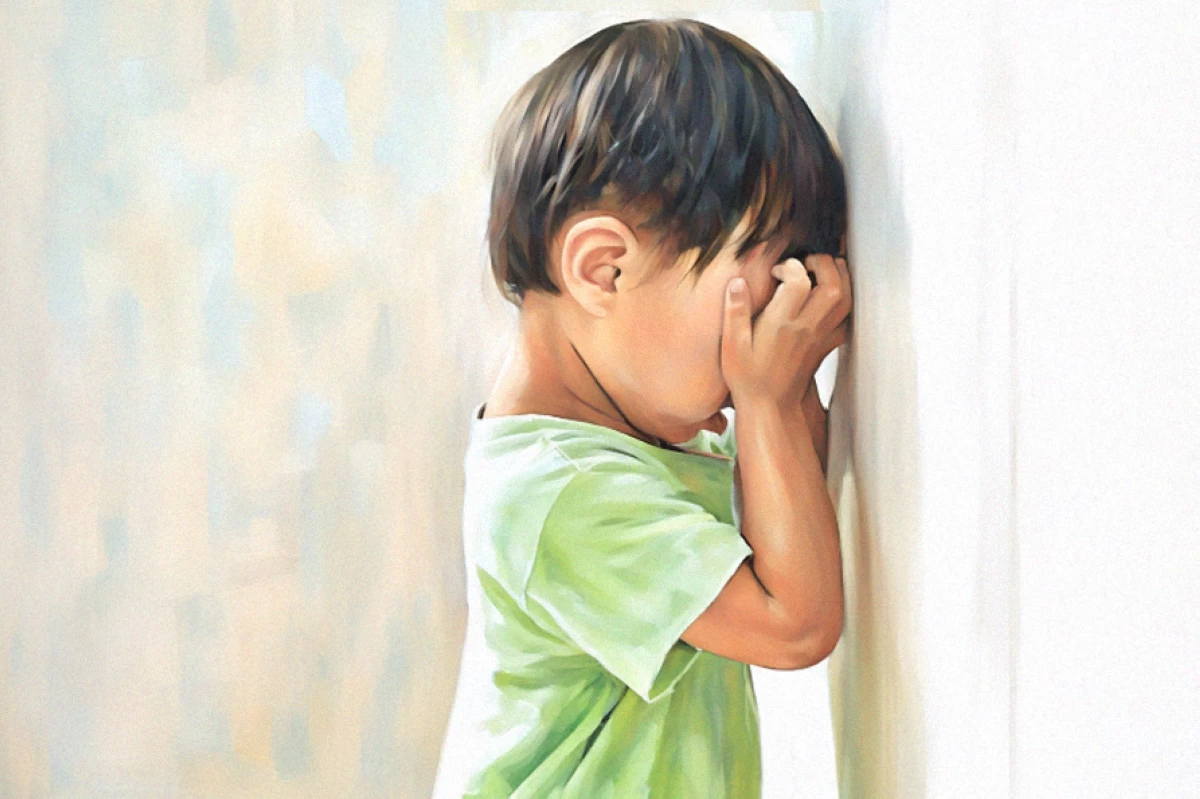
What to watch out for
Changes in behavior, sleep, appetite, and social interaction can be early warning signs that a child is struggling. One of the most common cues is physical manifestations of stress, such as headaches or stomach aches, without a clear medical cause.
Withdrawal from family activities and hobbies may also raise concern. “They might not enjoy the things they usually do and end up locking themselves up or isolating and doomscrolling. If they are dismissive of what usually brings them excitement or happiness, that could be a red flag,” says Elaine.
Too little or too much sleep, along with recurring nightmares, can signal that something is bothering them. “Checking our children’s sleeping habits can be tricky, especially if they have their own room,” she says. “When it comes to sleep, observe their energy levels. Are they as perky as they used to be? Do they suddenly have a spike or drop in energy? Are they sleeping too much or too little? Do they have nightmares or night tremors? Or suddenly need you beside them at bedtime?”
The same goes when it comes to food consumption. Eating less or eating too much is also a sign.
Finally, Elaine suggests paying attention to peer relationships. She reminds, “As parents, you have the right to do a background check, but not in a nosy way. Ask your children about their friends. Maybe inviting their friends over for playtime or merienda wouldn’t hurt.”

Start the conversation
If you notice any of these signs, it’s time to reach out to your child with care. “I would always say that ‘kumustahan’ (checking in on them) goes a long way. It’s an umbrella term for—how are you, I care for you, I see you, and I notice you,” reassures Elaine.
Before starting the conversation, create a safe space where your child feels secure enough to open up. “This is the most important thing—to make your child feel safe and loved. It provides not only physical safety but also psychological safety, where trust and respect can grow. It also helps lessen feelings of fear, judgment, rejection, or abandonment,” she explains.
She also points out that kids and teens are still learning how to manage emotions. “A person’s full brain maturity happens at around 25 years of age, so children and teenagers are expected to be more emotional and have difficulties navigating their feelings. As parents or adults, what we can share with them is our concern and calmness—teaching and mirroring how to manage or regulate emotions.”
When to seek help
Even with the best intentions, parents may reach a point where their child’s struggles feel too heavy to handle alone. “Tiny shifts are worth paying attention to. Take your children seriously—if they throw shades of pain, death, and harm—all the more, consult an expert to help you flesh out this matter. Allow yourself to be guided as well,” reminds Elaine.
When seeking professional help, she suggests including your child in the plans to reach out to experts for both the child and the parents. She adds, “Explain to them what they’ll be going through. They can think of it as a mental health check-up.” As for parents, Elaine advises psychosocial coaching. “This allows them a better understanding of what their children are going through.”
At the end of the day, being present, observant, and compassionate makes the biggest difference. Spotting the silent signs early, opening the door for honest conversations, and knowing when to seek help can ease a child’s burden. We can’t shield our kids from every struggle, but we can be their steady anchor, reminding them they are never alone.