







How parents nurture trust and emotional safety at home
Three moms reveal the everyday rituals that make children feel secure
Published Sep 6, 2025 08:30 am



It’s not always easy to create an environment where children feel safe to be themselves, but small, intentional acts can make all the difference. In this forum, three moms—Kit Malvar Llamas, Libni Fortuna-Amatong, and Krys S. Policarpio—open up about the simple ways they’re raising their children with trust and emotional safety.
From turning mealtimes into moments of reconnection to practicing playful check-ins, long hugs, and even heartfelt apologies, their stories show that what truly matters is creating safe spaces where kids feel heard, loved, and supported.

Kit Malvar Llamas
Connect before correct
I’ll be honest—many of my old parenting lines came from fear. I’d say, “It’s okay, they’re just jealous of you,” or “Don’t eat too much, you’ll gain weight.” Other times, I’d blurt out, “Can’t you just be grateful?” or “You’ll get over it, stop being dramatic.” I thought I was protecting or toughening up my kids, but what they really heard was: your feelings and body aren’t safe here.
So I started changing small things. With food, instead of controlling, we made it playful. Before getting seconds, we check in—“Am I really hungry or just thirsty?” Sometimes we set a two-minute countdown and imagine where the food goes in our tummy. We laugh, and the pause helps us tune in without shame.
With emotions, I stopped rushing to fix. Instead of those default lines, I try, “That sounds hard. I’m here—what feels toughest for you?”
And one of our favorite practices? A one-minute hug. At first, I was the one who asked for it. Now it’s a family tradition—and we outdo each other by being the last to let go. That simple act teaches safety more than any lecture could.
I’ve learned I’m not here to fix my kids. I’m here to connect before I correct. That shift changed everything at home.—Kit Malvar Llamas, chief executive officer of Conscious Alchemy, executive and conscious parent coach, mom to two children aged 18 and 14

Libni Fortuna-Amatong
Meals matter
At home, one of the most important things we do is share meals. These moments have become a daily ritual where we put our phones aside and truly reconnect—especially amid the busyness of life.
Over meals, I check in with how my children are really doing, and I also share openly about my own day, what I’m celebrating, what I’ve learned, and even the challenges I face. I want them to see that vulnerability is not weakness but a natural part of life.
I’m also very intentional about how I respond to their experiences. When they achieve something, no matter how small, I exaggerate my celebrations so they feel seen, valued, and proud of themselves. At the same time, when certain behaviors need to be addressed, I don’t just correct them; I take time to explain why, making sure they understand the impact of their actions. This helps them grow without feeling shamed or judged.
Most importantly, I listen with genuine curiosity. I don’t rush to advise unless they ask, I hold space for their voices and emotions. In our home, what makes my kids feel safe is knowing I’m present, honest, loving, and even funny with them in everyday moments.—Libni Fortuna-Amatong, life coach, mom to two children ages 8 and 10
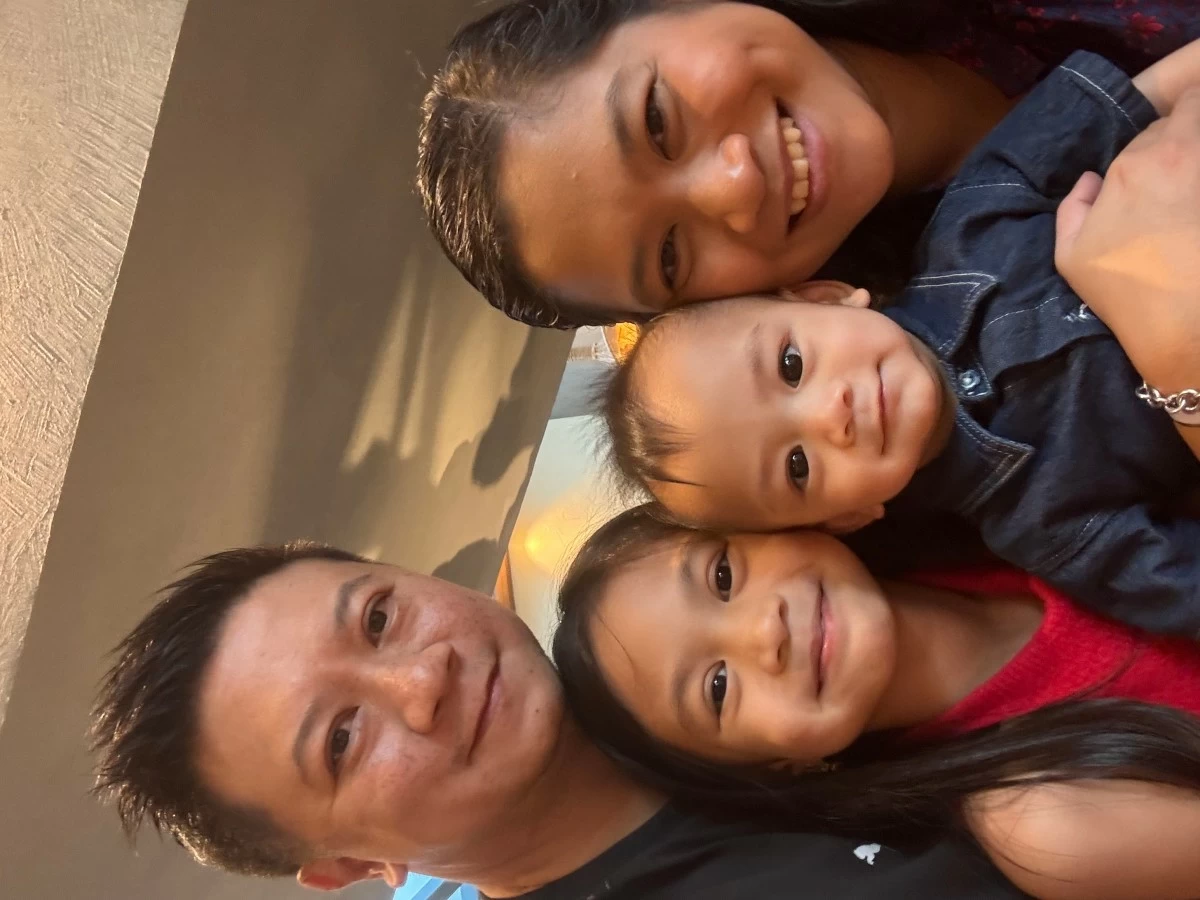
Krys Salcedo-Policarpio and her family
When love listens
As soon as our daughter was born, we showed her that we were there for all her needs. Some may say it was too early for her to understand, but for us, it was about building trust by helping her feel secure in knowing we would always be there for her.
When she learned how to talk, we thought communication would be easier. But we quickly realized that words alone weren’t enough—she needed help processing her emotions. That’s when we opened our arms to tight hugs, no matter how long they took. We’d say, “Just let me know when you’re ready to talk.” Even as adults, all we sometimes need is a hug and a listening ear.
When challenges came, we didn’t sweep them aside—we worked through them together, asking her how she wanted us to help. And most importantly, we were never afraid to apologize. When she told us we hurt her, we listened and said sorry—no excuses, just a genuine apology for the pain we caused.
As her parents, we are also open about our own feelings. We make sure she sees that anyone can have big emotions, and that it’s okay to talk about them.—Krys S. Policarpio
graduate of Harvard Graduate School of Education’s Early Childhood Development Leadership program, Mom to two children aged 7 and 10 months old