ADVERTISEMENT

DOH: 4,859 leptospirosis cases recorded since start of rainy season

Published Sep 6, 2025 05:37 pm
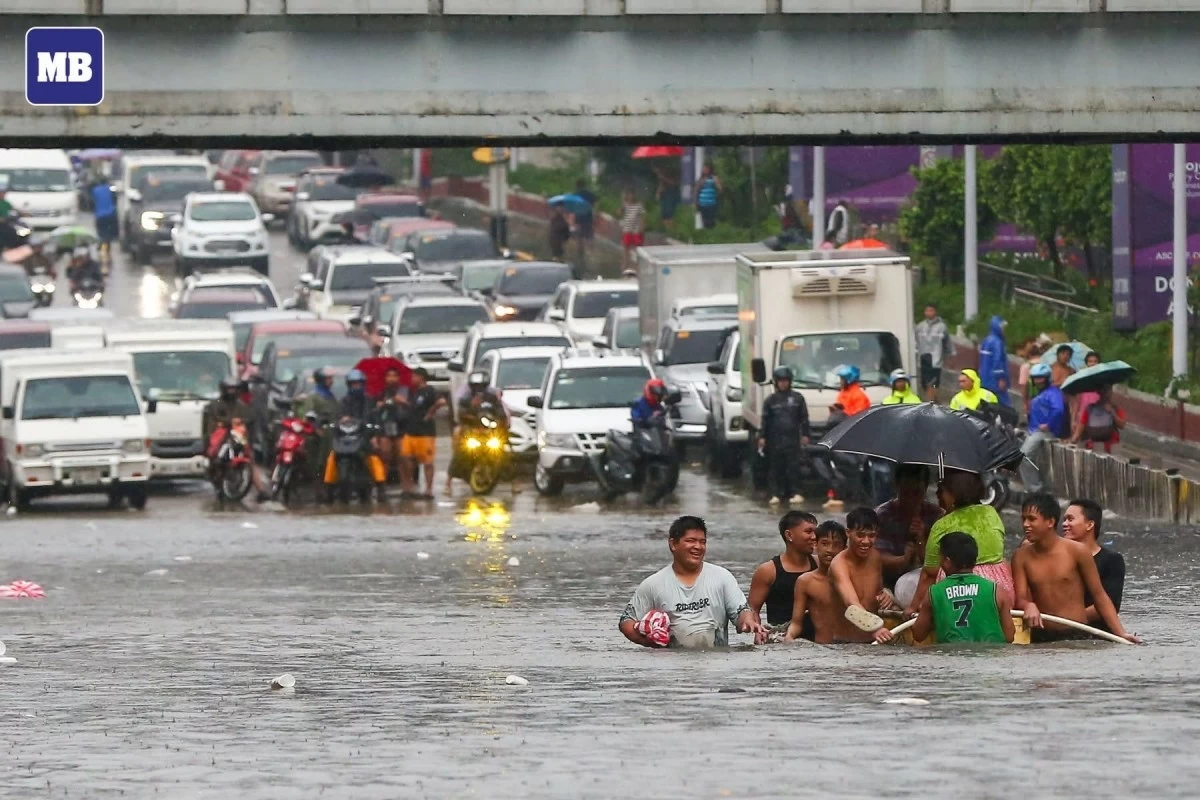
(MB FILE PHOTO)
(MB FILE PHOTO)
The Department of Health (DOH) on Saturday, September 6, said the total number of leptospirosis cases in the country has reached 4,859 since the rainy season began in June.
The figure covers the period from June 8, a week after the Philippine Atmospheric, Geophysical and Astronomical Services Administration (PAGASA) declared the start of the rainy season, up to Sept. 4.
For the latest monitoring week, from August 31 to September 4, the agency said only one new case was recorded nationwide despite recent flooding in parts of the country.
“Ngayong linggo, isa pa lang ang naitatala nating kaso ng leptospirosis (This week, only one case of leptospirosis has been recorded),” the DOH said in its advisory.
The agency cautioned, however, that the number may still change as surveillance continues. 
The health department noted that the drop is significant compared to the 1,147 cases recorded from August 3 to 9, a week after tropical cyclones Crising, Dante, and Emong.
“Bagaman isa pa lang ang kaso ngayong linggo, nananatili tayong nakaantabay dahil posibleng tumaas pa ang bilang dulot ng pagbaha mula sa tropical depression at habagat (Although there is only one case this week, we remain on alert because the number could still rise due to floods caused by the tropical depression and southwest monsoon),” it added.
The DOH assured that its hospitals are ready through leptospirosis “fast lanes” to immediately assess and treat patients exposed to floodwaters and contaminated mud.
“Agad na magpakonsulta sa fast lanes ng DOH hospitals o sa pinakamalapit na health center kung nalubog sa baha o na-expose sa putik upang ma-assess ang risk level at maibigay ang karampatang gamutan (Immediately seek consultation at the fast lanes of DOH hospitals or the nearest health center if submerged in floodwaters or exposed to mud to assess the risk level and provide proper treatment),” the DOH said.
According to the World Health Organization (WHO), leptospirosis is contracted through exposure to urine of infected animals or contaminated environments, which can enter the body through wounds or mucous membranes.
It cautioned that without treatment, the illness may cause kidney damage, meningitis, liver failure, respiratory problems, and death.

Related Tags

DOH Department of Health leptospirosis leptospirosis cases leptospirosis Philippines PAGASA rainy season
ADVERTISEMENT
.most-popular .layout-ratio{ padding-bottom: 79.13%; } @media (min-width: 768px) and (max-width: 1024px) { .widget-title { font-size: 15px !important; } }

{{ articles_filter_1561_widget.title }}

.most-popular .layout-ratio{ padding-bottom: 79.13%; } @media (min-width: 768px) and (max-width: 1024px) { .widget-title { font-size: 15px !important; } }

{{ articles_filter_1562_widget.title }}

.most-popular .layout-ratio{ padding-bottom: 79.13%; } @media (min-width: 768px) and (max-width: 1024px) { .widget-title { font-size: 15px !important; } }

{{ articles_filter_1563_widget.title }}

{{ articles_filter_1564_widget.title }}

.mb-article-details { position: relative; } .mb-article-details .article-body-preview, .mb-article-details .article-body-summary{ font-size: 17px; line-height: 30px; font-family: "Libre Caslon Text", serif; color: #000; } .mb-article-details .article-body-preview iframe , .mb-article-details .article-body-summary iframe{ width: 100%; margin: auto; } .read-more-background { background: linear-gradient(180deg, color(display-p3 1.000 1.000 1.000 / 0) 13.75%, color(display-p3 1.000 1.000 1.000 / 0.8) 30.79%, color(display-p3 1.000 1.000 1.000) 72.5%); position: absolute; height: 200px; width: 100%; bottom: 0; display: flex; justify-content: center; align-items: center; padding: 0; } .read-more-background a{ color: #000; } .read-more-btn { padding: 17px 45px; font-family: Inter; font-weight: 700; font-size: 18px; line-height: 16px; text-align: center; vertical-align: middle; border: 1px solid black; background-color: white; } .hidden { display: none; }
function initializeAllSwipers() { // Get all hidden inputs with cms_article_id document.querySelectorAll('[id^="cms_article_id_"]').forEach(function (input) { const cmsArticleId = input.value; const articleSelector = '#article-' + cmsArticleId + ' .body_images'; const swiperElement = document.querySelector(articleSelector); if (swiperElement && !swiperElement.classList.contains('swiper-initialized')) { new Swiper(articleSelector, { loop: true, pagination: false, navigation: { nextEl: '#article-' + cmsArticleId + ' .swiper-button-next', prevEl: '#article-' + cmsArticleId + ' .swiper-button-prev', }, }); } }); } setTimeout(initializeAllSwipers, 3000); const intersectionObserver = new IntersectionObserver( (entries) => { entries.forEach((entry) => { if (entry.isIntersecting) { const newUrl = entry.target.getAttribute("data-url"); if (newUrl) { history.pushState(null, null, newUrl); let article = entry.target; // Extract metadata const author = article.querySelector('.author-section').textContent.replace('By', '').trim(); const section = article.querySelector('.section-info ').textContent.replace(' ', ' '); const title = article.querySelector('.article-title h1').textContent; // Parse URL for Chartbeat path format const parsedUrl = new URL(newUrl, window.location.origin); const cleanUrl = parsedUrl.host + parsedUrl.pathname; // Update Chartbeat configuration if (typeof window._sf_async_config !== 'undefined') { window._sf_async_config.path = cleanUrl; window._sf_async_config.sections = section; window._sf_async_config.authors = author; } // Track virtual page view with Chartbeat if (typeof pSUPERFLY !== 'undefined' && typeof pSUPERFLY.virtualPage === 'function') { try { pSUPERFLY.virtualPage({ path: cleanUrl, title: title, sections: section, authors: author }); } catch (error) { console.error('ping error', error); } } // Optional: Update document title if (title && title !== document.title) { document.title = title; } } } }); }, { threshold: 0.1 } ); function showArticleBody(button) { const article = button.closest("article"); const summary = article.querySelector(".article-body-summary"); const body = article.querySelector(".article-body-preview"); const readMoreSection = article.querySelector(".read-more-background"); // Hide summary and read-more section summary.style.display = "none"; readMoreSection.style.display = "none"; // Show the full article body body.classList.remove("hidden"); } document.addEventListener("DOMContentLoaded", () => { let loadCount = 0; // Track how many times articles are loaded const offset = [1, 2, 3, 4, 5, 6, 7, 8, 9, 10]; // Offset values const currentUrl = window.location.pathname.substring(1); let isLoading = false; // Prevent multiple calls if (!currentUrl) { console.log("Current URL is invalid."); return; } const sentinel = document.getElementById("load-more-sentinel"); if (!sentinel) { console.log("Sentinel element not found."); return; } function isSentinelVisible() { const rect = sentinel.getBoundingClientRect(); return ( rect.top < window.innerHeight && rect.bottom >= 0 ); } function onScroll() { if (isLoading) return; if (isSentinelVisible()) { if (loadCount >= offset.length) { console.log("Maximum load attempts reached."); window.removeEventListener("scroll", onScroll); return; } isLoading = true; const currentOffset = offset[loadCount]; window.loadMoreItems().then(() => { let article = document.querySelector('#widget_1690 > div:nth-last-of-type(2) article'); intersectionObserver.observe(article) loadCount++; }).catch(error => { console.error("Error loading more items:", error); }).finally(() => { isLoading = false; }); } } window.addEventListener("scroll", onScroll); });

Sign up by email to receive news.