







TUPAD not just about sweeping streets—DOLE chief
Published Sep 5, 2025 02:35 pm


When you hear of the government project TUPAD, chances are you'll conjure up images of a horde or street sweepers donning green long sleeves, working in the sweltering heat.
But TUPAD—which stands for Tulong Panghanapbuhay sa Ating Disadvantaged/Displaced Workers—"should not be synonymous with pagwawalis (street sweeping)", according to Department of Labor and Employment (DOLE) Secretary Bienvenido Laguesma.
Actually, a lot of people are unaware that DOLE's TUPAD is not only about sweeping the streets clean. There are also workers engaged in reforestation, farming, and cleaning of creeks--depending on a certain area's needs, said Laguesma.
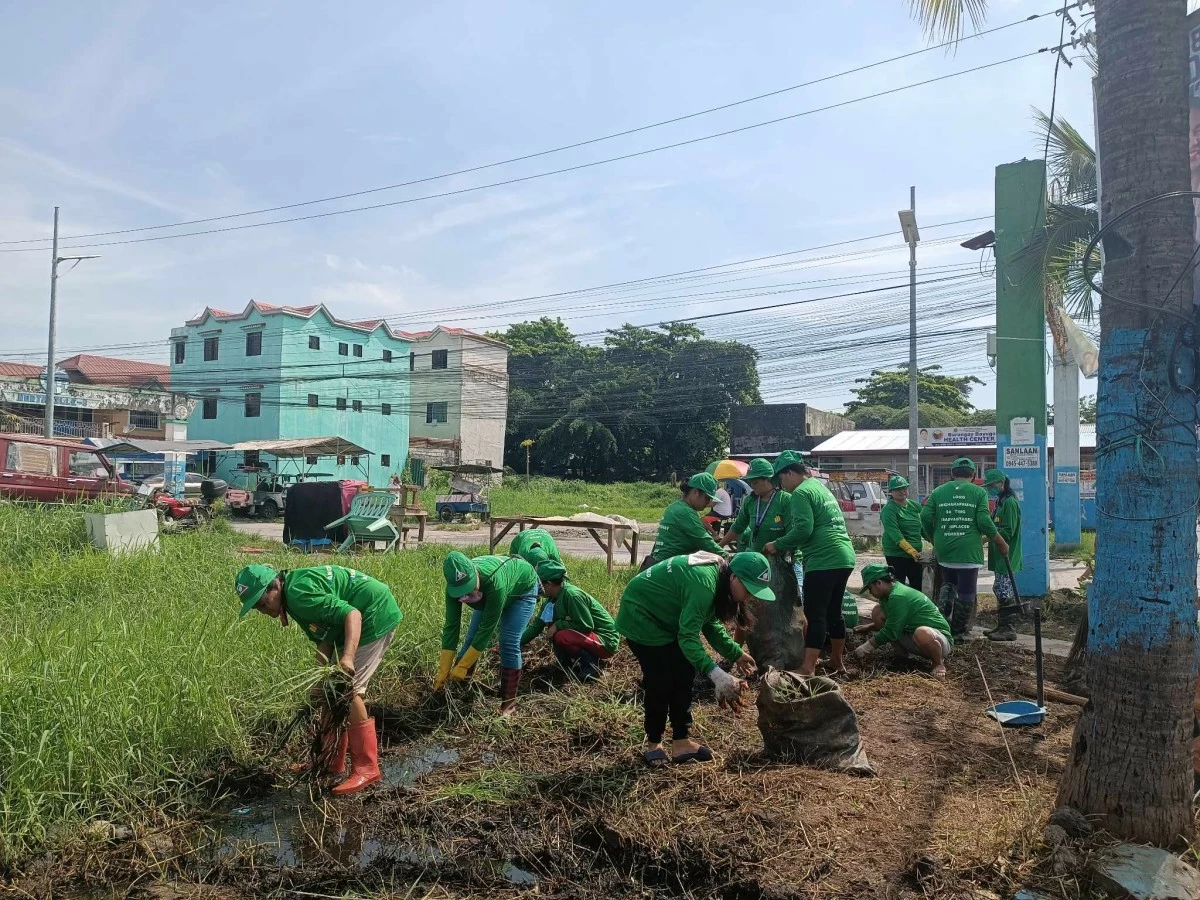
"Hindi [lang] pag wawalis ng kalsada, kasi baka po maubos ang espalto (It's not only about sweeping the streets because the asphalt might wear out)," Laguesma said in jest during the House Committee on Appropriations' hearing Friday, Sept. 5 for the agency's proposed P44.38-billion budget for next year.
Laguesma made such the clarification after Zamboanga del Norte 3rd district Rep. Ian Amatong raised a question about the real "value" of TUPAD.
Amatong said some of TUPAD workers were only pretending to work, which DOLE was apparently aware of.
DOLE is allotting P11 billion for its TUPAD program. It will provide temporary work for displaced workers and disadvantaged individuals through community projects and short-term government internships.
"Maganda yung layunin nyong magbigay ng trabaho, kaya lang yung value ng work nawawala. Kasi parang naglolokohan nalang (We know that your advocacy to give opportunities is good. However, it's already losing its value because it seems we're only fooling ourselves with it)," Amatong said.
Laguesma said DOLE already took action regarding the matter. They will also penalize and blacklist communities or leaders who will still engage in such a scheme.
"Hopefully, 'yung local counterparts nyo maghigpit din sila kasi hindi enough na gusto nyong baguhin nyo yung sistema [tapos] yung local counterparts nyo hinahayaan (your local counterparts will also be strict in implementing the real work because it's not enough that only the higher ups want to change the system but the local counterparts still let fraudulent activities)," Amatong said.