







Real reason people go to malls in the age of e-commerce
Published Sep 5, 2025 08:00 am


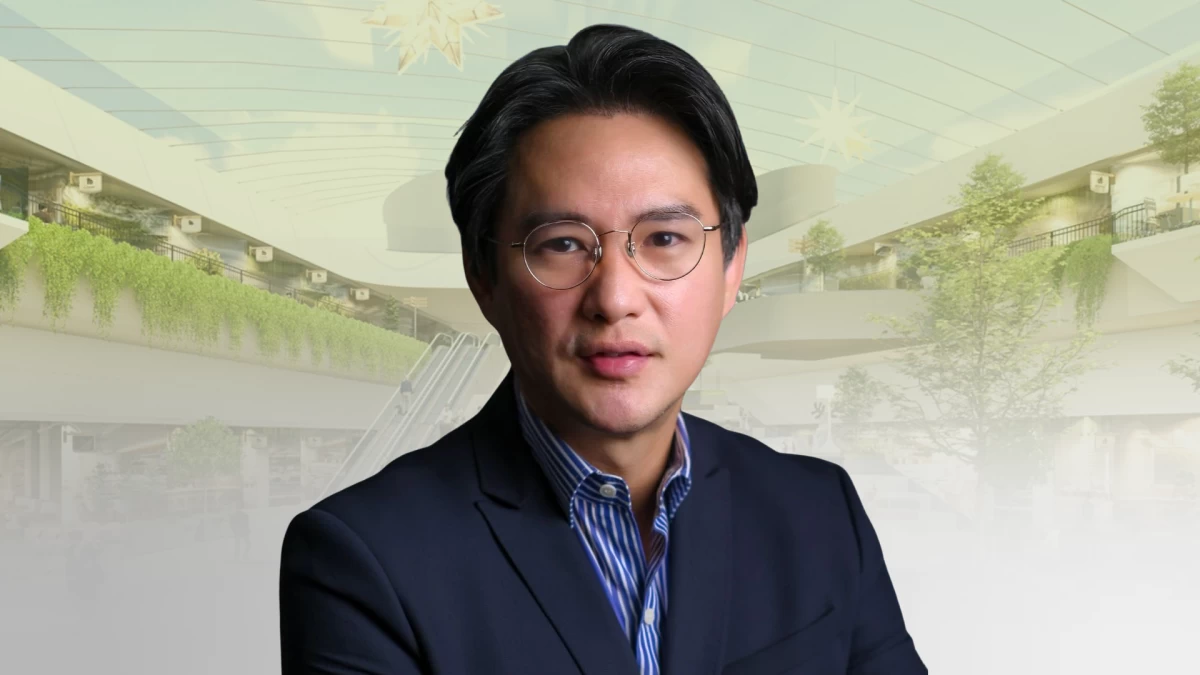
SM Supermalls President Steven Tan
The future of business isn’t just about selling a product—it’s about selling an experience. This is the core belief of Steven Tan, president of SM Supermalls, and it’s a philosophy that has guided the company‘s evolution.
During a recent media meeting, Steven argued that the most successful companies, even in the digital age, are those that listen to younger consumers and provide a fresh, exciting, and highly curated in-person environment.
For him, human connection is the key differentiator that will determine which businesses thrive and which become obsolete.
“The ones that will stay relevant are the ones that innovate,” Tan declared. “The ones that do not innovate will become obsolete. That‘s what I really believe in.”
This conviction is Steven’s direct response to a retail landscape reshaped by the pandemic and the subsequent acceleration of online shopping. While other businesses may have seen the rise of e-commerce as a death knell for brick-and-mortar stores, Tan saw an opportunity.
He argued that the decline of formerly successful retailers wasn’t caused by e-commerce, but by their complacency. They simply failed to adapt to younger market that wants more than just a place to buy goods—a trend he sees in fashion and electronics, as well as in hospitality and dining.
“You always have to innovate. You always have to bring in new, freshness, and something that is exciting to your consumer or to your audience,” he insisted.
Tan argued that the most potent weapon in the arsenal of physical retail is the “experiential” factor—a concept that goes far beyond entertainment and applies to everything within a mall’s walls.
Here, Steven provided a familiar example: purchasing a suit or lipstick. Consumers, he said, want to see the exact shade, feel the fabric, and get advice from a consultant. They want to interact with people.
For Filipinos, this need for interaction is particularly important. “They really need interaction, especially Filipinos,” Steven explained. “Filipinos like really going out with your barkadas, talking to friends, your families.”
The act of shopping is a social occasion, a chance to ask for opinions from spouse, parent, or friends. These are the moments that e-commerce, with all its convenience, simply cannot replicate.
Steven’s ‘secret sauce’
The real driving force behind SM Supermalls’ shift, according to Steven, is a new generation of consumers: Gen Z and Gen Alpha. He described them with mix of admiration and urgency. “They really crave experience,” he said. “They won’t settle.”
He noted their discerning nature, saying “magaling talaga sila [they are truly good]” and that it is up to businesses to give them what they want because “they are the future.” The secret to future-proofing a business, he stated, is to “listen to them. Give them what they want. That’s the only secret sauce here.”
This pivot is not a new reaction for SM; it’s a proactive measure that has been in the works for decades. Tan credited Prime Holdings Chairman of the Executive Committee Hans Sy for his foresight.
Approximately 20 years ago, drawing on lessons from China, an early adopter of e-commerce, Sy told Tan to prepare. “Steven, I think e-commerce is going to come into the Philippines sooner or later,” Tan recalled Sy saying.
This foresight led to a fundamental transformation of SM’s physical spaces. Steven said that when he first joined SM, the food and beverage mix in the malls was less than five percent of their total tenants.
Today, that number is over 30 percent. This substantial increase in restaurants, cafes, and dining experiences was not an accident but calculated move made “in anticipation of what’s gonna happen.”
The goal was to transform the malls from mere shopping centers into “more experiential and more lifestyle oriented” destinations where people could not only shop but also “dwell and hang out and... celebrate.”
A visit to a flagship mall like Mall of Asia, which now has over 200 restaurants, or Mega Fashion Hall, which is packed with casual dining spots, is a testament to this shift, according to Tan.
Hybrid future of retail
These changes were made even before the e-commerce wave fully hit the Philippines, positioning SM ahead of the curve. However, Steven was also quick to point out that this focus on physical experience does not negate the importance of e-commerce.
SM has also invested in its digital platforms, including SM Malls Online. Tan believes the future of retail is a hybrid model where businesses are “present, whether online or offline.”
Ultimately, Tan’s business philosophy boils down to a single guiding principle: the consumer is king. By providing everything they want—from the convenience of online delivery to the irreplaceable joy of an in-person, social, and tactile shopping experience—a company can ensure its longevity.