







Inflation reverses course, up to 1.5% in August
Published Sep 5, 2025 09:25 am
|
Updated Sep 5, 2025 01:17 pm


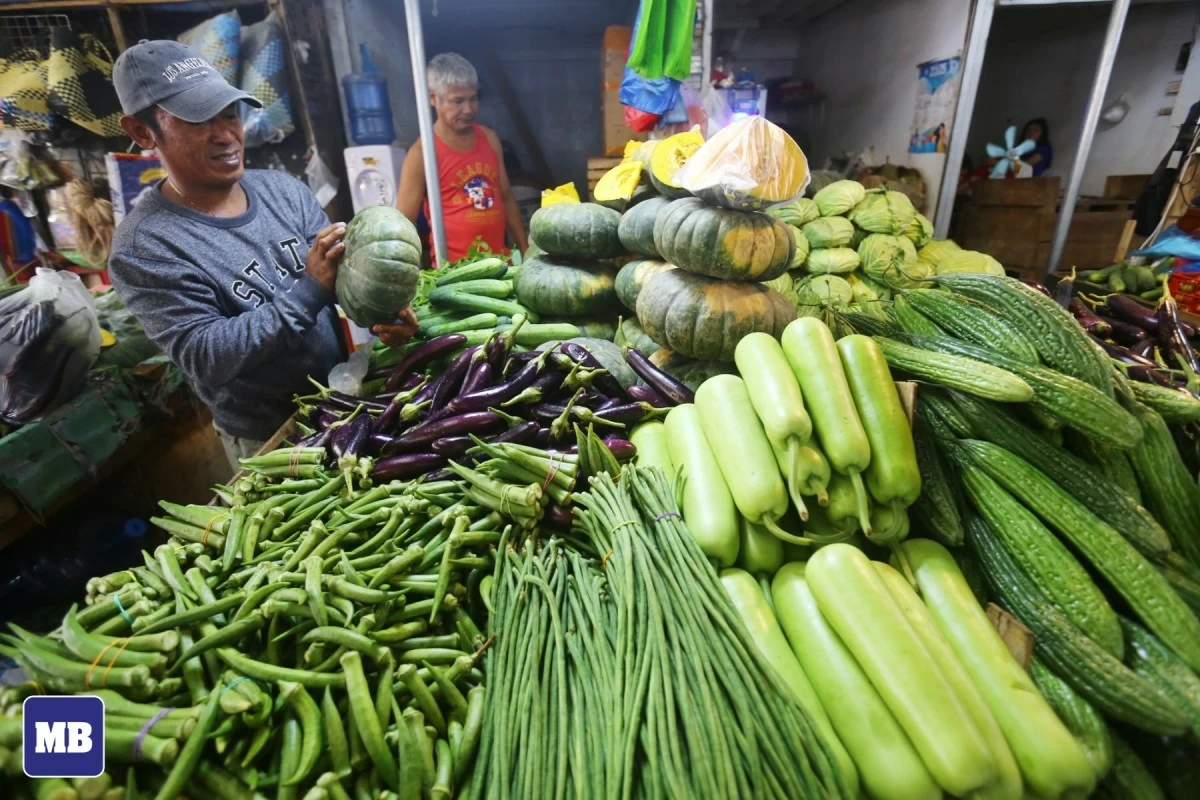
Sharply rising food prices, particularly for vegetables and fish, were the main drivers of the Philippines’ inflation increase to 1.5 percent in August. (Photo by Keith Bacongco | MB)
The rate of increase in consumer prices has accelerated last month due to jump in food prices, with recent weather events heavily impacting the cost of vegetables, the Philippine Statistics Authority (PSA) reported on Friday, Sept. 5.
Headline inflation accelerated to 1.5 percent in August 2025, faster than the 0.9 percent recorded in July, although still below the 3.3 percent recorded in the same month last year, data from the PSA showed.
From January to August, average inflation stood at 1.7 percent.
According to the PSA, the uptick was mainly driven by food and non-alcoholic beverages, which posted an inflation rate of 0.9 percent and contributed 69.3 percent to the overall figure.
Within this group, vegetables, tubers, and bananas rose by 10 percent, while fish and other seafood climbed 9.5 percent.
PSA Chief Dennis Mapa stated that recent typhoons had significantly impacted vegetable prices.
In the National Capital Region (NCR), vegetable inflation reached 26.5 percent, compared with 6.9 percent in areas outside NCR.
“The impact of the typhoons in the past few months has been attributed particularly to vegetables,” Mapa said in Filipino, adding that vegetable prices surged in both NCR and other regions in August.
Despite the rise in headline inflation, the bottom 30 percent of income households continued to experience deflation.
Mapa explained that rice, which accounts for about 18 percent of the spending basket for poor households, has posted a sharp price drop.
Rice deflation was recorded at –17 percent for all households and an even deeper –19.3 percent for the bottom 30 percent, offsetting higher costs of vegetables and fish.
Mapa noted that rice inflation is likely to remain negative in the coming months, although the decline may not be as steep as current levels.
Prices are expected to continue trending downward, but the deflationary effect is narrowing, he said.
Looking ahead, Mapa warned that inflation could climb further toward year-end as more goods and services put upward pressure on prices.
He cited meat, fish, and vegetables as key risks, alongside housing, water, electricity, gas, and other fuels, which account for 21 percent of the consumer basket and face higher costs following adjustments to electricity prices.
The transport sector, with a 9 percent share, also poses risks due to recent petroleum price increases.
Overall, Mapa sees more upside than downside risks to inflation in the coming months, adding that the upward trend could persist until December. (Ricardo Austria)