







Simple steps to live plastic-free
Published Sep 4, 2025 01:03 pm


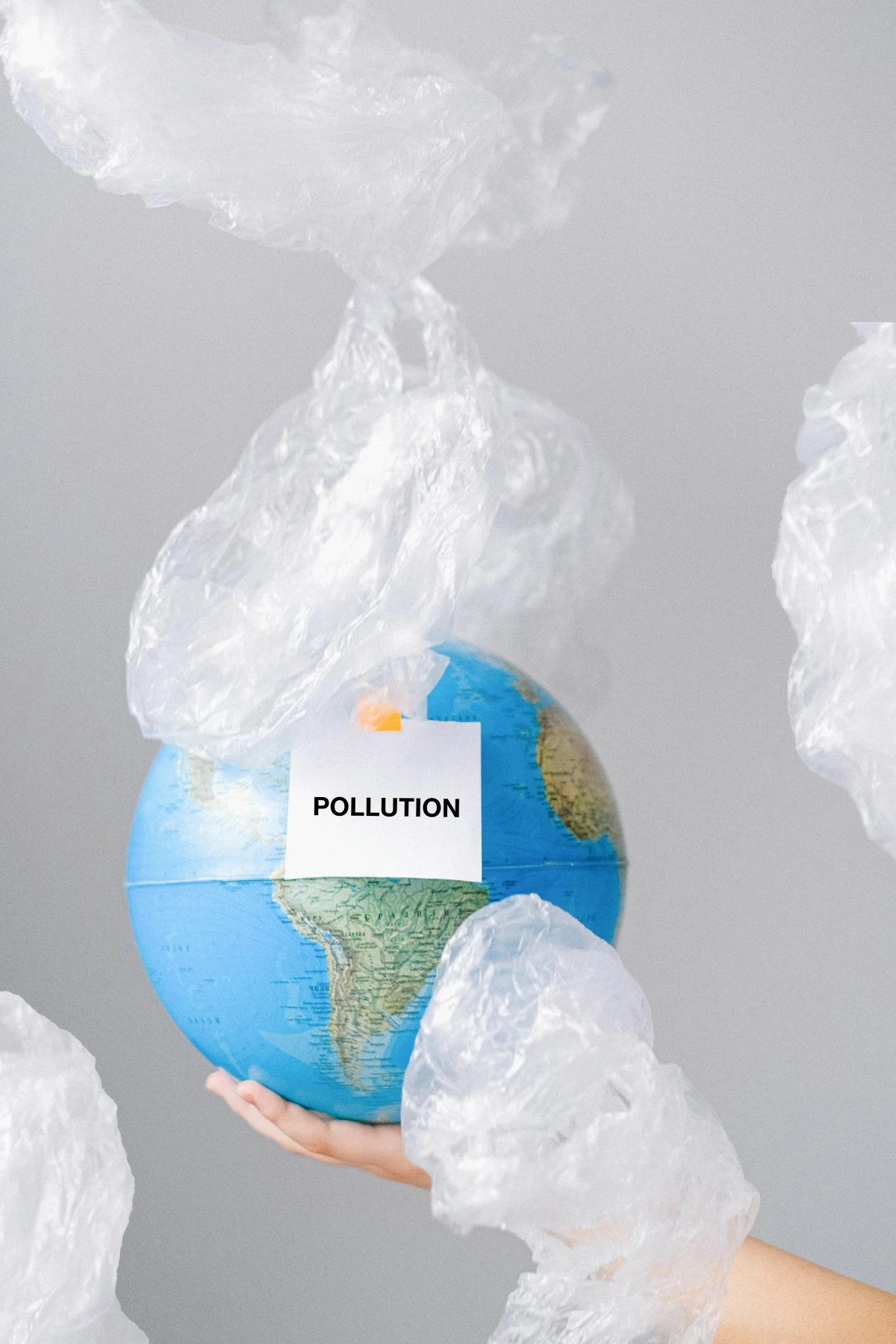
Two thousand garbage trucks’ worth. If you are wondering about how much plastic is dumped into the oceans and waterways of the world every day – this is how you can picture the amount, according to the United Nations Environment Program (UNEP). The agency added that some 19 to 23 million tons of plastic is disposed of every year, polluting our environment and impacting all aspects of life. The recent series of typhoons that hit the country illustrated this truth. Streets were flooded due to waterways choked with garbage (much of it plastic), leading to class and work suspensions, delays in economic activities like the delivery of goods, and even a rise in the number of people suffering from leptospirosis.
Decreasing our daily need for plastic has been asked of us for many years, but we’re probably missing other ways we consume and use plastic with our other choices. Here’s a list of changes we can make starting today:
What you get for pets. When buying toys for your pets, think of their health and not just their fun, says environment advocate earthday.org. On its site, the organization discusses how “plastic additives like phthalates and bisphenol-A (BPA) are common in many pet toys, leaching into pets’ gums, stomachs, and skin.” When pets ingest these substances, it could lead to long-term health issues. Opt for non-plastic toys, accessories, and even food containers as these may contain bisphenol A or BPA, an industrial chemical found in polycarbonate plastics, that can affect a pet’s health, just as it does in children.
Tumbler power. It’s an extra item to bring around, but it does wonders for the environment! Having your own tumbler not only saves you money because you do not need to buy bottled water, it also reduces your plastic consumption. Fact: Since plastic is not biodegradable, “it simply breaks apart into smaller and smaller pieces over time, creating what’s known as micro- or nanoplastics,” according to the United Nations Foundation. This change also increases your chances of staying hydrated all day.
Coffee or tea. When buying coffee or milk tea, ask the barista if the drink can be served in your tumbler instead of a single-use cup. Imagine how many servings of coffee and milk tea you’ve consumed all these years and all the plastic cups still sitting in landfills. While you’re at it, bring your own reusable straws instead of using the plastic ones some stores still provide.
Reuse, reuse. Online shopping undoubtedly increases plastic consumption. Can you reuse the bubble wraps from items you bought for items you plan to send or sell? Can you order two or three of the items you regularly need instead of buying one at a time? Bulk buying can reduce the number of plastic packages delivered to you, too. Other ways to reuse plastic: bring your own food containers when you are scheduled to eat out, in case you have leftovers.
Sustainable switch. There is a rise in products made from recycled plastics, plant-based materials, wood, and other sustainable alternatives. Many brands feature these options on their websites and share the environmental impact their expanded offerings bring. Observe the condition of some of your plastic purchases – don’t some become sticky already after some time? Assess the return on investment value of your purchases and their condition after some time if you plan to resell or give them away.
It’s in the details. Plastic is present in almost all aspects of our lives so maximize every opportunity to refuse it. When taking out food to eat at home, decline the plastic utensils from the restaurant. It’s not only the big plastic bags you can refuse. You can do without the smaller ones used to wrap a bottle of medicine, a stick of lipstick, or a small toy. It does not matter if the material is paper or plastic. The goal is to reduce the waste we contribute. You may need it now but dispose of it anyway as soon as you get home.
Going on a trip? One pro tip from people who want to spend less is to check what you already have at home before buying anything new. If you are headed for a road trip or a weekend staycation, make a list of what you need and check if you have these around. Take some of the unused pile of plastic utensils from food deliveries if you will likely buy food for the road. Bring coolers, in case you plan to buy meat or fish where you are visiting. Bring some of the plastic bags you have, in case you plan to buy plants, vegetables, or fruits. The reality is plastic still enters our home; the goal is to reduce what comes in and reuse what we already have.