ADVERTISEMENT

Negros defends its organic table

Leaders and farmers unite to keep the province's food GMO-free

By MBrand
Published Sep 4, 2025 07:35 am
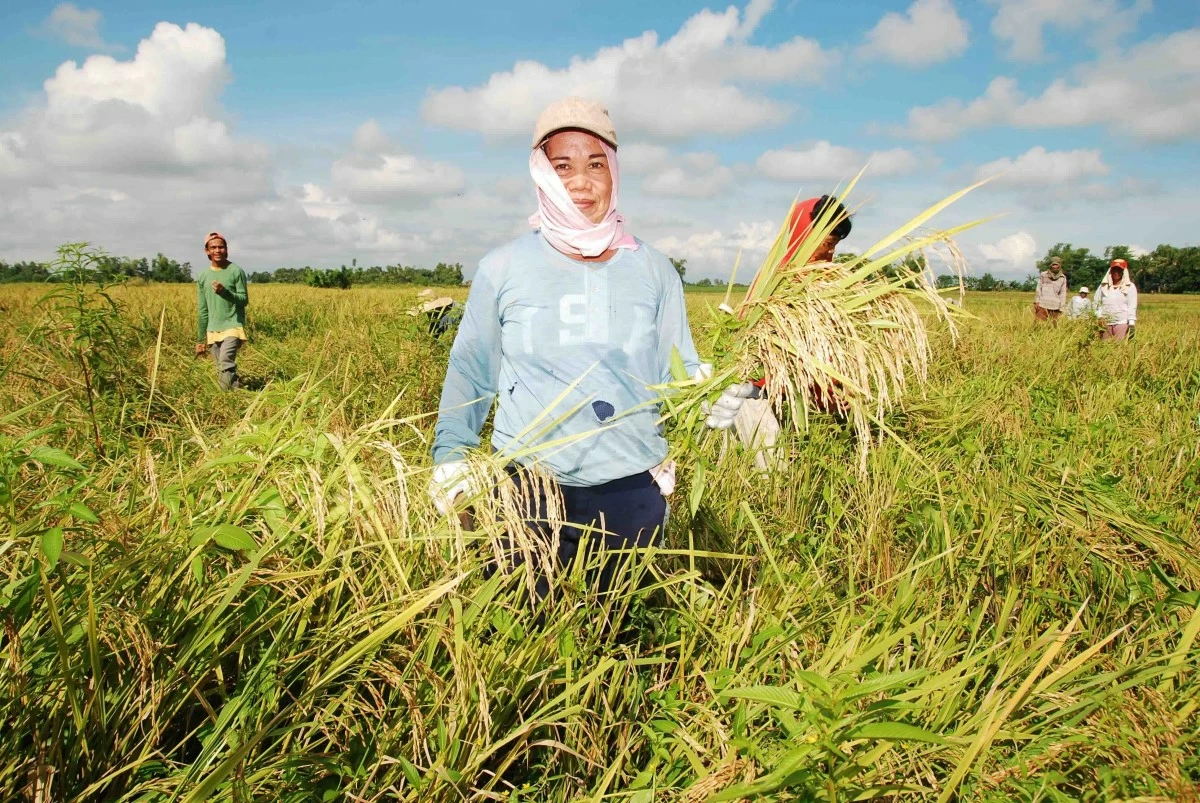
Negros Occidental has built its reputation around food that is fresh, natural, and rooted in its land. Known as the “Organic Capital of the Philippines,” the province has drawn farmers, cooks, and consumers together under a shared commitment to chemical-free agriculture.
That identity, say local leaders, is now under threat.
On Sept. 1, church officials, scientists, farmers, and advocates signed a declaration opposing genetically modified organism (GMO) testing in the province. The move comes as the Sangguniang Panlalawigan, or Provincial Board, considers an ordinance that would open the door to GMO entry.
“Negros Occidental must remain GMO-free. Its destiny lies in being a model for ecological food systems, not a testing ground for technologies that threaten our land, our health, and our future,” the declaration stated.
Organic roots, culinary future
Negros Occidental first declared itself GMO-free in 2007, a decision that not only shaped farming but also helped define the province’s food culture. Its markets, restaurants, and community kitchens have long highlighted produce grown without synthetic chemicals and meals that reflect farmer-led practices.
The signatories said GMO testing would jeopardize that identity. “Once GMOs enter the environment, coexistence is impossible, and organic certification is jeopardized,” the statement read.
Advocates warned that genetic modification could also alter who controls the food on local tables. “GMOs compromise food sovereignty. Seed ownership shifts from farmers to multinational companies, eroding community control over food systems,” the declaration added.
Broad coalition of voices
The declaration drew support from Bishop Gerardo Alminaza of the Diocese of San Carlos, Fr. Julius Espinosa of Caritas Bacolod, farmer cooperatives, indigenous communities, and environmental advocates. Civil society groups such as the Nisard Foundation, IFOAM Asia, KAISAHAN, MASIPAG, and grassroots organizations from across Negros also signed on.
Bishop Alminaza framed the issue as both moral and practical. “We are stewards, not owners, of this land. To test GMOs in Negros Occidental is to sow seeds of greed where God calls us to sow seeds of life,” he said. “A single GMO test plot can undo years of farmer-led progress. Once contamination begins, there is no turning back. That is why Negros Occidental stands firm: no GMOs, no exceptions—because our sovereignty, biodiversity, and public health are not for negotiation.”
Edgardo S. Uychiat, IFOAM World Board Member and president of the Negros Island Sustainable Agriculture and Rural Development Foundation, Inc. (NISARD), emphasized the connection to what families eat. “Organic farming cannot co-exist with GMO crops,” Uychiat said. “Let us protect our children and future generations from the hazards of pesticides and industrial agriculture.”
Global food connection
Groups such as IFOAM – Organics International have long said GMOs are “fundamentally incompatible with organic agriculture” and threaten “ecological systems, farmers’ rights, and consumer trust.”
Negros Occidental’s resistance aligns it with other regions worldwide that have restricted GMO cultivation, often out of concern for public health and food safety. By defending its organic heritage, advocates said, Negros strengthens its role as part of a global food movement committed to sustainable and just systems.
Call to safeguard the table
The declaration urged the provincial and national government to protect the GMO-free policy without exemptions. It also called for greater investment in organic farming, agroecology, and farmer-led research to address hunger, poverty, and climate change.
“GMOs have no place in organic agriculture, nor in the future of Negros Occidental,” the declaration concluded.
For its signatories, the fight is about more than crops. It is about protecting what arrives on the plate — and ensuring Negros Occidental remains a trusted source of safe, sustainable food for generations to come.
ADVERTISEMENT
.most-popular .layout-ratio{ padding-bottom: 79.13%; } @media (min-width: 768px) and (max-width: 1024px) { .widget-title { font-size: 15px !important; } }

{{ articles_filter_1561_widget.title }}

.most-popular .layout-ratio{ padding-bottom: 79.13%; } @media (min-width: 768px) and (max-width: 1024px) { .widget-title { font-size: 15px !important; } }

{{ articles_filter_1562_widget.title }}

.most-popular .layout-ratio{ padding-bottom: 79.13%; } @media (min-width: 768px) and (max-width: 1024px) { .widget-title { font-size: 15px !important; } }

{{ articles_filter_1563_widget.title }}

{{ articles_filter_1564_widget.title }}

.mb-article-details { position: relative; } .mb-article-details .article-body-preview, .mb-article-details .article-body-summary{ font-size: 17px; line-height: 30px; font-family: "Libre Caslon Text", serif; color: #000; } .mb-article-details .article-body-preview iframe , .mb-article-details .article-body-summary iframe{ width: 100%; margin: auto; } .read-more-background { background: linear-gradient(180deg, color(display-p3 1.000 1.000 1.000 / 0) 13.75%, color(display-p3 1.000 1.000 1.000 / 0.8) 30.79%, color(display-p3 1.000 1.000 1.000) 72.5%); position: absolute; height: 200px; width: 100%; bottom: 0; display: flex; justify-content: center; align-items: center; padding: 0; } .read-more-background a{ color: #000; } .read-more-btn { padding: 17px 45px; font-family: Inter; font-weight: 700; font-size: 18px; line-height: 16px; text-align: center; vertical-align: middle; border: 1px solid black; background-color: white; } .hidden { display: none; }
function initializeAllSwipers() { // Get all hidden inputs with cms_article_id document.querySelectorAll('[id^="cms_article_id_"]').forEach(function (input) { const cmsArticleId = input.value; const articleSelector = '#article-' + cmsArticleId + ' .body_images'; const swiperElement = document.querySelector(articleSelector); if (swiperElement && !swiperElement.classList.contains('swiper-initialized')) { new Swiper(articleSelector, { loop: true, pagination: false, navigation: { nextEl: '#article-' + cmsArticleId + ' .swiper-button-next', prevEl: '#article-' + cmsArticleId + ' .swiper-button-prev', }, }); } }); } setTimeout(initializeAllSwipers, 3000); const intersectionObserver = new IntersectionObserver( (entries) => { entries.forEach((entry) => { if (entry.isIntersecting) { const newUrl = entry.target.getAttribute("data-url"); if (newUrl) { history.pushState(null, null, newUrl); let article = entry.target; // Extract metadata const author = article.querySelector('.author-section').textContent.replace('By', '').trim(); const section = article.querySelector('.section-info ').textContent.replace(' ', ' '); const title = article.querySelector('.article-title h1').textContent; // Parse URL for Chartbeat path format const parsedUrl = new URL(newUrl, window.location.origin); const cleanUrl = parsedUrl.host + parsedUrl.pathname; // Update Chartbeat configuration if (typeof window._sf_async_config !== 'undefined') { window._sf_async_config.path = cleanUrl; window._sf_async_config.sections = section; window._sf_async_config.authors = author; } // Track virtual page view with Chartbeat if (typeof pSUPERFLY !== 'undefined' && typeof pSUPERFLY.virtualPage === 'function') { try { pSUPERFLY.virtualPage({ path: cleanUrl, title: title, sections: section, authors: author }); } catch (error) { console.error('ping error', error); } } // Optional: Update document title if (title && title !== document.title) { document.title = title; } } } }); }, { threshold: 0.1 } ); function showArticleBody(button) { const article = button.closest("article"); const summary = article.querySelector(".article-body-summary"); const body = article.querySelector(".article-body-preview"); const readMoreSection = article.querySelector(".read-more-background"); // Hide summary and read-more section summary.style.display = "none"; readMoreSection.style.display = "none"; // Show the full article body body.classList.remove("hidden"); } document.addEventListener("DOMContentLoaded", () => { let loadCount = 0; // Track how many times articles are loaded const offset = [1, 2, 3, 4, 5, 6, 7, 8, 9, 10]; // Offset values const currentUrl = window.location.pathname.substring(1); let isLoading = false; // Prevent multiple calls if (!currentUrl) { console.log("Current URL is invalid."); return; } const sentinel = document.getElementById("load-more-sentinel"); if (!sentinel) { console.log("Sentinel element not found."); return; } function isSentinelVisible() { const rect = sentinel.getBoundingClientRect(); return ( rect.top < window.innerHeight && rect.bottom >= 0 ); } function onScroll() { if (isLoading) return; if (isSentinelVisible()) { if (loadCount >= offset.length) { console.log("Maximum load attempts reached."); window.removeEventListener("scroll", onScroll); return; } isLoading = true; const currentOffset = offset[loadCount]; window.loadMoreItems().then(() => { let article = document.querySelector('#widget_1690 > div:nth-last-of-type(2) article'); intersectionObserver.observe(article) loadCount++; }).catch(error => { console.error("Error loading more items:", error); }).finally(() => { isLoading = false; }); } } window.addEventListener("scroll", onScroll); });

Sign up by email to receive news.