






The Philippines, through the Manila Declaration on Seafarers’ Rights, Safety, and Well-Being, is working with different countries to better protect the rights of Filipino seafarers facing criminal charges and abandonment abroad.
Manila Bulletin
 Philippines
National
PH working with other countries to protect seafarers vs criminalization
Philippines
National
PH working with other countries to protect seafarers vs criminalization
Philippines
National
PH working with other countries to protect seafarers vs criminalization
PH working with other countries to protect seafarers vs criminalization
Published Sep 3, 2025 12:02 pm


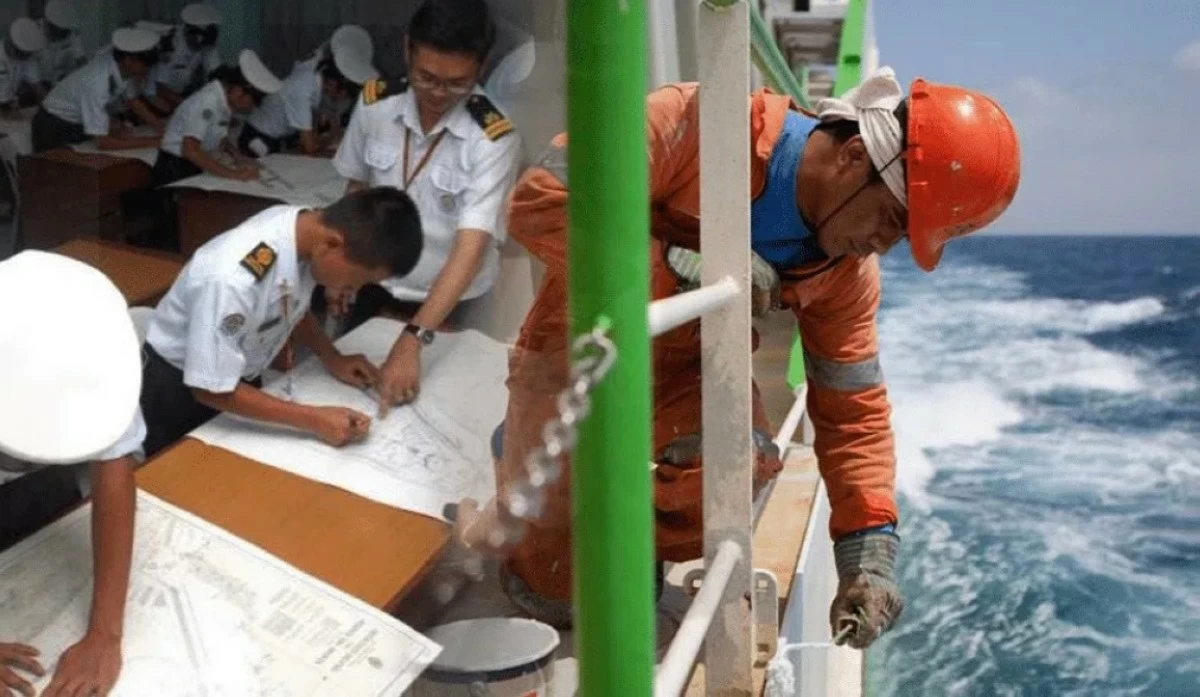
Filipino seafarers (Photos from the Maritime Industry Authority)
Philippine Permanent Representative to the United Nations in Geneva Carlos Sorreta, who led the adoption of the Manila Declaration, said in a press briefing on Tuesday, Sept. 2, highlighted the problem in the different standards of criminal law—particularly the rights of the accused—around the world.
“We have been entering into bilateral agreements with countries who have a large number of Filipino workers. Our problem with seafarers is it's very hard to have this same kind of bilateral agreement with all the port states,” he added.
“Because we're not sure where they will be abandoned or they will be criminalized. I think eventually we might do it, but I would anticipate that they would want their criminal law to apply and not waive anything in their criminal laws,” the official added, lamenting that “guilt by association” is also a possibility in other countries.
Sorreta also pointed out the tougher laws against drugs as these are considered matters of national security, sharing cases wherein Philippine representatives were not allowed access to Filipino seafarers caught with drugs in their vessels.
“We have cases where we were not allowed access, even though we knew they were there, they were saying national security,” he said.
“They said if we meet them, we will influence their swiftness. We would be tampering with the evidence, the testimonial evidence. So these are the constraints we are facing,” he added.
Sorreta said the Philippines can address these issues through the Manila Declaration and the Human Rights Resolution as “we are able to bring that into the conversation with them when we meet with them.”
“So, it becomes a tactical and strategic issue in terms of how we deal with that state on a case-to-case basis. We will deal with it case-to-case and we will devote all our time and effort at the same time creating a global framework for better attitudes to this situation, for the rights of the seafarers,” he added.
The Manila Declaration, the official explained, is a way for the Philippines “to take a step ahead” and create policies to protect seafarers’ rights.
“We're not waiting for or counting these things. We're going to do it, no matter how few or how many these cases are,” he said.