







Gov't mulls seasonal rice tariffs, says DEPDev chief Balisacan
Published Sep 3, 2025 12:48 pm


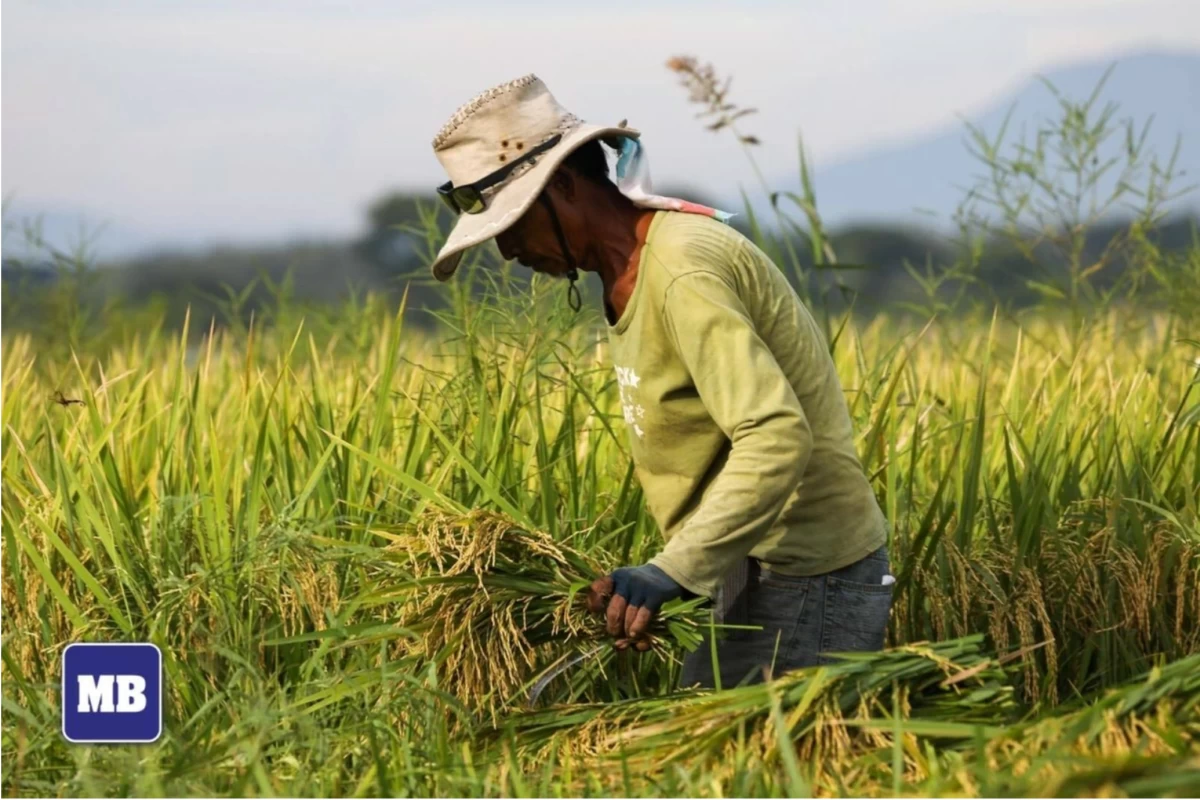
The government is considering seasonal tariffs on rice to shield local farmers during harvest, Department of Economy, Planning, and Development (DEPDev) Secretary Arsenio M. Balisacan said.
Balisacan also emphasized on Tuesday, Sept. 2, that tariffs are used as a policy tool to address various issues, such as influencing farmgate prices, helping consumers benefit from lower prices, and curbing inflation.
“At the time that we introduced the tariff reduction, food prices globally were still high,” Balisacan said. “Then it came down gradually.”
Balisacan also stressed that the policy goal is to make farming remunerative and protect farmers from a sharp decrease in farmgate prices.
“We want to make food prices affordable for consumers, especially for the poor,” he added.
Balisacan also noted that the goal is to achieve price stability, aiming for both low and stable inflation.
John Paolo Rivera, senior research fellow at state think tank Philippine Institute for Development Studies (PIDS), told Manila Bulletin on Wednesday, Sept. 3, that the seasonal tariff is a strategy aimed at stabilizing prices and boosting domestic production.
“It is a balancing strategy,” Rivera added. “When well-calibrated, it can be a pragmatic tool for managing price volatility and protecting both consumers and producers at specific points.”
Rivera stressed that the application of seasonal tariffs should rely on timely and transparent data and be guided by clear rules to prevent market distortions or rent-seeking practices.
Over the weekend, President Ferdinand R. Marcos Jr. signed Executive Order (EO) No. 93, which suspended the importation of regular and well-milled rice for 60 days, from Sept. 1 to Oct. 30, 2025.
The 60-day suspension aims to shield Filipino farmers from depressed palay prices brought about by abundant global harvests and cheaper rice imports, while allowing the local rice industry to recover and strengthen its foundation.
The Department of Agriculture (DA) reported also on Tuesday that prices of locally produced commercial rice have remained steady, while some imported varieties have seen slight increases after the 60-day import ban on the staple grain took effect.
Aside from seasonal tariffs, Balisacan highlighted another option practiced in some countries, particularly in Europe, where rice farmers receive support whenever farmgate prices drop below a certain threshold.
This would allow the government to track how farmgate prices change over time while ensuring that farmers stay competitive and continue to innovate, Balisacan added.
Balisacan said that it is also important to ensure consumers benefit from changing global prices.
(Ricardo M. Austria)