







Cleansing a nation amid a deluge of graft and rain
Published Sep 3, 2025 12:05 am
|
Updated Sep 2, 2025 06:24 pm


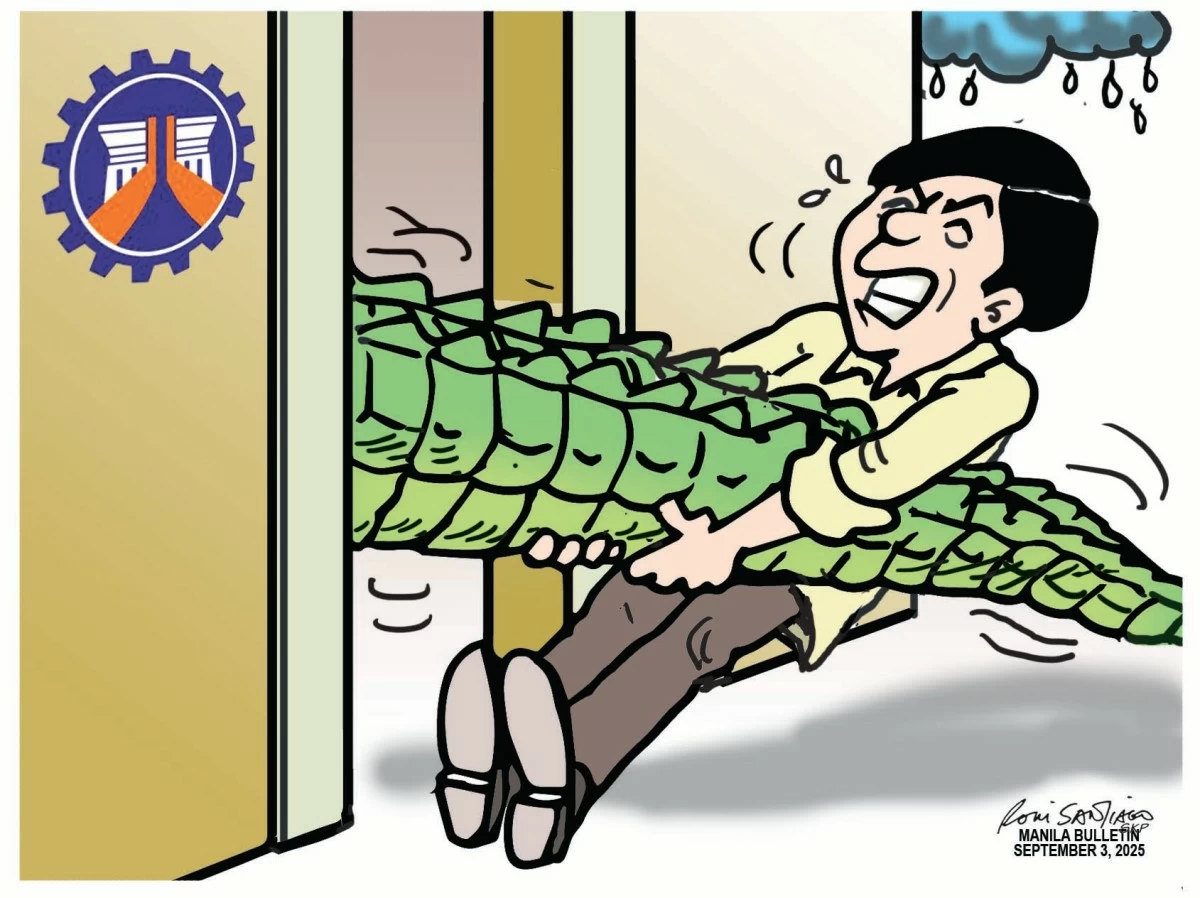
The decision of newly appointed Department of Public Works and Highways (DPWH) Secretary Vince Dizon to demand the courtesy resignation of all ranking officials in his department is a bold, long-overdue move—and one the public should applaud. For too long, the DPWH has been tainted with patronage, inefficiency, and corruption.
That the agency responsible for the most visible infrastructure projects remains riddled with irregularities—even in proposals for the upcoming 2026 national budget—is both disheartening and infuriating, to say the least. Secretary Dizon’s announcement is a necessary first step to cleanse the institution of entrenched dysfunction.
That President Ferdinand Marcos Jr. himself has acknowledged the rot in the system, and is finalizing an executive order to create an independent commission to investigate anomalies at the DPWH, is both timely and urgent. It is a rare show of political will in a landscape often defined by bureaucratic red tape and selective accountability. The President is correct in pushing for a specialized, independent body—one that must operate beyond the ambit of political pressure, and with full prosecutorial backing.
Complementing this executive initiative is the ombudsman’s creation of a special panel to investigate anomalous flood control projects implemented by both the DPWH and local government units. This is no coincidence. The volume and repetition of corruption in this sector have become so flagrant, they are no longer isolated incidents—they are systemic failures.
Equally crucial is the Department of Trade and Industry’s (DTI) move to overhaul the Philippine Contractors Accreditation Board (PCAB), the gatekeeper of contractor legitimacy. When accreditation is treated as a rubber stamp instead of a rigorous vetting process, incompetence and collusion thrive. A clean-up of the DPWH without a corresponding cleansing of the contractor pipeline is merely cosmetic.
Then, there are inquiries conducted separately by the House of Representatives and the Senate.
All these steps are crucial and necessary steps vital in washing away systemic corruption in the implementation of flood control projects.
However, these commendable measures toward accountability must not distract from the other urgent crisis: the inadequacy of the country's current flood control system in the age of climate change. On Aug. 30, Quezon City experienced 121 millimeters of rainfall in just one hour—far exceeding the hourly rainfall during 2009’s Tropical Storm Ondoy, which was 90 mm. Drainage systems were overwhelmed under the deluge, proving that our communities remain dangerously unprepared.
More than the funds lost to unscrupulous individuals, corruption in flood control projects is about lives put at risk, homes submerged, traffic paralyzed, and productivity lost. Investigations must be accompanied by the formulation and implementation of a comprehensive, science-based national flood control master plan. Piecemeal projects, disjointed planning, and substandard execution must end. We must treat urban flooding not as an annual inconvenience, but as a national security threat exacerbated by climate change.
The confluence of investigations—from the DPWH leadership shake-up to the reform of contractor accreditation—offers a rare window for reform. But this opportunity is as fragile as it is promising. Public attention must not waver. Transparency in these investigations must be non-negotiable. Resignations and criminal prosecutions must follow where guilt is found. And beyond rooting out the rot, the government must rebuild—smarter, stronger, and with foresight.
More than cleansing the bureaucracy, the efforts being undertaken by President Marcos, Secretary Dizon, the Office of the Ombudsman, and the DTI as well as the two houses of Congress is about keeping communities safe, being climate resilient, and restoring public trust. The government has taken the first courageous steps. It must now go all the way until all erring individuals are held accountable and a robust drainage system that can adapt to climate change is in place.