








At A Glance
- Budget Secretary Amenah Pangandaman said the budget for the Department of Public Works and Highways (DPWH) could be reduced if it figures some of the agency's proposed projects will no longer be needed, as a two-week timeline is set to revisit the DPWH budget following President Marcos' order.
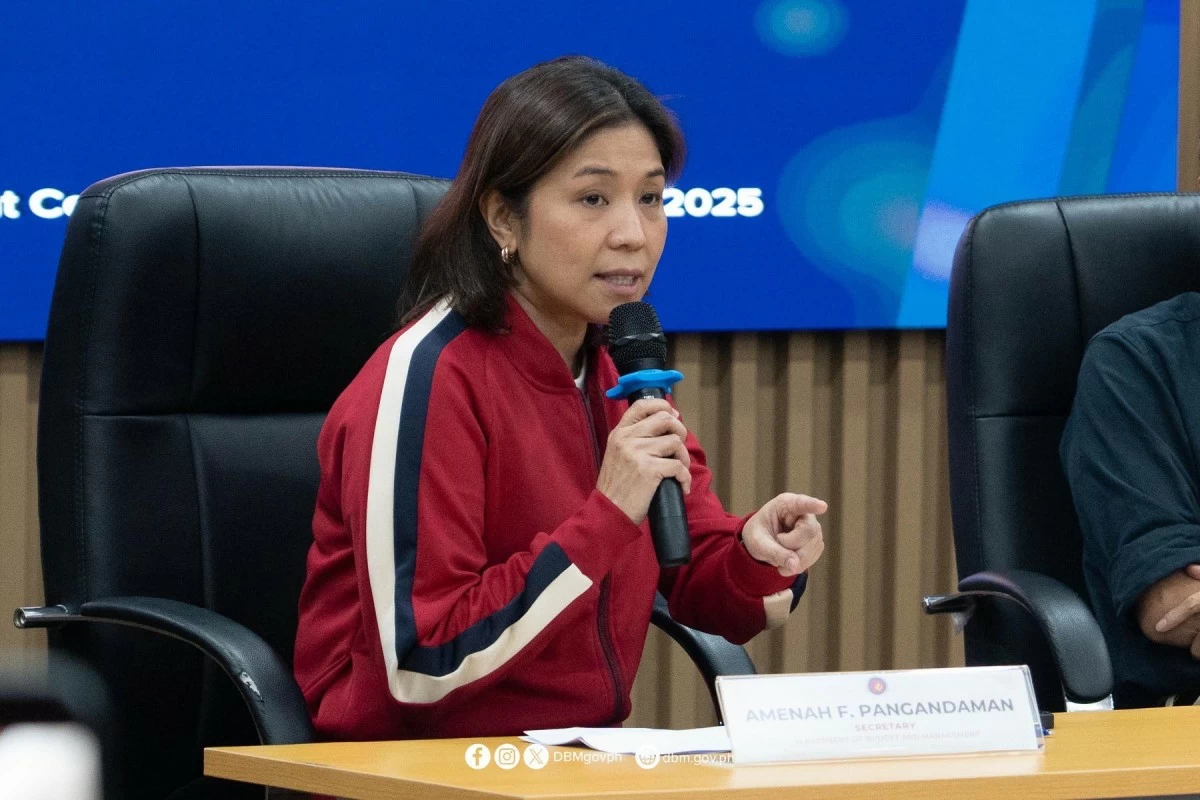
Budget Secretary Amenah F. Pangandaman
Budget Secretary Amenah Pangandaman said the budget for the Department of Public Works and Highways (DPWH) could be reduced if it determines that some of the agency’s proposed projects will no longer be needed, as a two-week timeline has been set to revisit the DPWH budget following President Marcos’ order.
“The only budget being discussed is that of the DPWH. It depends on the DPWH—if they determine that some projects are no longer necessary, their budget may be reduced,” Pangandaman told a joint press briefing on Wednesday, Sept. 3.
For his part, newly minted DPWH Secretary Vivencio Dizon said the agency agreed with Pangandaman to complete the budget review within two weeks at most, noting the need to pass the national budget on time.
“I have already given all the issues to the DPWH, and I’m sure all of them will be addressed by the DPWH moving forward,” Pangandaman said.
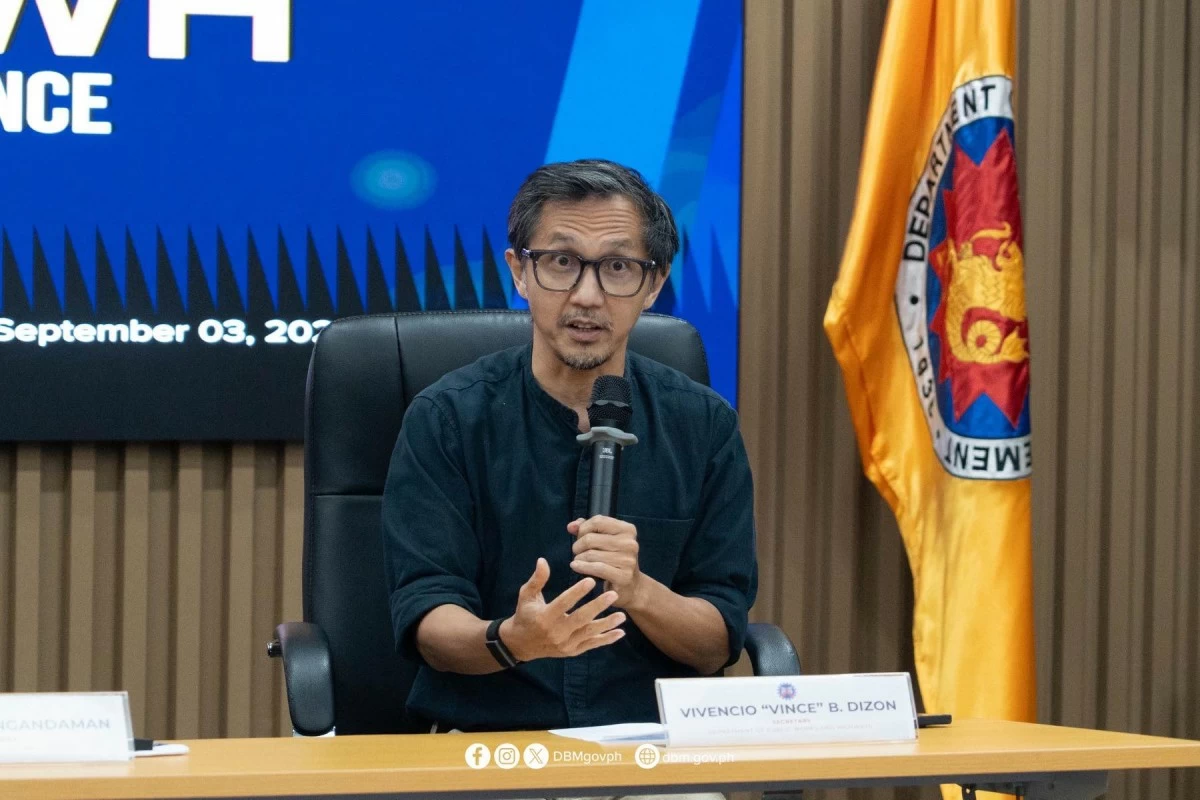
DPWH Secretary Vince Dizon
Dizon vowed a thorough review of DPWH projects, noting that red flags will be removed, such as deletion of duplicate entries from the project list after due process. He said consultations with regional and implementing units are needed to ensure proper revisions and transparency.
“We need some time for that. But I think it must not go beyond two weeks because we need to follow the budget timeline,” Dizon argued. For the new DPWH chief, the guiding principle in reassessing next year’s proposed budget is to ensure that projects can be started and substantially completed within 2026.
To ensure that sufficient safeguards are in place during the two-week timeline, the DBM plans to utilize technology to flag duplications and other irregularities, while the DPWH is expected to enhance its internal planning and project identification processes.
Pangandaman said the general appropriations act (GAA) follows the same process as a regular bill, with Congress deciding whether to pass, reject, or delay it. To note, the budget review was prompted by issues raised in Congress and the Senate.
“We have two weeks, or possibly earlier—we might be able to finish sooner. I think with the new leadership here, they can complete the budget review process,” Pangandaman said.
“So we will send [Congress] the new list, including the changes that will be made. We think that would be an easier process and procedure than going back and forth like that. Because it has never happened before—and since it has never happened, it might even escalate elsewhere,” the Budget chief said.
Despite congressional break from Oct. 4 to Nov. 9, Pangandaman said the budget timeline remains on track, noting there is still enough time in the session calendar to complete deliberations.