






Manila Bulletin
 Spotlight Features
All I Want for Christmas Is You: The making of a classic holiday song
Spotlight Features
All I Want for Christmas Is You: The making of a classic holiday song
Spotlight Features
All I Want for Christmas Is You: The making of a classic holiday song
All I Want for Christmas Is You: The making of a classic holiday song
Published Sep 3, 2025 05:38 pm


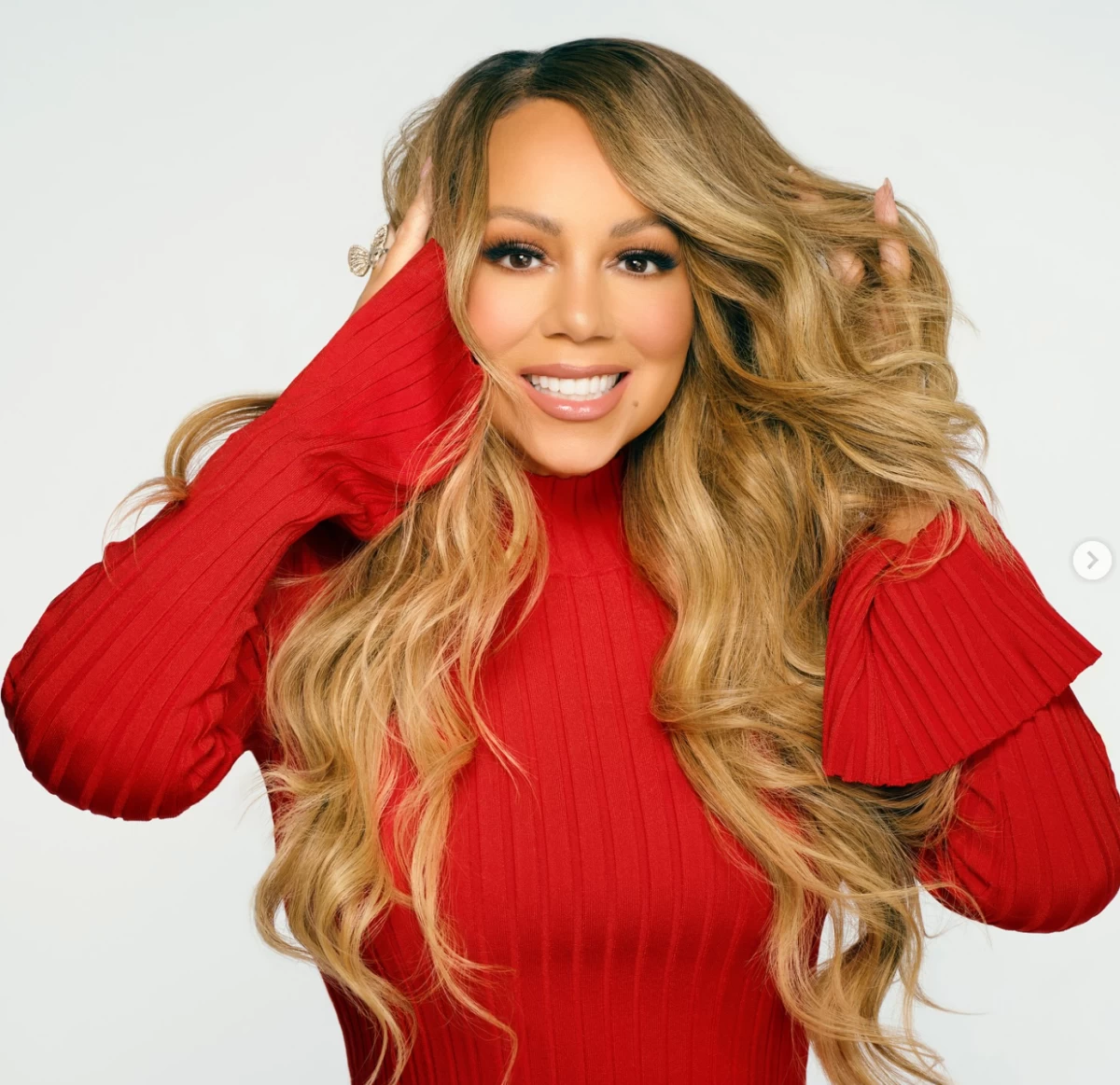
Mariah Carey in 2024 (Images from Instagram)
As September arrives, a captivating magic fills the air for many Filipinos, marking the official start of the beloved holiday season. This time of year, known as the 'ber' months, brings a vibrant sense of excitement and anticipation.
Twinkling lights begin to adorn shopping malls, and the cheerful sounds of Christmas carols fill the air throughout neighborhoods. The spirit of celebration awakens hearts, uniting families and friends in a warm embrace of joy and togetherness as they eagerly await the upcoming festivities.
The approaching Yuletide season can be felt all around us through festive Christmas songs, such as "All I Want for Christmas (Is You)" by Mariah Carey.
Often called the Queen of Christmas, Mariah knows that her Filipino fans start celebrating Christmas as early as September by playing her famous Christmas song.
In September 2024, Mariah kicked off the Christmas season with her Filipino fans. “Philippines, it's time (only for you!!) I hope you're all safe and well. Let’s celebrate together,” wrote Mariah in the caption.
Mariah, 56, shared a website dedicated to the Philippines, which includes links for fans to play her song "All I Want For Christmas Is You."
In early October 2024, the Grammy-winning artist shared another post related to her song. This time, she said that it was too soon to start celebrating Christmas around the world with "All I Want for Christmas Is You."
On social media, Mariah shared a post related to her hit song. "This is your captain speaking; welcome aboard, Mariah! We are headed for the North Pole," said the voice-over as the intro to her holiday song rolled in. Then Mariah said in a whispering voice: "They always rush me." Mariah captioned her post: "To those asking ... Not yet!!!"

The album cover of 'Merry Christmas' by Mariah Carey, which was first released in 1994.
In November of that year, Mariah signaled her fans to start holiday celebrations worldwide with a music video for her classic holiday song.
"All I Want for Christmas Is You" now holds the record for the biggest Christmas song of all time in terms of sales, streaming, and radio airplay.
In December 2024, the song set a record for holiday music by surpassing two billion streams on Spotify.
Additionally, in early December 2024, the song made a historic return to No. 1 on the Billboard Hot 100, achieving a total of 16 non-consecutive weeks at the top.
By the end of that year, "All I Want for Christmas Is You" became the first holiday song to reach No. 1 for an unprecedented 18 weeks.
Released in 1995, the song written by Mariah and Walter Afanasieff first appeared on the Billboard Hot 100 chart in January 2000.
After 19 years, the song finally hit No. 1 for the first time in November 2019. The popular tune was lifted from Mariah's Christmas album "Merry Christmas."
According to Billboard in 2017, Mariah wrote the song “basically as a kid on my little Casio keyboard.”
In the 2019 Amazon documentary "Mariah Carey Is Christmas: The Story of 'All I Want for Christmas Is You,” the singer gave a similar account.
“Actually, I put on It’s a Wonderful Life downstairs, you could hear it throughout the house, and I went into this small room, and there was a little keyboard in there, and I started playing,” she said.
Nearly 31 years after the classic tune's release, Mariah admitted she had no idea the song would become successful.
"It's amazing. I just wrote it out of love for Christmas and Christmas music. When I wrote it, most people didn't do Christmas songs until the end of their careers. But I love Christmas so much, I wanted to put every bit of what I love into a song. It has become so anthemic. It is probably my most famous song," said Mariah on the Mariah Network.
Mariah reminisced about the fond memories she had of Christmas during her childhood.
"I always wanted Christmas to be perfect and looked forward to the holidays, but I had this incredibly dysfunctional family that would ruin it. Not my mom. She would try to make it fun. But we didn't have a lot of money, so sometimes she would wrap up fruit because it was all she could afford. I was like, “When I grow up, I am never going to let that happen. I am going to make Christmas perfect every year.”
Asked about her ideal Christmas, Mariah said, "I'm a New Yorker and New York is a great place to be at Christmas, but I usually go to Aspen [Colorado], because we are guaranteed snow. Santa Claus comes, and there's a sleigh with real reindeer. We do a sleigh ride where everybody sings Christmas songs. It's mainly the classics, but we do “All I Want For Christmas Is You” too, just for laughs. I just love the whole time. I'm not working, I'm not on camera, and I don't have to think about anything other than just existing, giving and receiving love, and enjoying the holiday spirit."
Mariah has reportedly earned $60 million in royalties since the song's release in 1994. According to the New York Post, Mariah earns at least one cent every single time the music is played. And when the song is on repeat all around the world, those pennies add up.
With the holiday season approaching, Mariah is filled with a warm and joyful spirit, her heart dancing to the cheerful melodies that fill the air. As she revels in the magic of this time of year, there's a simple wish that shines brighter than the rest: all she truly wants for Christmas is you.
Mariah is also set to return to Manila for a concert dubbed "The Celebration of Mimi" at the SM Mall of Asia Arena in Pasay City on Oct. 14.