






Manila Bulletin
 Lifestyle
Parenting
10 common baby care myths Filipinos still believe—and what a pediatrician says about them
Lifestyle
Parenting
10 common baby care myths Filipinos still believe—and what a pediatrician says about them
Lifestyle
Parenting
10 common baby care myths Filipinos still believe—and what a pediatrician says about them
10 common baby care myths Filipinos still believe—and what a pediatrician says about them
From shaving your baby's head to cutting their eyelashes, Dr. Jayeanne Bihag-Lomibao breaks down which beliefs are helpful, harmless, or potentially harmful
Published Sep 3, 2025 09:52 am


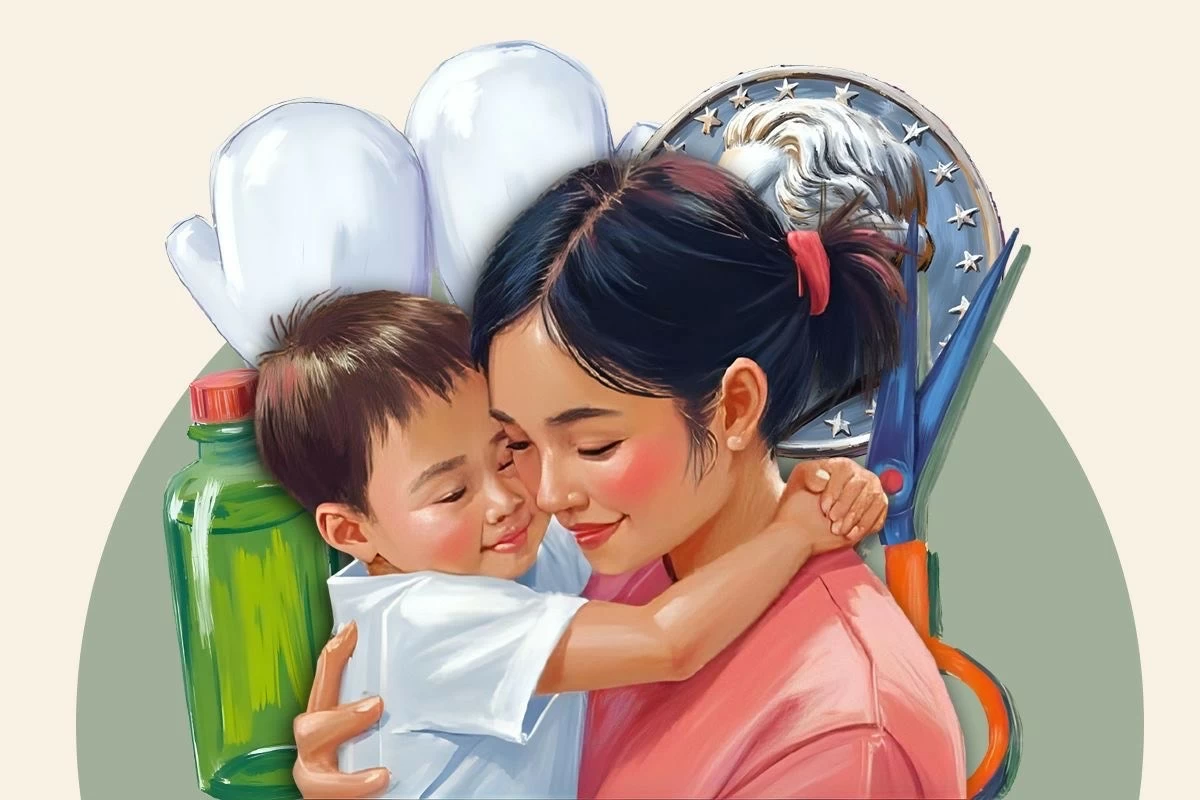
In many Filipino households, baby care often comes with a mix of love, tradition, and well-meaning advice passed down through generations. From grandparents to older guardians, these tips are usually rooted in culture—but how much of it is backed by science?
To help parents separate fact from fiction, Manila Bulletin Lifestyle asked Dr. Bihag-Lomibao, a board-certified pediatrician, to share her insights on some of the most common baby care beliefs.
1. “Shaving a baby's head makes hair grow thicker."
Hair growth is determined by genetics and the hair follicles beneath the scalp—not by shaving. Removing hair does not affect its thickness, texture, or growth rate.
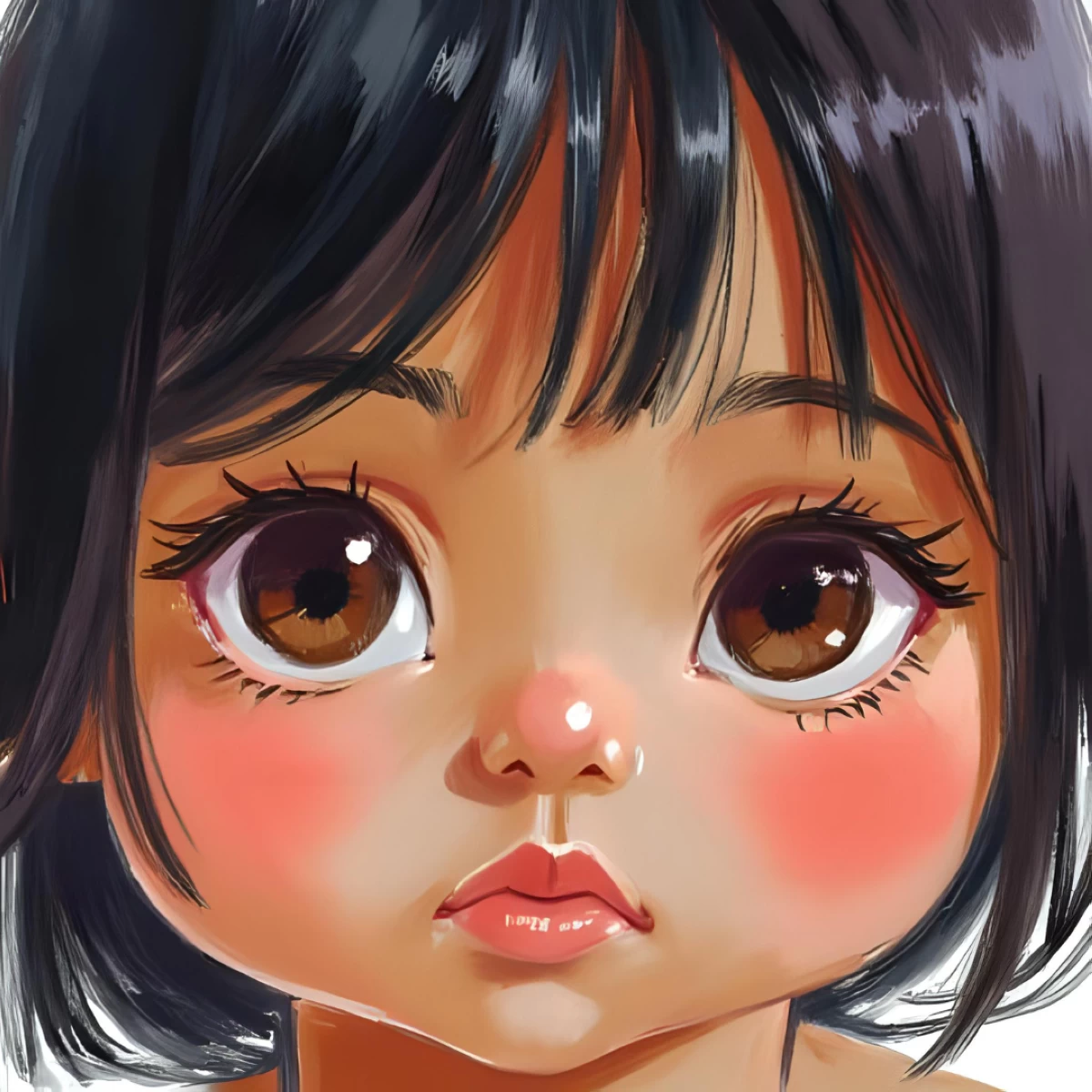
2. "Cut a baby's eyelashes so they'll grow longer and thicker."
Eyelash growth is determined by follicle activity, not by trimming. Cutting an infant's eyelashes can pose a risk of injury or infection.
3. "Avoid letting the baby go outside at night to prevent catching 'pasma'."
There’s no medical term equivalent to “pasma.” Exposure to night air or dew is unlikely to cause illness. The actual risks for a baby are more likely to stem from hypothermia or mosquito-borne infections. Occasional nighttime outings have not been shown to cause any harm.
4. "Cutting the baby’s nails early brings bad luck."
This is mainly a cultural belief without scientific basis. Keeping a baby’s nails trimmed helps prevent accidental scratches, especially as babies naturally explore and learn to use their hands.

5. "Two hair whorls mean the child will be stubborn or hard-headed."
Hair whorls reflect the genetics of scalp patterns, not a baby’s personality. Traits like stubbornness are complex and have no connection to hair patterns.
6. "Crying strengthens the baby's lungs."
After birth, the lungs expand for the first time, but here is no scientific evidence that prolonged or repeated crying in infancy strengthens lung capacity. Leaving a baby to cry for long periods may have negative effects on emotional development and the parent-child attachment bond.
7. "Teething causes high fever and diarrhea."
According to several studies, teething can cause mild irritability, drooling, gum rubbing, and a slight rise in temperature. However, it typically does not cause a true fever (above 38°C), diarrhea, or serious illness. Attributing a high fever solely to teething may delay the proper diagnosis of an underlying infection.
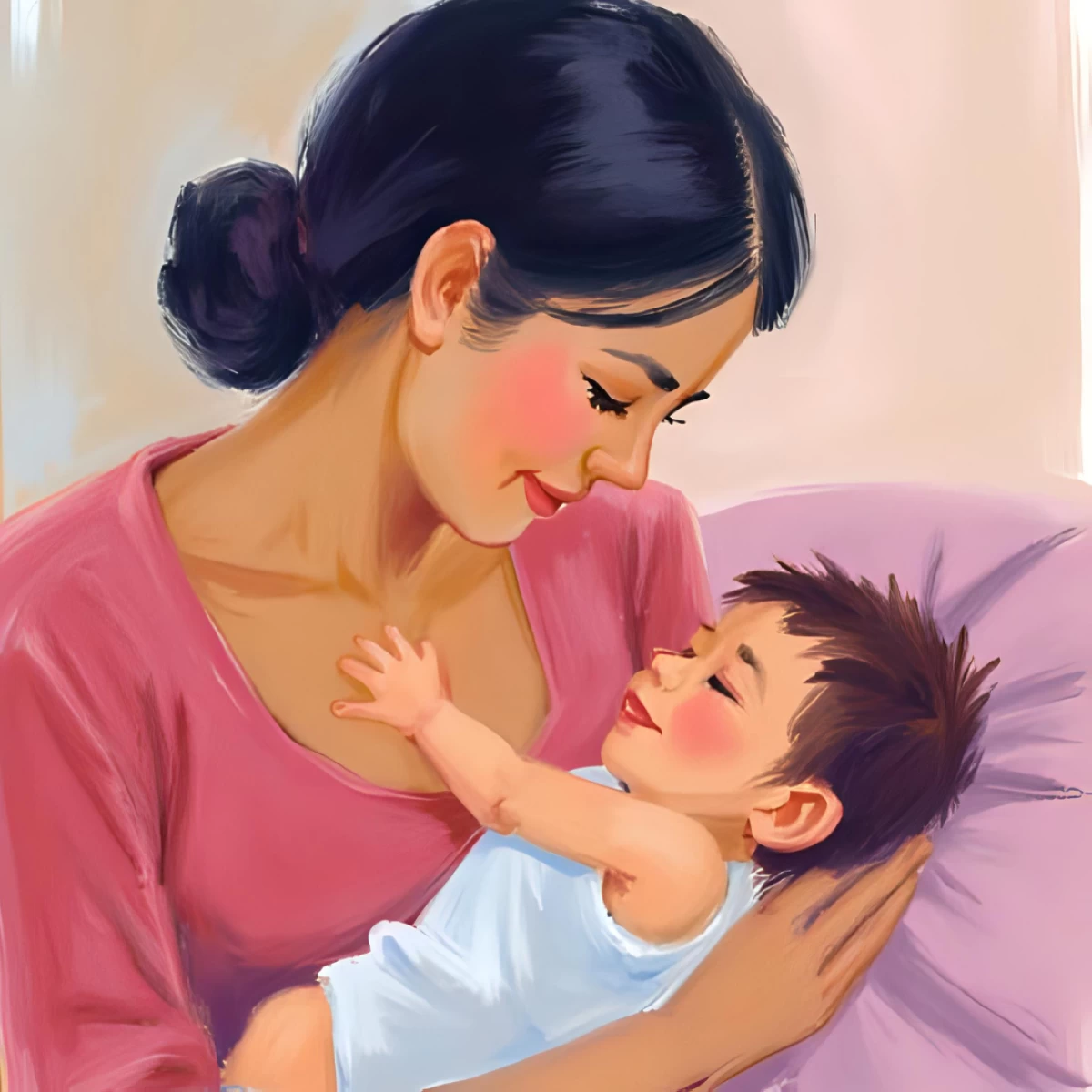
8. "A baby who bites during breastfeeding is being naughty."
Biting is often a baby’s way of relieving gum discomfort during teething. It also serves as a sensory and motor response as they explore the world around them between four and eight months old. Babies are not intentionally naughty, especially during breastfeeding.
9. "Feeding babies solid food before six months makes them stronger."
When a baby shows readiness for feeding, typically between four and six months old, small amounts of solid food can be introduced. This is especially encouraged for babies with a significant family history of atopy, as early introduction of peanuts and eggs may help reduce the risk of developing allergies. There is no scientific evidence to support the claim that early introduction of solids makes a baby stronger. It is always best to consult your pediatrician before starting solids.
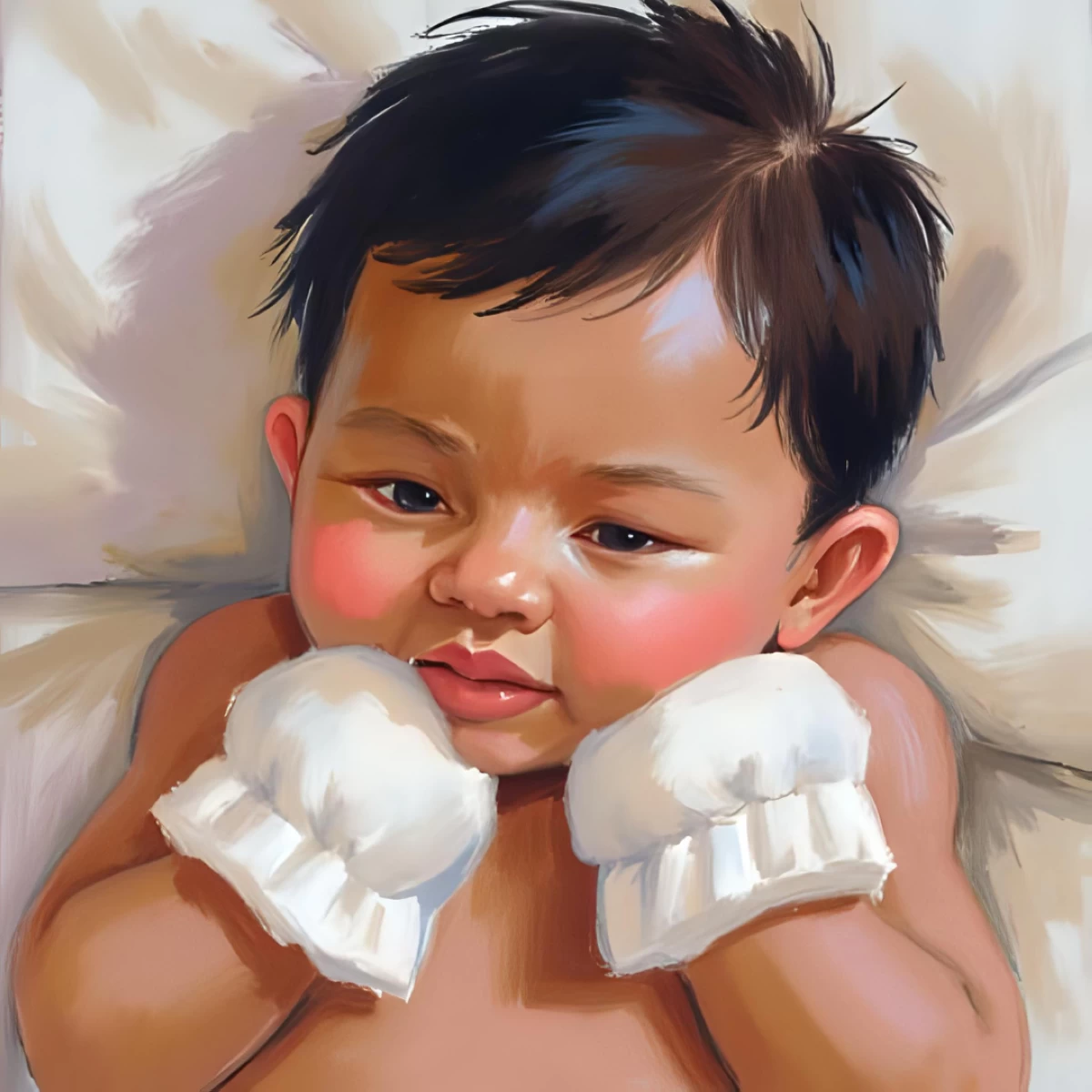
10. "Newborns should always wear mittens to prevent bad luck or illness."
Mittens are important for newborns, helping to prevent scratches from their tiny nails. This practice is usually limited to the first few weeks, gradually transitioning to regular nail care. As babies grow, mittens are discouraged to allow for sensory exploration and the development of motor skills. Ultimately, clothing choices should prioritize the baby’s comfort and safety rather than relying on chance.