






Manila Bulletin
 Property and Living
Pino Perspectives: Bayanihan as a roadmap to Philippine architecture
Property and Living
Pino Perspectives: Bayanihan as a roadmap to Philippine architecture
Property and Living
Pino Perspectives: Bayanihan as a roadmap to Philippine architecture
Pino Perspectives: Bayanihan as a roadmap to Philippine architecture
By Nicholai Go
Published Sep 2, 2025 02:21 pm


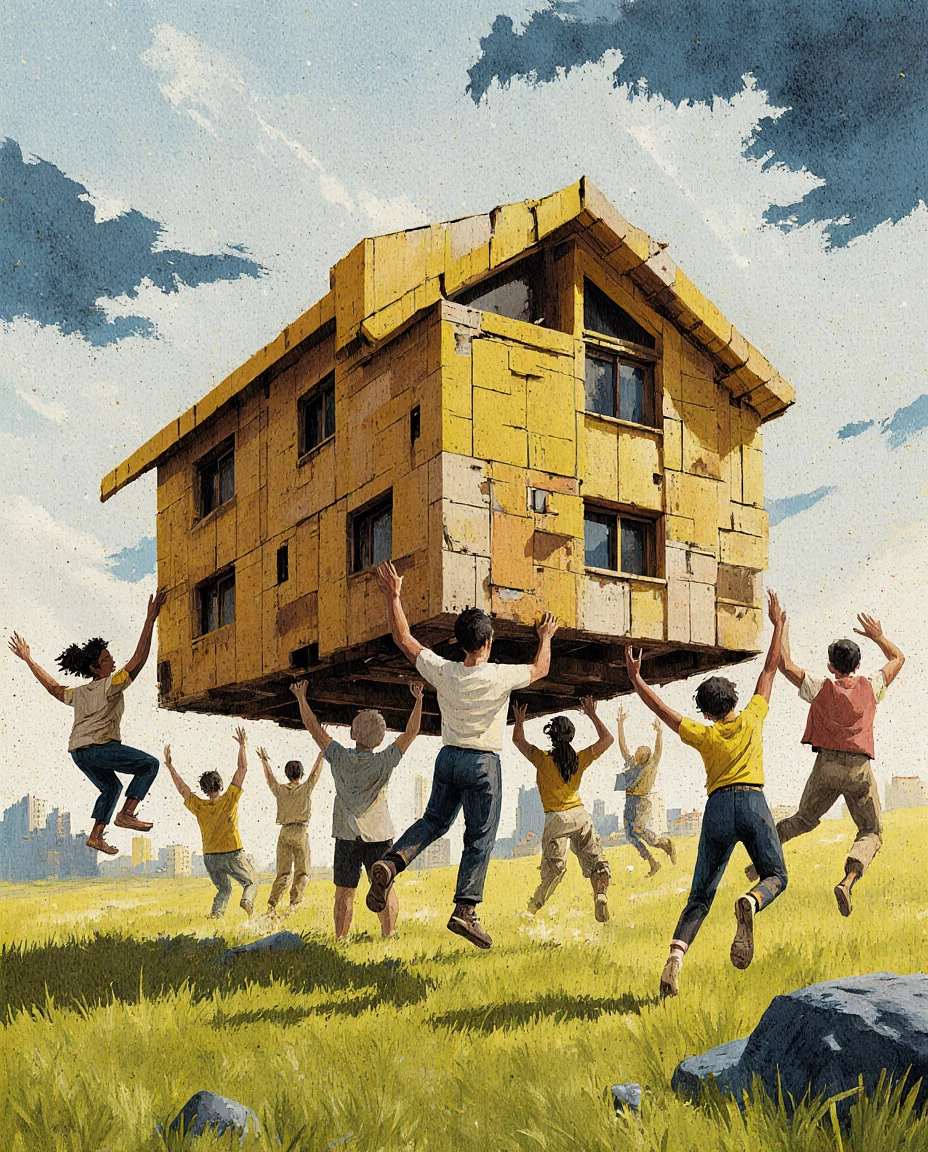
Bayanihan architecture
Bayanihan is simply translated as "Being a Bayan" which I would argue is the spirit of being Filipino and therefore Philippine Architecture. When we think of Filipino culture, one word always surfaces: Bayanihan. Most of us picture villagers carrying a bahay kubo on their shoulders, moving it together as one community. But Bayanihan is much more than a charming folk image. It is a deeply rooted Filipino cultural value that refers to communal unity, cooperation, and mutual help. It is a term that is often underappreciated when discussing Filipino architecture wherein it should actually be our main design criteria.
Prior to the Spaniards colonizing the Philippines, Filipinos used to have a vastly different concept of land ownership and building typology. Most land was communally owned as a shared resource by the barangay (village or kinship group) which was then divided and assigned by the datu (local chief) to certain families or individuals based on need or contribution to the community. This kind of land ownership model resulted in a more communal type of housing wherein there was an intricate balance between public and private life. Traditional Filipinos used to live more harmoniously with their neighbors and were part of a tight knit community that worked together for the betterment of their tribe. This is our original concept of a "bayan" wherein our concept of Bayanihan was birthed.
Bayanihan is more than an abstract term used for communal unity. It had a significant influence on pre-colonial Philippine architecture, particularly in the design, construction, and communal maintenance of homes and villages. Aside from environmental and climate constraints, Bayanihan gave birth to our Bahay Kubo (nipa hut) typology, which was constructed with the help of the entire community. Many different individuals and families would gather the materials for the house and then assemble it together. Construction was rapid and simultaneously fostered social cohesion. Architecture was both shaped by the culture and, at the same time, reinforced it.
Furthermore, these Bahay Kubo's were built on stilts and made lightweight so they could be moved by carrying the entire house together as a tribe. It influenced our architecture to be portable and flexible. Similar to our previous article on the concept of Metabolism from Japan, this mobility allowed us to adapt to environmental changes, such as flooding or soil quality shifts. Repairing or rebuilding these homes after natural disasters was rapid due to communal effort. Homes were designed and built with the same shared standardized materials and techniques, which allowed for skills and knowledge to be passed down through many generations. The spirit of Bayanihan emphasized practical, sustainable, and inclusive design wherein homes were built not for luxury, but to meet the needs of the many, reflecting its egalitarian values.
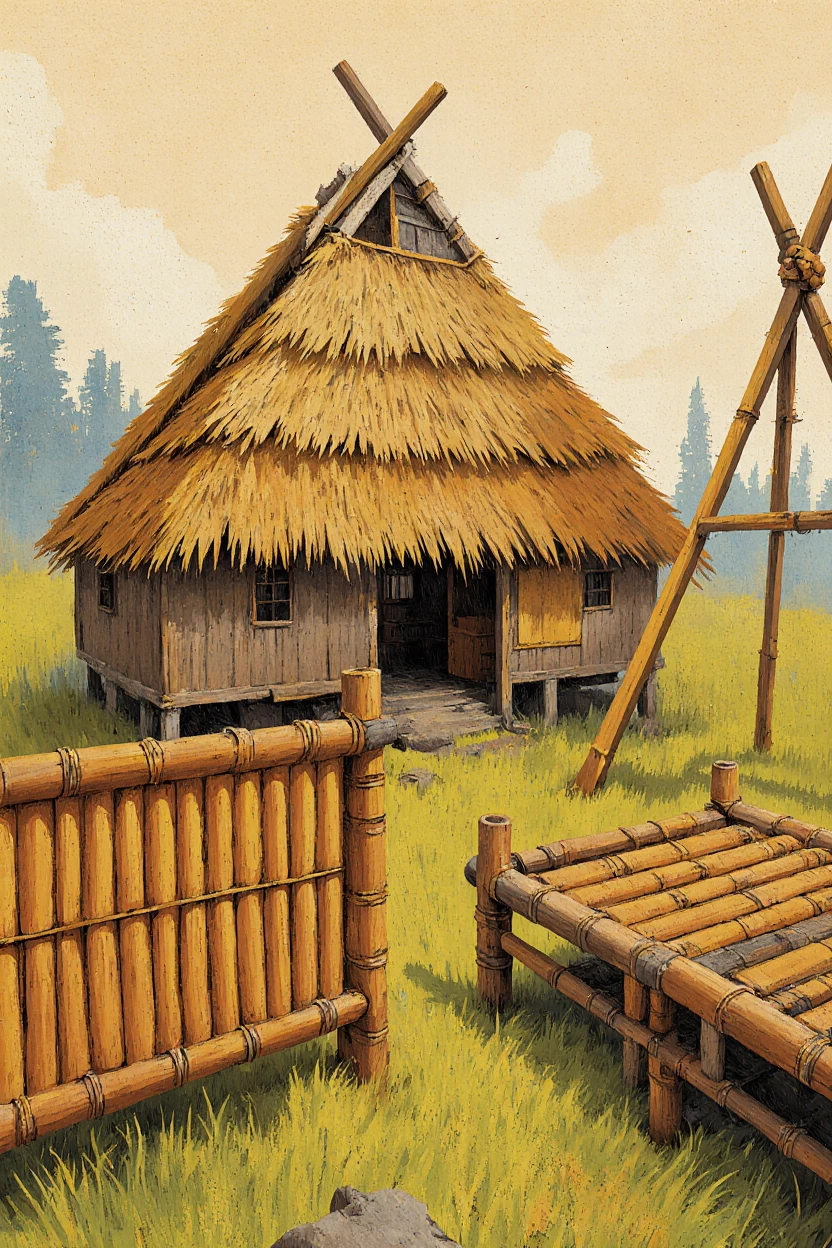
Bahay Kubo: Modular and organic architecture
Aside from influencing the architecture of our pre-colonial homes, Bayanihan also had an impact on the design of our public spaces of the past. Villages and barangay's were often planned with communal spaces like dap-ayan or liwasan where gatherings, rituals, and cooperation happened. As mentioned in our previous article on Place vs Space, these communal spaces are what gave birth to our ancestors' sense of place. These public spaces held the collective experience and memory of the entire tribe, which reinforced the spirit of Bayanihan. Since the community was mobile, their sense of place was not tied down to a geographical location but to the constant arrangement of the houses. These public spaces were highly critical as it reinforced the culture of shared responsibility and collective decision-making.
Since the Spaniards arrived, there has been a great momentum to shift away from our traditional concept of communal living. The Spaniards disrupted our indigenous land systems and replaced them with encomienda, hacienda, and later, land titling systems. Lands that were once communal or locally controlled were seized and declared Crown property. This led to widespread landlessness and social inequality. To add to that, this vast difference in the concept of housing and land ownership has caused a significant cultural dislocation and a paradigm shift, both negatively impacting us to this day. This is evident with the erosion of our practice of Bayanihan. Our concept of communal unity, cooperation, and mutual help has slowly washed away as we continue to privatize and build concrete walls to isolate ourselves from each other.
There has been a great strive to seek our own unique Philippine architecture. Some architects have utilized local materials, some have looked at passive ventilation techniques, and others have explored building on stilts to mitigate floods. While all these efforts are admirable, there is a reason we have not yet come to a conclusion as to what Philippine architecture really is. I believe that the reason we have not found our architectural identity is that we have not confronted the cultural dissonance that came with being colonized. Can we really give birth to our own unique Philippine architecture, one that is true to our nature, when we have been forced to change from our original communal nature to our current privatized and highly selfish culture?
Architecture is never only about buildings. It is about how people live together. If Bayanihan is the spirit of being Filipino, it should also be the foundation of Philippine architecture. By reclaiming it, we may not only create more resilient and humane spaces but also rediscover our identity as a people. Rebuilding Bayanihan in our homes, villages, and cities is more than a cultural gesture—it is a necessity. In doing so, we may finally give birth to an architecture that is not only functional or climate-smart, but unmistakably and authentically Filipino.