






Manila Bulletin
 Philippines
Luzon
Magalong cites good governance as Baguio celebrates 116th Charter Day
Philippines
Luzon
Magalong cites good governance as Baguio celebrates 116th Charter Day
Philippines
Luzon
Magalong cites good governance as Baguio celebrates 116th Charter Day
Magalong cites good governance as Baguio celebrates 116th Charter Day
Published Sep 2, 2025 11:04 am


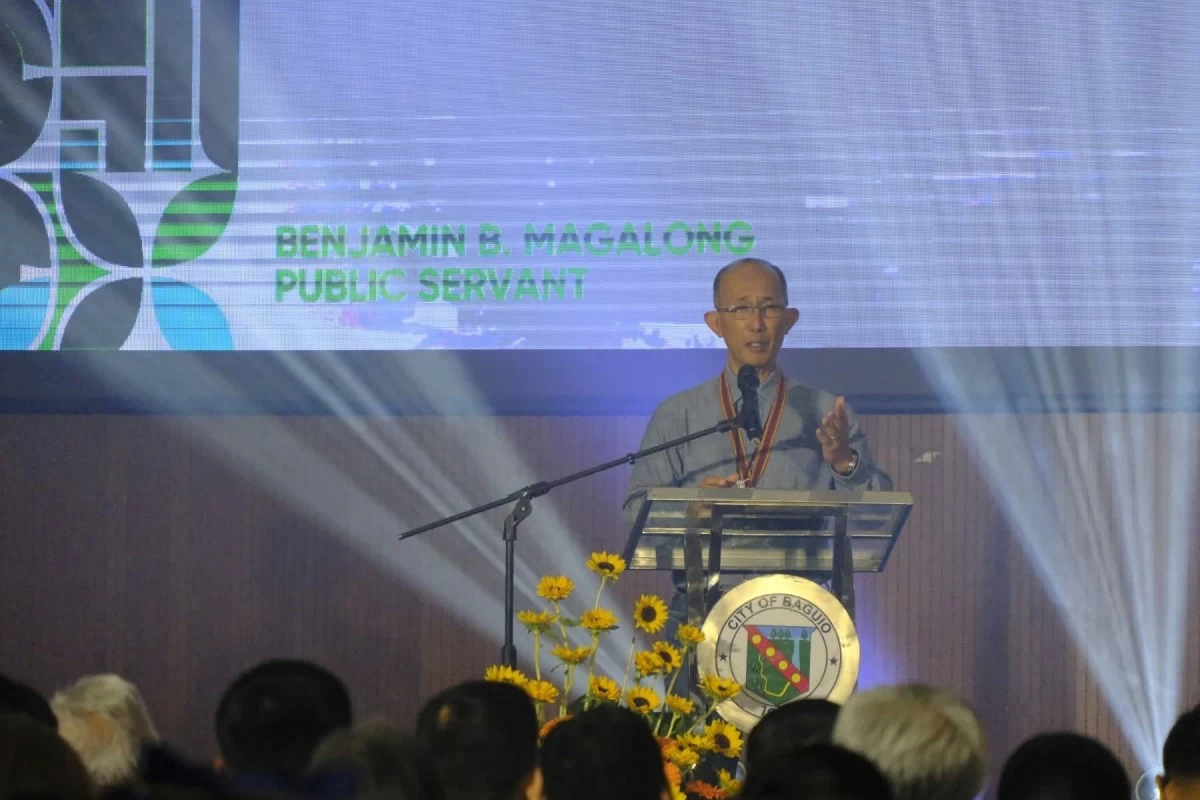
MAGALONG (FB)
"Baguio is one of the few places in the country that has remained steadfast against corruption, it is a treasure that we must preserve at all costs. Youth participation and community unity are very important.”
This was the statement of Mayor Benjamin Magalong in his State-of-the-City Address (SOCA) during the 116th Baguio Charter Day celebration at the Baguio Convention and Cultural Center on Monday, Sept. 1.
"Good governance is not the burden of one—it is the duty of all. The progress we are celebrating today is the collective strength of a community that refuses to settle for less."
Magalong stressed that progress depends on active citizenship and collective responsibility, warning against corruption that plagues other localities.
“Our advocacy for good governance cannot be done alone, if we want to fight corruption, we must unite and collectively promote and fight for it. We must educate our youth who will be the leaders of our country,” Magalong said.
He said as the city looks forward to its vision for 2043, the celebration of Baguio’s 116th anniversary is both a reminder of its rich heritage and a call to build a resilient, inclusive, and forward-looking city for future generations.
Magalong outlined strategies to address challenges and seize opportunities, highlighting resilience, sustainability, and digital innovation as key priorities for the city’s future.
He reported that Baguio, in partnership with UNDP Philippines, completed its first Voluntary Local Review (VLR) in June, focusing on the nine Sustainable Development Goals priorities.
The review showed encouraging progress in sustainable cities, climate action, education, and economic growth.
To strengthen governance, the city is also implementing the Performance Governance System (PGS), which emphasizes accountability and discipline.
Workshops with the Institute for Solidarity in Asia were held last week to align local programs with long-term goals, as Baguio prepares for a revalida assessment in December.
Part of maintaining this roadmap, he said, is finding the right partners because the government cannot do everything alone.
“This is why we embraced public-private partnerships as a way to bring in resources, expertise, and innovation while keeping the interests of our people at the center.”
"The Intermodal Transport Terminal has been approved by the City Council and is now open for competitive challenges. The Market Redevelopment Project was recently approved by the City Development Council and endorsed by the City Council, while consultations are ongoing for the Smart Urban Mobility Project. The Asin Hydro Project and Topinao Socialized Housing Project are about to enter the negotiation phase. The Creative Center proposal is under negotiation," Magalong said.
He said the top priority under the Making Cities Resilient 2030 (MCR2030) program is to enable Baguio to achieve full resilience status by 2026—four years ahead of the global target. Plans include improving communication systems for faster disaster warnings and emergency coordination.
As part of its Open Government Partnership, the city plans to use blockchain technology for government documents, including financial records, bidding processes, and infrastructure reports.
A Memorandum of Agreement with a local company is set to be signed next week to formalize the rollout, which aims to ensure transparency and prevent interference.
"Growth brings both challenges and opportunities. The question now is how we move forward together to build a resilient, sustainable, and future-ready Baguio," the mayor said.
Highlighting the city's major sustainability achievements that have garnered it global recognition, Baguio has over the past year advanced its vision for 2043 as a livable, inclusive, and creative city, anchored on a seven-point agenda.
On the global stage, Baguio is among only six cities worldwide to be honored with the 2025 Bloomberg Award for Global Tobacco Control, and previously won the Gold Seoul Smart City Award for its inclusive health governance system.