







Davao City gov't eyes rice mill, agricultural industrial zone
By Ivy Tejano
Published Sep 2, 2025 10:01 pm


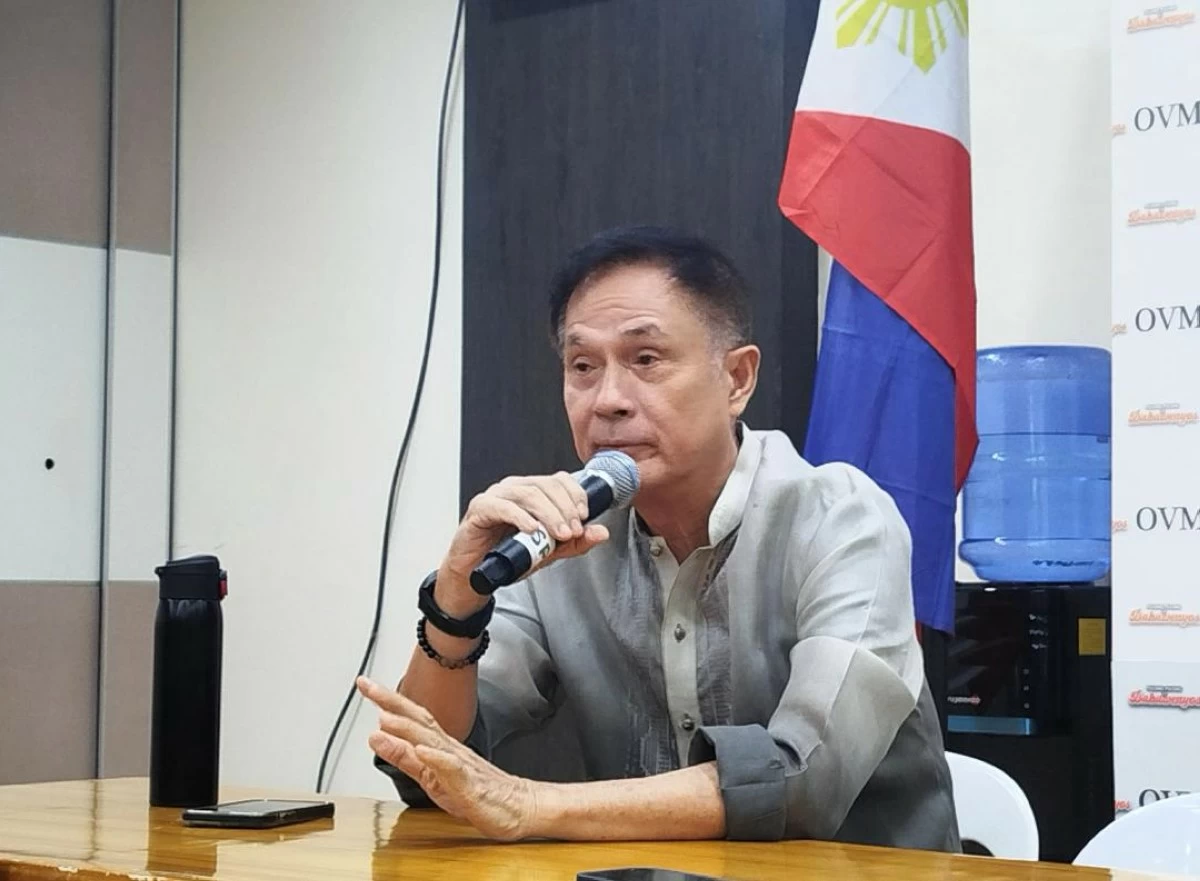
ABELLA
DAVAO CITY – This city is laying down plans for a uniform food security program anchored on a city-owned rice mill and creating an agricultural industrial zone, following a recent meeting with acting Mayor Sebastian Duterte.
Councilor Ralph Abella, chairman of the Committee on Agriculture, Aquaculture, and Food, shared this city's plans during the Pulong-Pulong sa Dabawenyos at Sangguniang Panlungsod on Tuesday, Sept. 2.
Once the plans are finalized and approved as an ordinance, Abella said, these will provide for the creation of a rice mill to be operated by the Davao City government.
Under the plans, this city will install milling machines in pilot areas or rice fields, providing farmers with equipment, fertilizer inputs, and technical support.
"Then, the city will buy their products or harvest, mill, and sell them directly to all barangays at reduced prices, without additional profit margins," Abella said.
He said that the rice mill will be established in the second district, particularly Barangay Malabog in Paquibato, due to the high number of indigent residents.
"We do not yet know how many hectares are needed. We will first determine how many hectares we have and how many kilos the farmers can produce. Then we will acquire the needed milling capacity," he said.
Abella said that they cannot finalize the cost of the rice mill until production data is available. He added that the City Agriculture Office is still researching capacity and potential sites.
"The most important thing is to establish a uniform food security program," he said. "People will enjoy lower prices as we will include no cost or profit in the selling price at the barangay level."
The councilor said the city is planning to acquire a 25-hectare property in Toril District to be developed into an agricultural industrial zone. He said that five hectares are being rented at present.
"When I was a councilor in 2019, the property was worth around P200 per square meter, but that was during the pandemic when there were no buyers," Abella said.
"Now, we are renegotiating the price. After initial approval from the then Mayor now Vice President Sara Duterte, the land owner stopped the sale because they did not want to sell the lot anymore," he said.
Abella said the owner is now willing to receive a letter of intent following their recent negotiation. "As a businessman, establishing an agricultural industrial zone would be much better."
Management plans for the agricultural zone are still in the early stages. "We met with Mayor Duterte just two weeks ago, and he instructed us to prepare a feasibility study."
Abella revealed that several investors are showing interest, provided the presentation is strong and the basics such as electricity, accessible roads, available trucks, and manageable traffic conditions are in place.
He said the committee has yet to prepare a feasibility study, but the envisioned zone would focus on high-value crops, such as cacao, durian, and coffee.
The committee is drafting an ordinance with the agriculture office to set a maximum of five crops to prioritize. We are currently looking at cacao, durian, and coffee as the three main crops, Abella said.
Abella said plans are underway to establish nurseries and greenhouses in the second and third districts, where farmers will learn to propagate seeds into seedlings instead of receiving seedlings outright.
He said they are considering additional nurseries for less common fruits such as caimito, duhat (lumboy), and even local varieties like mansanitas.
For rice, Abella said nurseries will be set up near milling facilities so that farmers will no longer need to source seeds from distant suppliers. He added that they will propagate ordinary and special rice seedlings.
Abella said the planned uniform food security program includes upland rice propagation for Lumad communities. He emphasized that the city is firmly committed to implementing the program.
"We want affordable rice and crops for the people, while at the same time strengthening our local farmers and securing long-term agricultural growth," Abella concluded.