






Manila Bulletin
 Spotlight Features
After 79 years, still looking forward to reuniting with his family
Spotlight Features
After 79 years, still looking forward to reuniting with his family
Spotlight Features
After 79 years, still looking forward to reuniting with his family
After 79 years, still looking forward to reuniting with his family
Published Sep 2, 2025 09:43 am


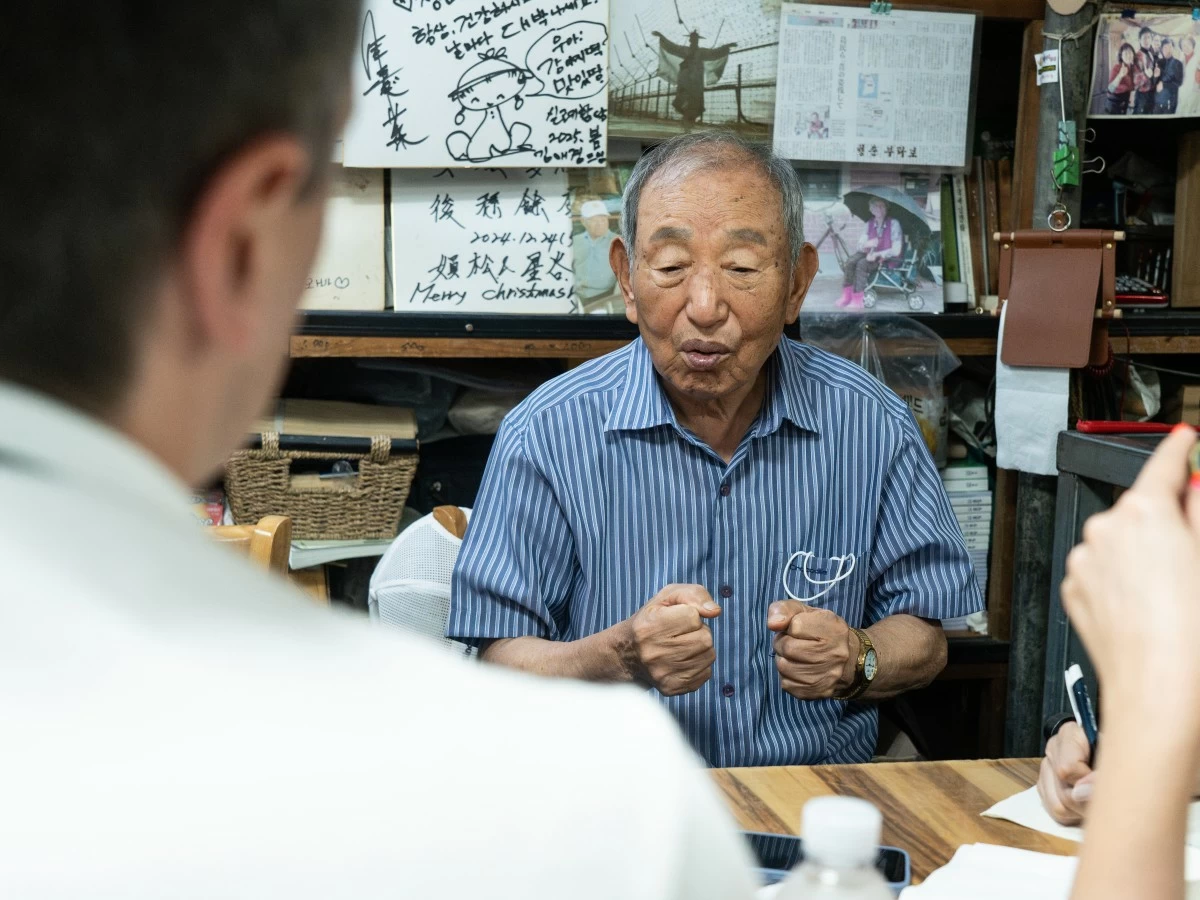
CHAE JAE EOK
GYODONG ISLAND, South Korea — Chae Jae Eok, 94, hasn’t met his family for 79 years now although they live just across this island. They are in North Korea, the most secretive place on earth.
He wants to meet them just to know if they're now able to eat well or if they still experience the same hunger that he had fled from many years back.
That could be his one last simple wish so he could say he has lived his life fulfilled and happy.
“When a person is born, it is only natural for him to pursue happiness,” Chae told a group of foreign journalists who visited this island.
“And it can only be pursued when there is enough food to eat at a household, and when your family is at peace,” he said through an interpreter.
Chae moved from North Korea to the South in October 1946 when the Korean Peninsula was divided. The division came after Korea's liberation from the Japanese empire, when the Soviet Union-backed North and the US-backed South did not yield their respective controls.
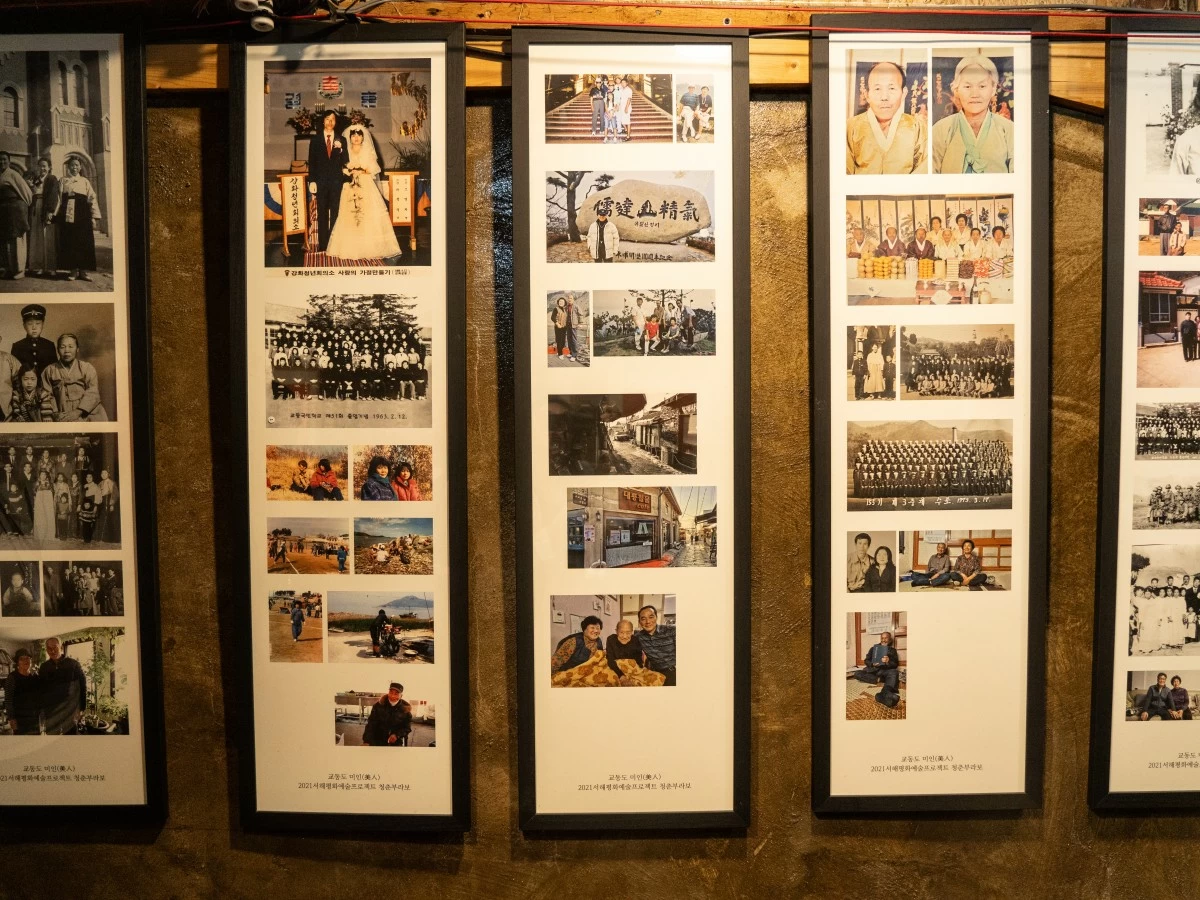
A PHOTO showing generations of North Korea defectors now living in the South.
In the North, the Soviet Union introduced Kim Il Sung to become the leader of the Provisional People’s Committee for North Korea in February 1946. And under his leadership, “he pushed for a quite different policy,” Chae observed.
“When Korea was finally liberated, everyone thought we did not have to give rice to Japan, and therefore, we would not be very hungry so much,” he said. But that didn’t happen.
Chae said North Koreans were expecting Kim to boost local rice production, but the leader rather pushed for coal production and distribution.
And the little harvest that farmers had by that time was not even divided among the people. It was given to the regime.
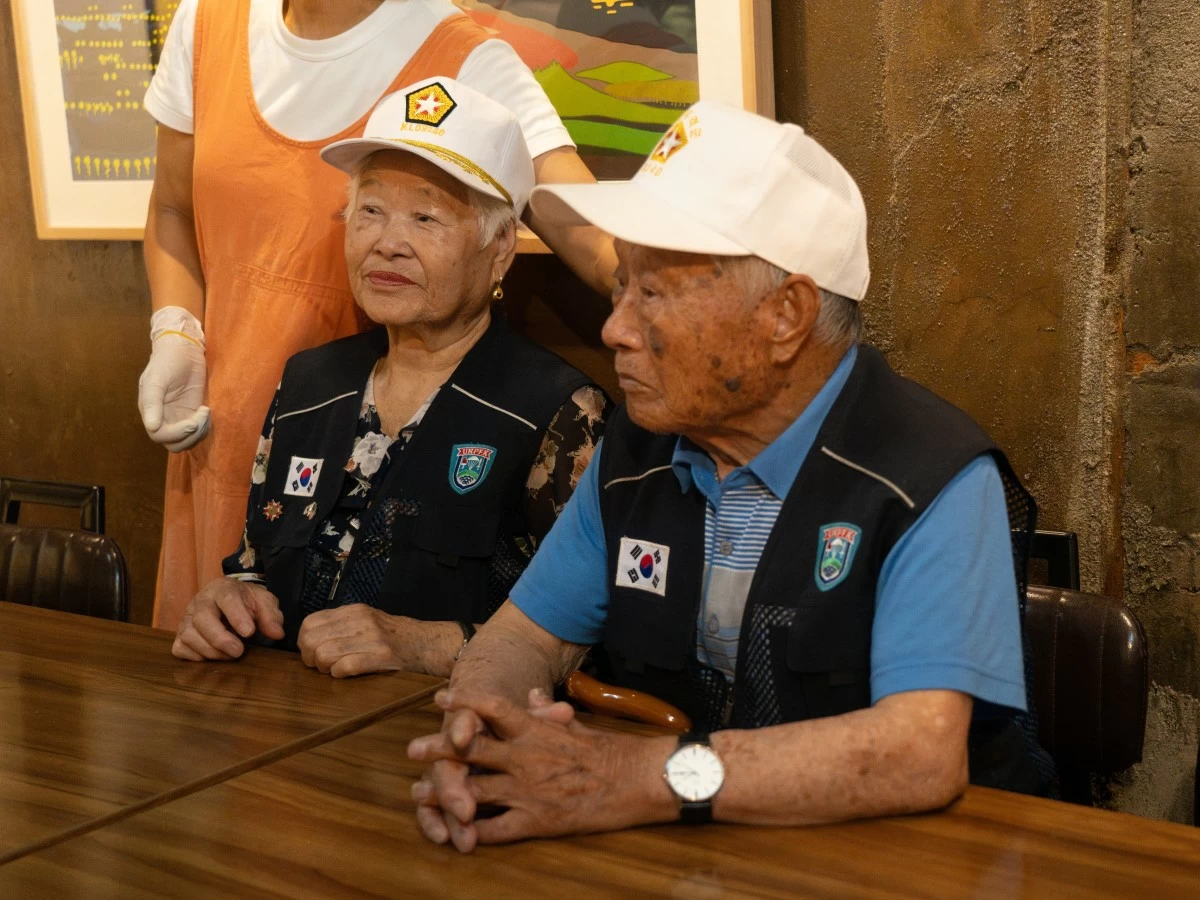
ELDERLY COUPLE Kim and Min
“From my memory, one of the biggest pains of the war is directly related to starving. And for a human being to live on it, eating is the most basic desire that needs to be fulfilled,” he said.
“It was a very difficult time for me to live in North Korea, and that's why I decided that I had to move," he added.
The harsh conditions that Koreans living in the northern part of the peninsula also prompted elderly couple Kim Cheong San, 95, and Min Ok Sun, 91, to defect to the South when the Korean War broke out.
The war erupted when Joseph Stalin, leader of the Soviet Union, allowed Kim in 1950 to attack the South upon the backing of Mao Zedong, former chairman of the Communist Party of China (CCP).
Just 10 days after it happened, Kim moved to the South. "We heard gun fires... So at that time, we had no choice but to flee," he said.
While Min, a war veteran, decided she must settle in the South after serving as a spy in the North.
"I was caught by the North Korean Army... I just said that I was a North Korean and my husband was a high-ranking official, so they let go of me. After that, I took a small boat and came back to my house," Min said.
Reunification
Eighty years have already passed since the Korean Peninsula was divided and two different political entities were already established. But there remain hopes for the two Koreas to be once again united—both at the government level and by the locals.
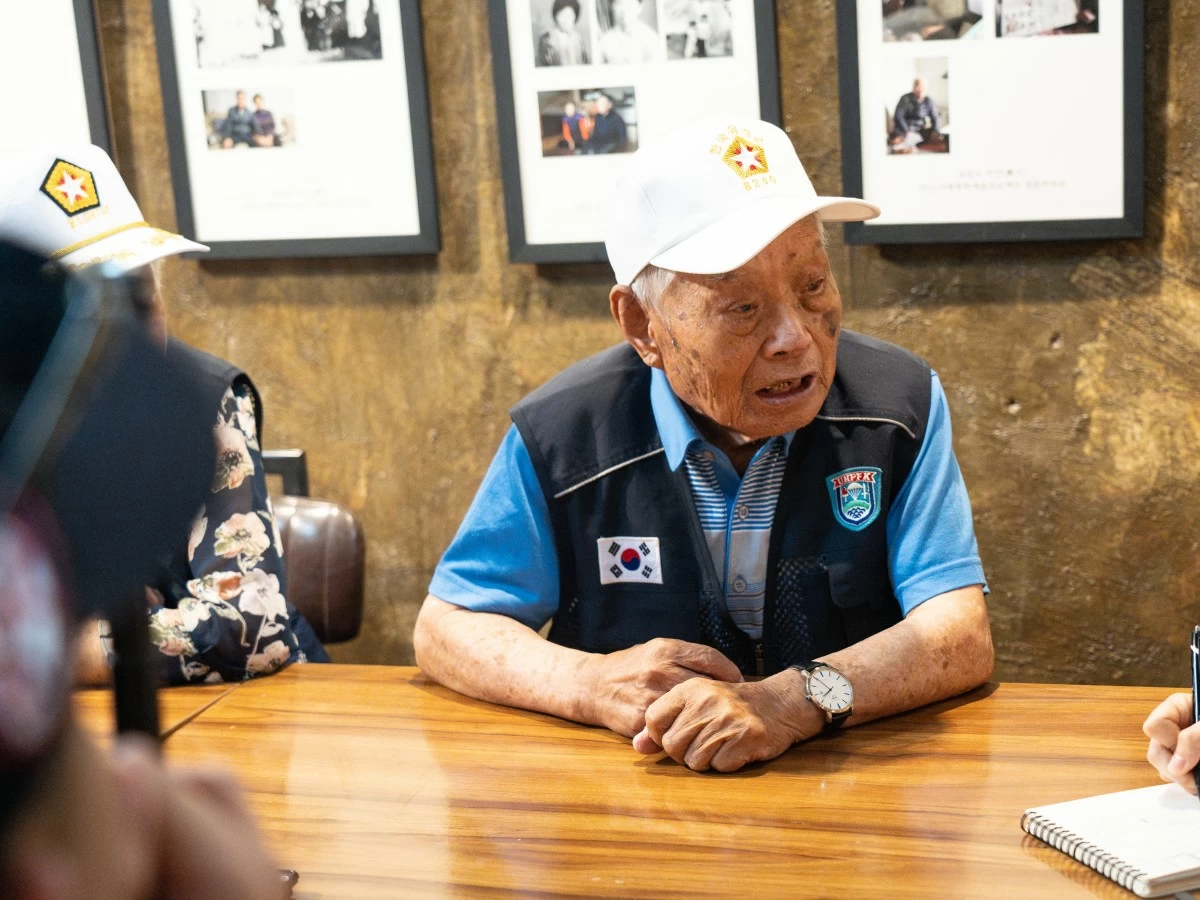
KIM CHEONG SAN
In 2018, South Korean President Moon Jae-in and North Korean Supreme Leader Kim Jong-un signed the Panmunjom Declaration—one of several agreements the two Koreas had in relation to reunification.
The recent declaration stated that there would be no longer war and a new era of peace had opened on the Korean peninsula.
Their agreement also declared, among others, that the two Koreas will achieve comprehensive and epochal improvement and development, thus relinking "the severed blood vessel of the nation and bring earlier the future of common prosperity and independent reunification."
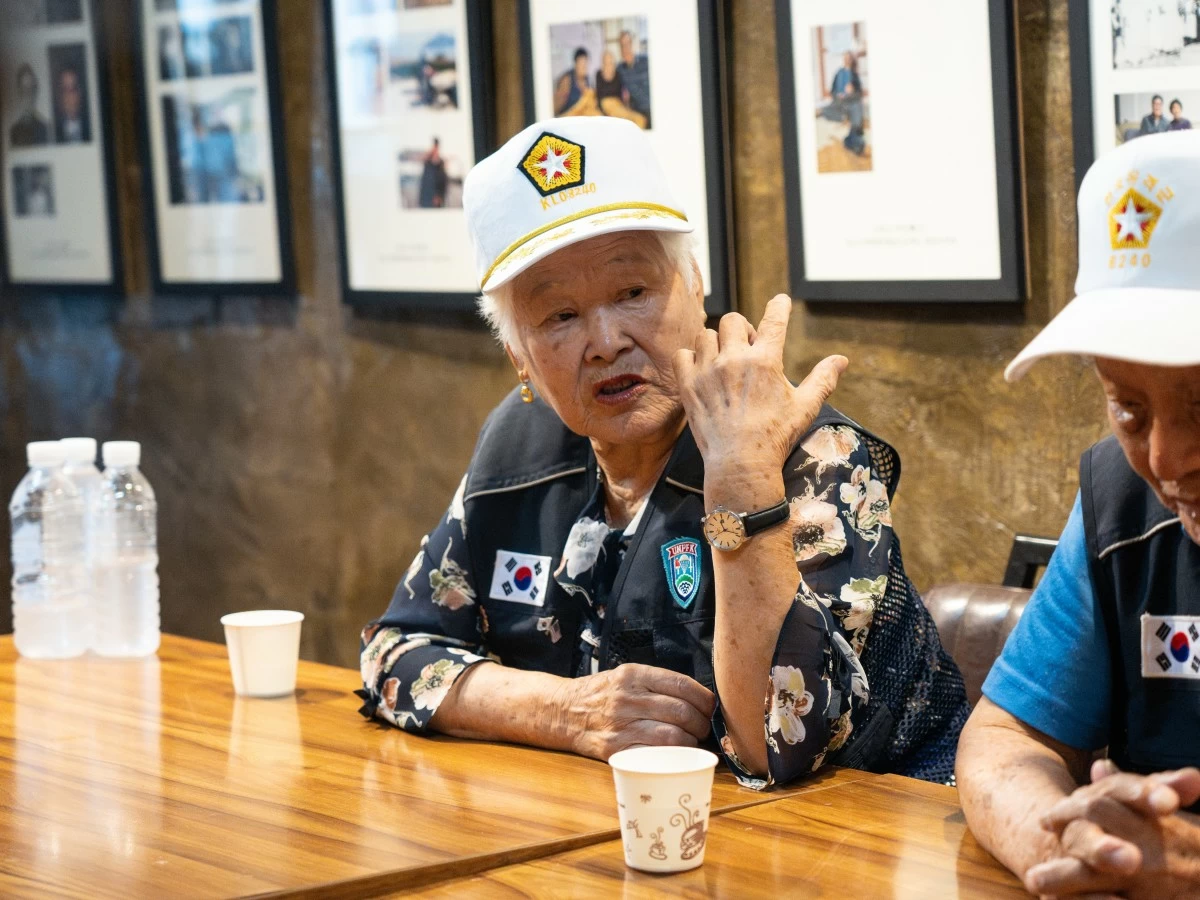
MIN OK SUN
Just like the two governments, Chae, Kim and Min also want to see a reunified Korean Peninsula. They believe South and North Koreans "come from one roof," that's why "it's important to reunify."
But came 2024, when there was an unprecedented shift of stance on the said reunification, particularly by North Korea.
During the annual plenum of the ruling Korean Workers' Party, Kim announced changes in its policy regarding reunification, which ordered the removal of the Monument to the Three Charters for National Reunification, a symbol of the peaceful reunification dream that his father, Kim Jong-il, built.
The policy also green lighted the amendment of the North Korean constitution, particularly its provision on reunification
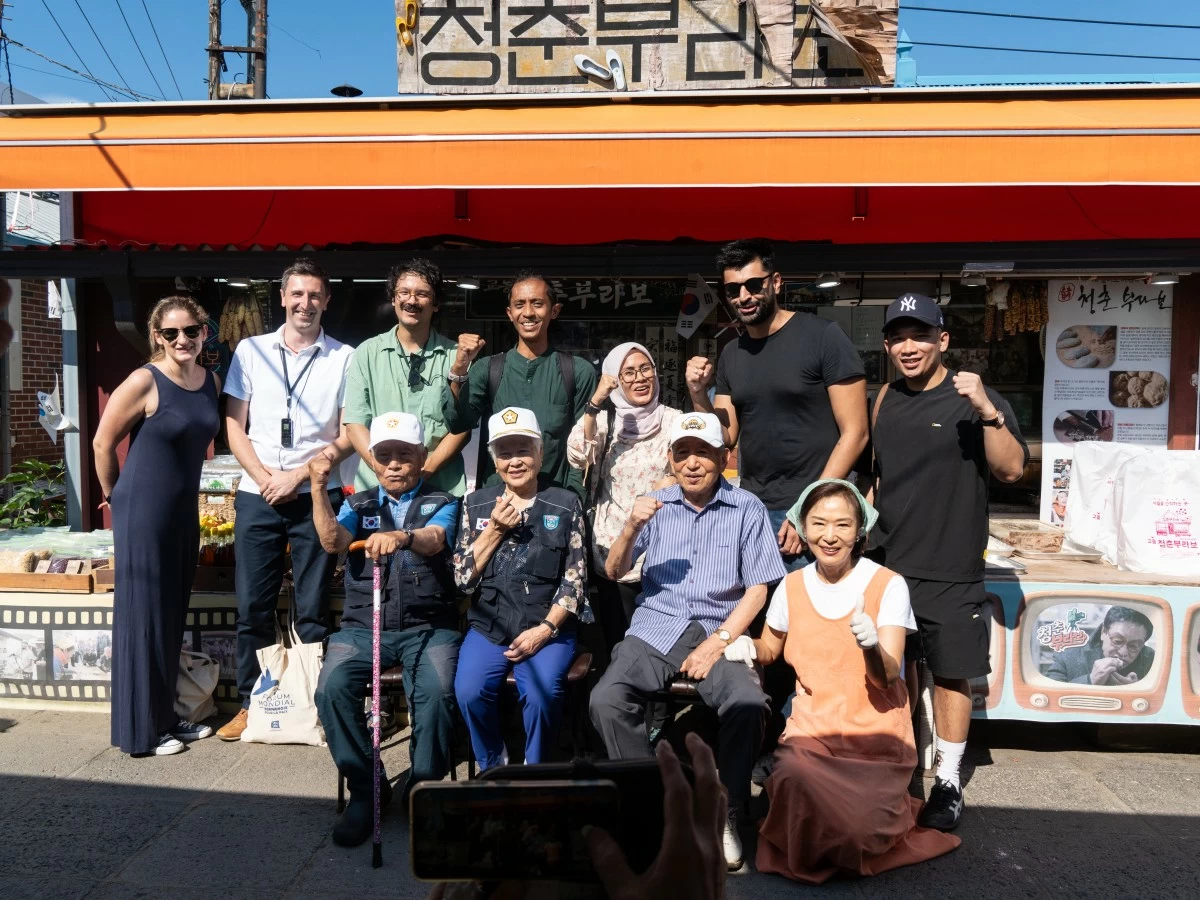
GROUP PHOTO with the defectors
This happened while South Korea continues to pursue efforts towards it, including providing financial support for family reunions, launching educational programs about North Korean human rights and maintaining the Inter-Korean Cooperation Fund.
Lives of South Koreans are way different from North Koreans', Chae observed, as he saw from this island North's life at night and met several defectors from there.
North's progress is not even at par with the South's, with the former still even using traditional equipment for farming, he said.
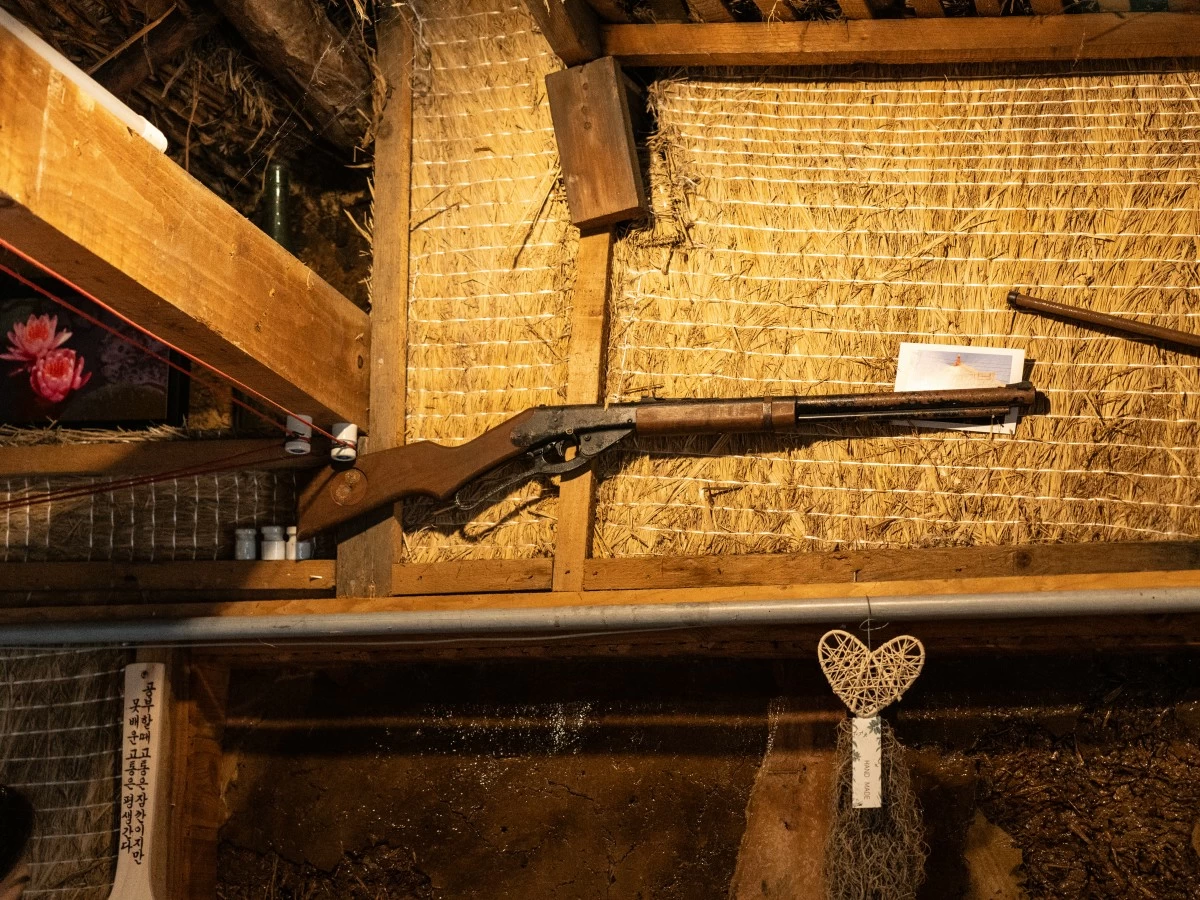
A7M06256
"South Korea was able to achieve this development because it has experienced hunger and all the sufferings in the past," he added.
North Koreans are also aloof, a contrast to the South Koreans who are more socialized, he said.
"I do hope that Kim Jong-un could keep in mind that the Korean Peninsula has [already] suffered a series of wars. And I hope that Kim Jong-un will feel the importance of uniting the two Koreas and be able to achieve, unite the two Koreas together," Chae said.