







Why health matters to microfinance clients
Published Sep 1, 2025 12:05 am
|
Updated Aug 31, 2025 04:00 pm


FROM THE MARGINS
In the microfinance industry, some colleagues have asked why I keep emphasizing health programs when the perceived core business of microfinance is lending. My answer is simple: if we want to make a real and lasting impact on our clients’ lives, we cannot stop at just financing their businesses. We must also ensure that they and their families are healthy and strong.
Harsh reality of illness
Over the years, I have witnessed countless stories of clients whose lives were derailed by sickness in the family. When illness strikes, about 60 to 80 percent of household income often goes directly to medicines, doctor’s fees, and hospitalization. While the patients struggle to recover, their business is neglected, income slows down, and the family is pushed back into abject poverty.
This painful cycle proves that microfinance alone is not enough. Health and livelihood are inseparably linked. If we do not address health challenges, we risk watching our clients lose everything they have worked so hard to build.
Health and development
This is why health must be integrated with our work in microfinance. Even with the Universal Health Care for All Act, the poorest households still suffer the most. They carry higher healthcare needs, yet have the least access to services. Out-of-pocket health expenses remain catastrophic, pushing vulnerable families deeper into poverty.
One of the most important Sustainable Development Goals reminds us of this priority: SDG 3 – Ensure healthy lives and promote well-being for all at all ages. According to studies, these are the barriers:
• Accessibility: Health facilities remain too far for many rural communities.
• Affordability: Poor families delay treatment because they cannot afford the costs.
• Acceptability: Some services are not sensitive to cultural or religious practices.
• Continuity of health care: Consistent, standard-based treatment remains out-of-reach for low-income households.
The Covid-19 pandemic worsened these inequalities, showing us just how vulnerable the poor remain in times of crisis.
What MFIs can do
Faced with these realities, microfinance institutions (MFIs) are increasingly embracing health as a core component of financial inclusion. For example, KASAGANA-KA offers health programs to clients, with services that include microinsurance, access to medical services, training for community health workers, and health education for client-beneficiaries. These programs are designed to support urban poor communities, particularly women and their families.
Kabalikat sa Maunlad na Buhay, Inc. (KMBI) also offers health services through its Wellness Program, which includes events like the "Kalusugan para sa mga Ina ng Bayan" caravan – providing health talks, free health screenings, and other services. It also offers microinsurance to cover its clients’ emergency medical expenses.
ASA Philippines Foundation integrates health through: (a) microinsurance partnerships that provide hospitalization, accident, and life coverage; and b) community wellness initiatives, like medical check-ups and health awareness drives where government services are scarce.
By pairing financial inclusion with health protection, MFIs deliver peace of mind alongside capital — especially for women entrepreneurs supporting their households.
My own network started integrating health services in our microfinance operations years ago. Today, our initiatives include:
• BotiCARD Pharmacies: 21 branches — launched with free consultations and health education — ensure access to affordable medicines.
• CARD e-Doctor: Free online consultations via Facebook Live and private messaging.
• CARD e-Pharmacist: A digital tool guiding clients through symptom checks and medication choices.
• Microinsurance and Health Loans: Insurance products covering hospitalization and emergencies, plus loans to prevent families from selling assets to pay for care.
• Community Health Programs: Health missions, staff training, and partnerships with local governments.
This multi-layered model shows how MFIs can deliver holistic health solutions at scale. We even started CARD Clinics, partnering with doctors, laboratories, and health practitioners to provide quality health care to clients.
Academic research has validated these innovations. In 2022, Dr. Roderick Belen studied the CARD e-Doctor program in his MBA dissertation at the University of Roehampton, London. His work, “Acceptance and Utilization of CARD MRI e-Doctor, a Remote Medical Consultation, Post Covid-19 Pandemic in the Philippines,” showed that consultations via Facebook Messenger were widely accepted during lockdowns and filled urgent healthcare gaps when in-person visits were impossible. Building on this, in 2023, Tria Marie Sta. Maria Torres explored the feasibility of day hospitals in her own Roehampton MBA dissertation. Her study, titled “Expanding Healthcare Service: A Day Hospital Model for CARD MRI,” showed that such facilities, offering multidisciplinary outpatient services, could reduce costly inpatient care while improving access for rural families – an idea with transformative potential for Philippine healthcare.
Beyond credit
MFIs are uniquely positioned to provide health services. They already operate in grassroots communities, maintain strong client relationships, and deliver essential financial services. Adding health programs — whether insurance, clinics, or health education — protects families from one of poverty’s harshest triggers: unexpected illness.
Taking care of our clients’ health is important because without health, there can be no wealth, no resilience, and no lasting empowerment.
* * *
“It is health that is real wealth and not pieces of gold and silver.” – Mahatma Gandhi
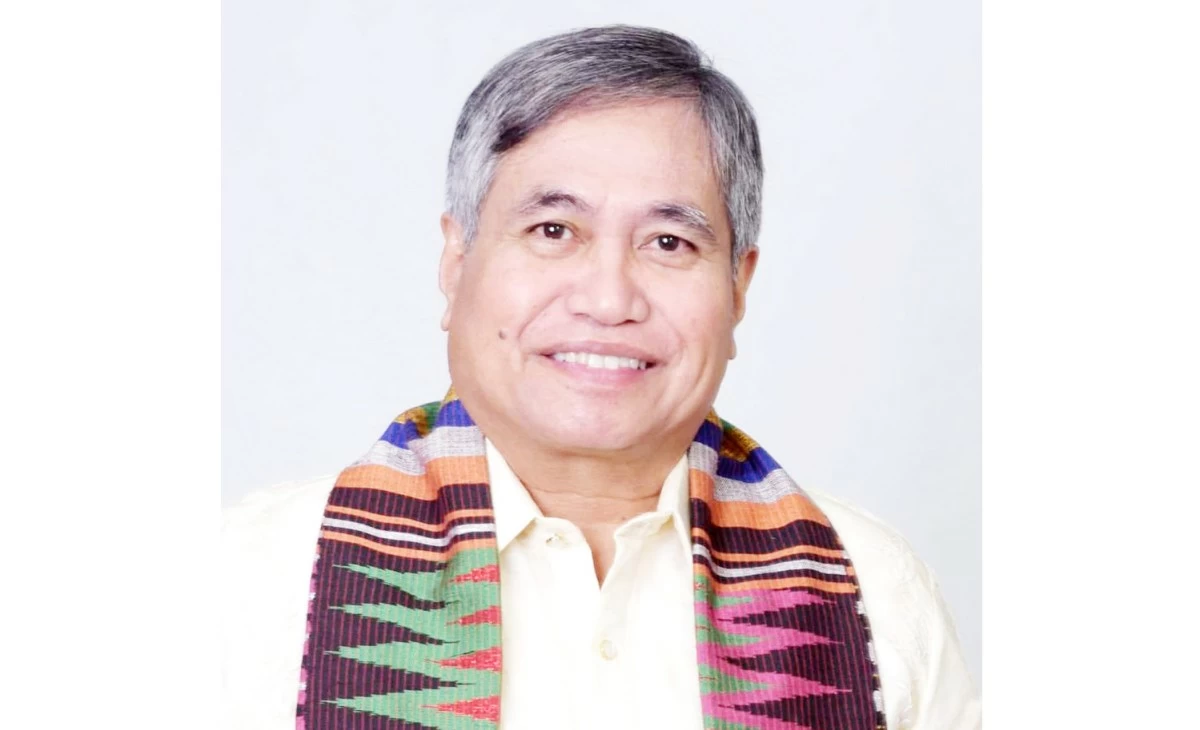
(Dr. Jaime Aristotle B. Alip is a poverty eradication advocate. He is the founder of the Center for Agriculture and Rural Development Mutually-Reinforcing Institutions (CARD MRI), a group of 23 organizations that provide social development services to eight million economically-disadvantaged Filipinos and insure more than 27 million nationwide.)