






Manila Bulletin
 Technews
Fast, beautiful, Filipino: Globe's new 5G WiFi router is powered by art and innovation
Technews
Fast, beautiful, Filipino: Globe's new 5G WiFi router is powered by art and innovation
Technews
Fast, beautiful, Filipino: Globe's new 5G WiFi router is powered by art and innovation
Fast, beautiful, Filipino: Globe's new 5G WiFi router is powered by art and innovation
The new Globe AT HOME 5G WiFi combines cutting-edge wireless tech with exclusive designs featuring Philippine National Artists—powered by Rainx for fiber-fast speeds
Published Sep 1, 2025 01:48 pm


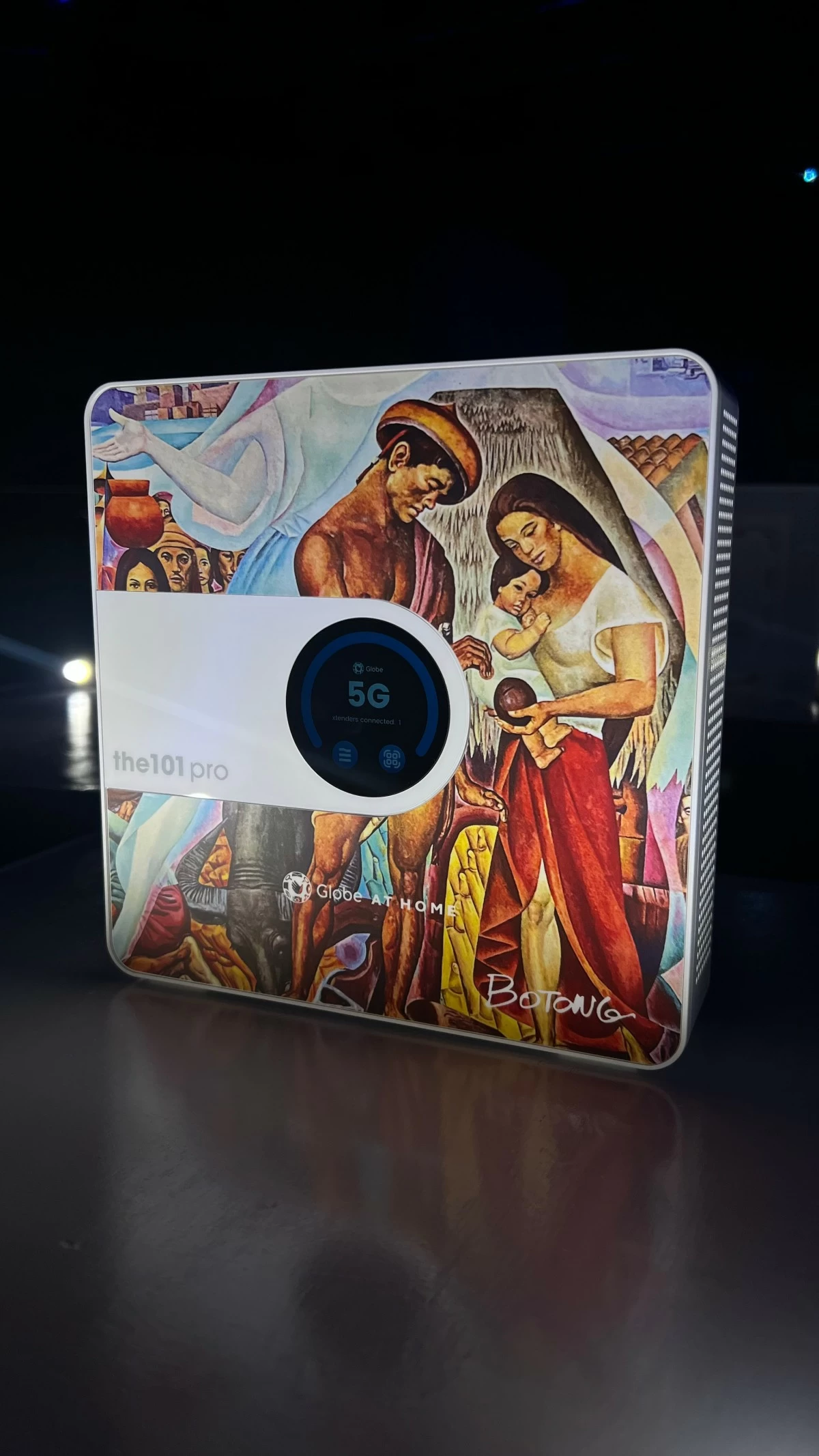
In a powerful blend of connectivity, creativity, and cultural pride, Globe Telecom has launched its most artistic and advanced home internet device yet—the Globe AT HOME 5G WiFi, a collaboration with global tech company Rainx, and a tribute to Filipino artistry. This new generation router doesn't just promise ultra-fast internet—it turns your connection point into a canvas celebrating Philippine art.
Beyond design, Globe is also redefining home broadband with the introduction of Globe AT HOME 5G Loop. This breakthrough device delivers fiber-like internet through 5G technology, perfectly built for shared WiFi experiences at home, while offering the freedom to bring your connection on the go—wherever life happens. As the first in the world to launch Loop, Globe marks a global milestone in reimagining shared digital experiences.
Unveiled at the "Art of Connection" launch at a:museum, the country's largest digital art space, this offering reimagines how Filipinos experience home WiFi—transforming a functional necessity into a work of visual pride.
A collector's router: honoring national artists
The decision to feature Filipino art as part of a technology product is a nod to Globe's larger commitment to innovation with local relevance. The limited-edition 5G WiFi router skins pay homage to four of the Philippines' most iconic National Artists, transforming each device into a piece of cultural storytelling.
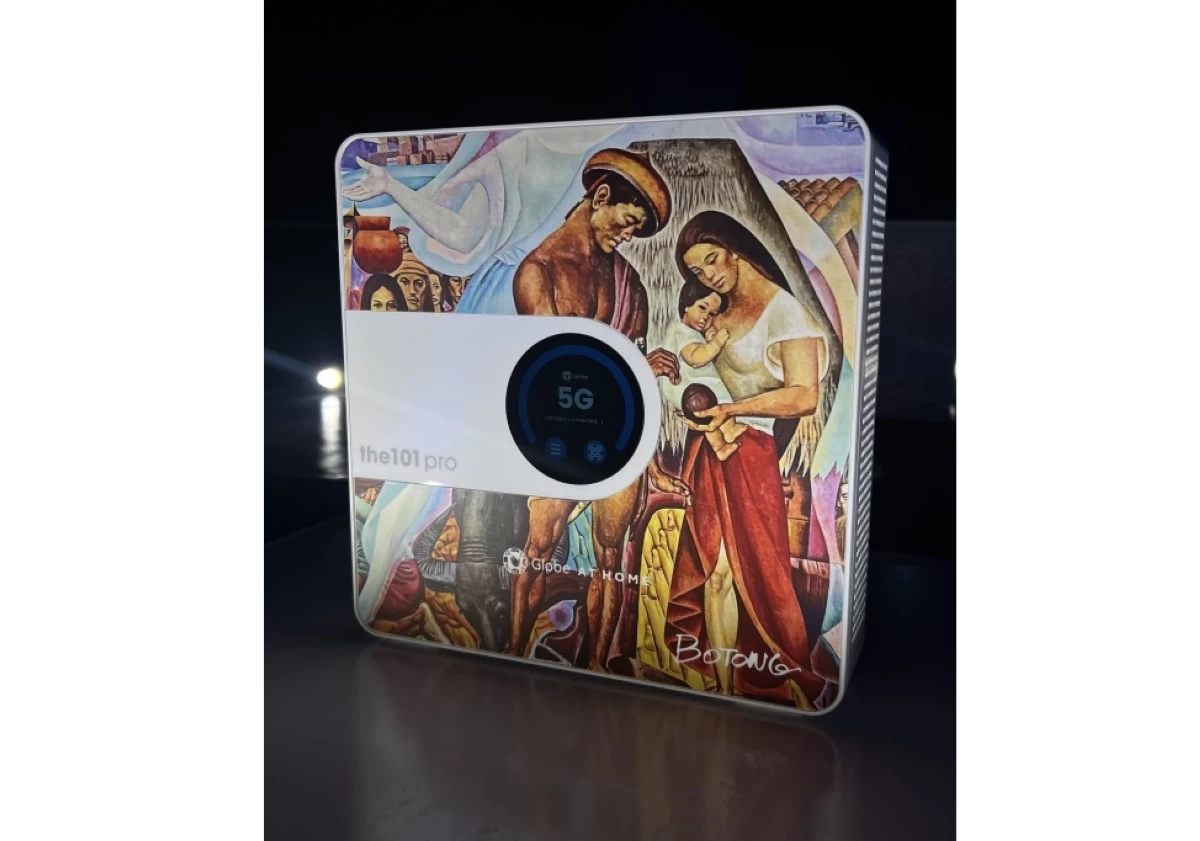
Vicente Manansala's "Birdman" is a striking representation of his signature transparent cubism. Created in 1973, the painting portrays a man balancing birdcages on a pole—his form broken into geometric planes that reveal multiple facets at once. This piece is a visual triumph and holds historical weight, having been at the center of a high-profile art forgery controversy. The incident, which involved a near-identical copy titled "Bird Seller" being pulled from auction, sparked a Senate resolution on the creation of a National Registry of Fine Art. As the first Kapampangan National Artist, Manansala's ability to depict the soul of modern Filipino life through abstract forms makes "Birdman" an extraordinary centerpiece in this collaboration.
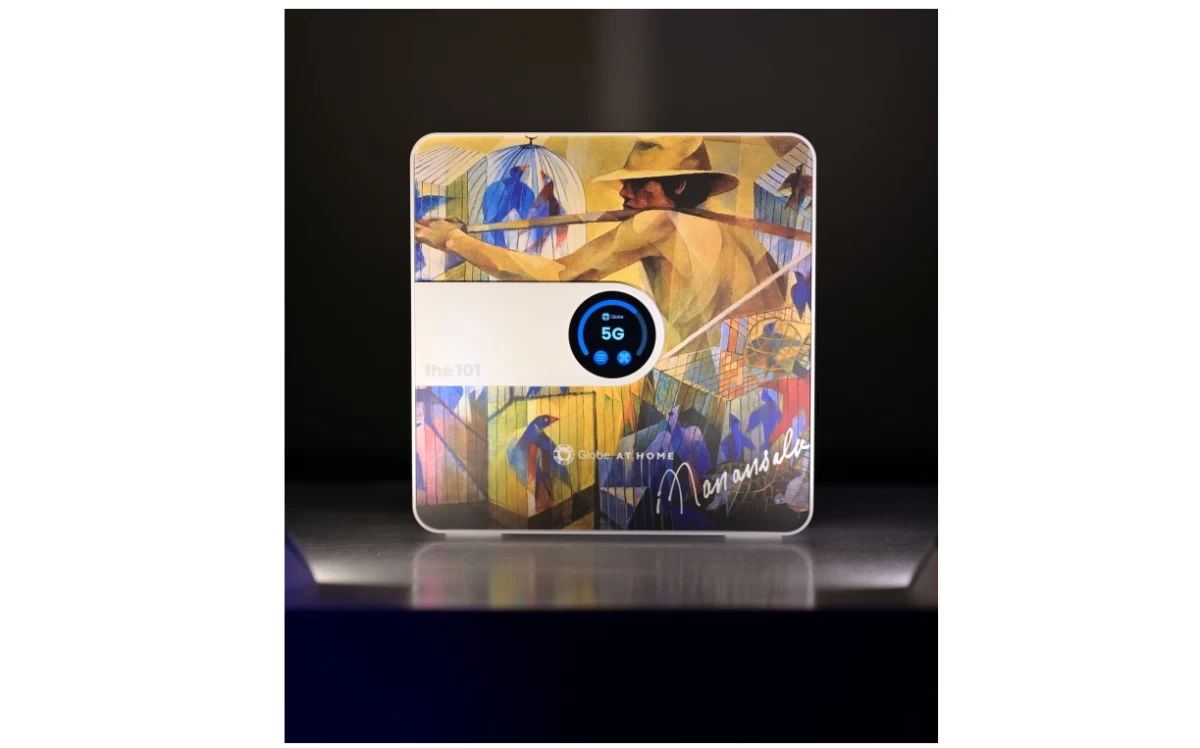
Carlos "Botong" Francisco's "Pageant of Commerce" contributes a muralist's vision to the collection. Painted in 1956, the piece exemplifies Francisco's dedication to chronicling Filipino life, commerce, and tradition on a grand scale. A founding figure in the country's shift from romantic to modernist art, Francisco's murals continue to adorn major public institutions across the Philippines. His ability to capture both the spirit and structure of local life—through movement, rhythm, and vivid scenes—ensures his work remains a foundational part of the nation's visual narrative.
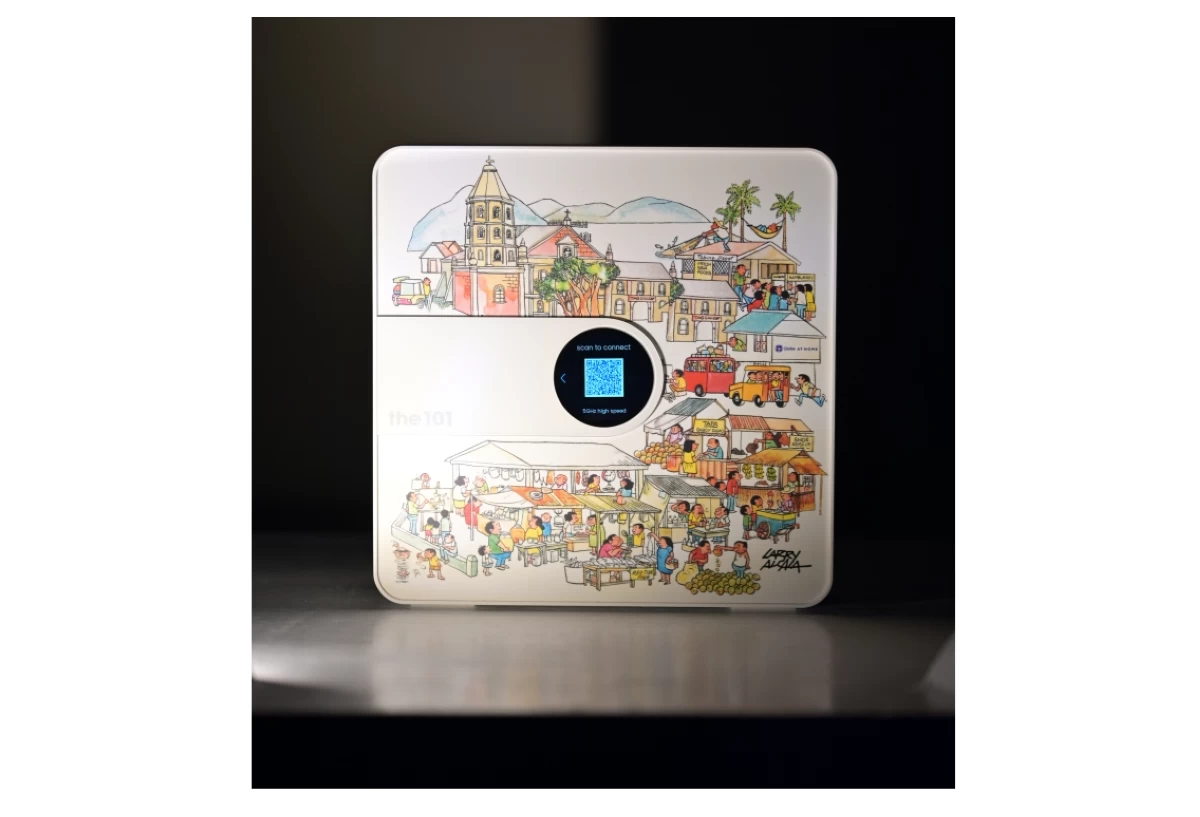
Larry Alcala's "Barangay," inspired by Sunday in Tanay, brings everyday Filipino life to the forefront with a touch of humor and heart. As the creative force behind Slice of Life, Alcala used cartoons as social mirrors, capturing the quirks, joys, and challenges of ordinary living. With over 15,000 published pages and more than 500 cartoon characters to his name, Alcala believed in the role of cartoons not just for entertainment but for education and value formation. "Barangay" is a vibrant homage to his legacy—celebrating the relatable and the real with charm and wit.
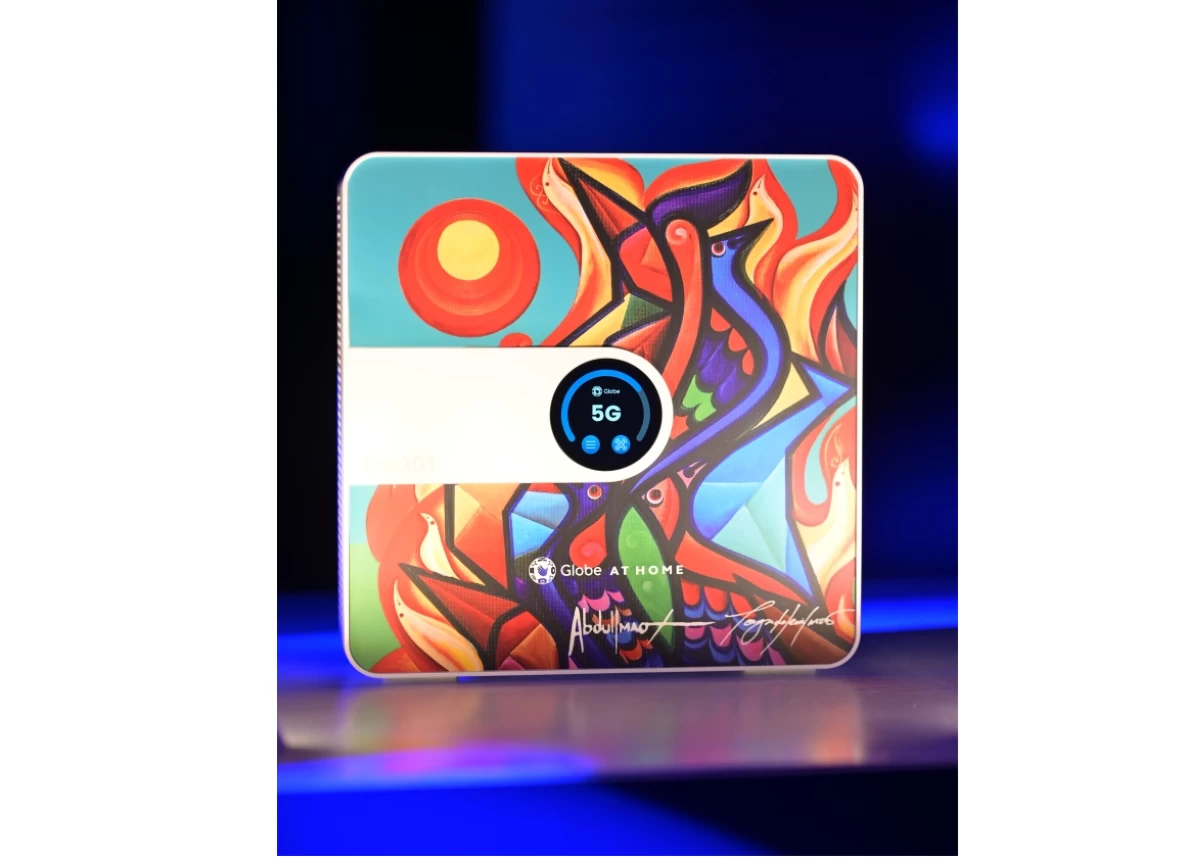
"Marahuyo," a unique collaborative piece, represents a dialogue between generations. The work was started by Abdulmari Imao, the first Muslim National Artist known for integrating traditional Islamic motifs—such as the Sarimanok—into contemporary sculpture and painting. After his passing, the piece was lovingly completed by his son Toym Imao, who brought his own modern aesthetic to his father's unfinished vision. The result is a stunning blend of tradition and innovation—reflecting the Imaos' shared commitment to elevating cultural identity through art. "Marahuyo" is a piece of visual beauty and a symbol of continuity and reinvention within Filipino heritage.
Each of these celebrated works is now available as a router skin for the new Globe AT HOME 5G WiFi device, which comes in Stone (White) and Blueberry base colors. With these skins, the routers become more than just gateways to the internet—they become vibrant, personal expressions of national pride and artistic excellence.
"At Globe, we believe that technology should complement and enhance our everyday lives—not just functionally, but also aesthetically," said Abigail Cardino, VP and Head of Brand Management for Globe's Broadband Business. "By showcasing the works of National Artists, we are making connectivity not just seamless but also inspiring. These limited-edition designs turn our 5G WiFi device into a work of art that our customers can proudly showcase in their homes".
Built for performance and portability
The Globe AT HOME 5G WiFi is more than just a pretty device. It's powered by cutting-edge 5G Fixed Wireless Access (FWA) technology, delivering fiber-fast speeds without the mess of cables or drilling.
"We're proud to work with Globe to bring next-gen connectivity to Filipino households. Our goal at Rainx is to optimize not just technology but people's everyday experience with it," said Brandon Leigh, Founder and Executive Director of Rainx.
Designed with modern homes in mind, the Globe AT HOME 5G WiFi router delivers high performance and everyday convenience, making it ideal for modern lifestyles. Its plug-and-play setup means there's no need for technical assistance or permanent installation—users simply take it out of the box, plug it in, and they're instantly connected. This makes it particularly attractive for renters, students, and digital nomads who move frequently or live in temporary accommodations. Adding to its ease of use is the Scan-to-Connect feature, which allows users to connect their devices by simply scanning a QR code displayed on the router's built-in LCD screen—eliminating the need to remember or input long, complicated passwords. The router also comes with One-Tap SIM Registration and Support, enabling users to manage their connectivity and access customer service effortlessly through the same LCD interface. To ensure reliable and consistent performance, especially in fixed home setups, the device is geo-locked, meaning it is optimized to deliver strong signal stability within its designated area of use. Finally, Globe has included a 7-day money-back guarantee, allowing customers to test the device risk-free and return it for a full refund if it doesn't meet their expectations. This combination of features reflects Globe's understanding of the flexibility, speed, and simplicity today's households demand in their internet solutions.
"This router is ideal for those constantly on the move—renters, students, and professionals living in temporary spaces. You just plug it in and you're online," said Darius Delgado, Globe's Chief Commercial Officer. "And it's a true example of form meeting function."
Adding to this innovation, Globe AT HOME 5G Loop will be available for pre-order starting September 1, and will roll out in select Globe stores nationwide. Priced at ₱10,999, each device comes bundled with 30 days of unlimited data—giving families a simple and powerful way to stay connected and enjoy shared digital experiences wherever they are.
Widely Available and Ready to Inspire
The limited-edition artist skins will be available starting May 2025 as add-ons for new Globe AT HOME 5G WiFi subscribers. The router is currently available in major metro areas like Bonifacio Global City, Makati, and Ortigas Center, with more locations being added soon.
Globe's 5G network now reaches 98.69% of Metro Manila and 96.95% of key cities in Visayas and Mindanao, ensuring robust and fast service to more homes than ever.
More Than Just WiFi
"This product is about how technology and culture can co-exist—how the tools we use every day can also be meaningful," added Cardino. "It's WiFi, yes. But it's also heritage. It's the convenience with a story."
For updates, follow Globe AT HOME on Facebook(https://www.facebook.com/globeathome/) or visit the Globe Newsroom (https://www.globe.com.ph/about-us/newsroom) for more details.