







Can reptiles help with the mental health crisis among young people?
Published Sep 1, 2025 12:53 pm


BY Markus Nykos Octaviano Chua, 17
Grade 12
Hong Kong International School
Studies have shown that the use of social media, especially among the youth, creates a sense of "connected isolation" where curated content fuels feelings of inadequacy, social comparison, and FOMO (fear of missing out). It often replaces deep, in-person interactions with superficial engagement, ultimately contributing to the rise in adolescent loneliness and depression. Furthermore, a study conducted by the Yale School of Medicine concluded that among teens aged 12-15, those who use social media over three hours each day faced twice the risk of having negative mental health outcomes, including depression and anxiety symptoms.
Now that the concern for youth mental health is better established, what can we do to improve this situation?
My name is Markus Chua, and I’m a Filipino high school student currently studying at Hong Kong International School. A few years ago, I started Happy Reptiles—a social media community where I share one simple idea: reptiles can actually help improve mental health.
For the past four years, I’ve been championing reptiles as therapeutic companions, especially in busy, urban places like Manila and Hong Kong. My mission is pretty straightforward—to show people that reptiles, often misunderstood or even feared, can help reduce stress, bring calm, and ease feelings of loneliness.
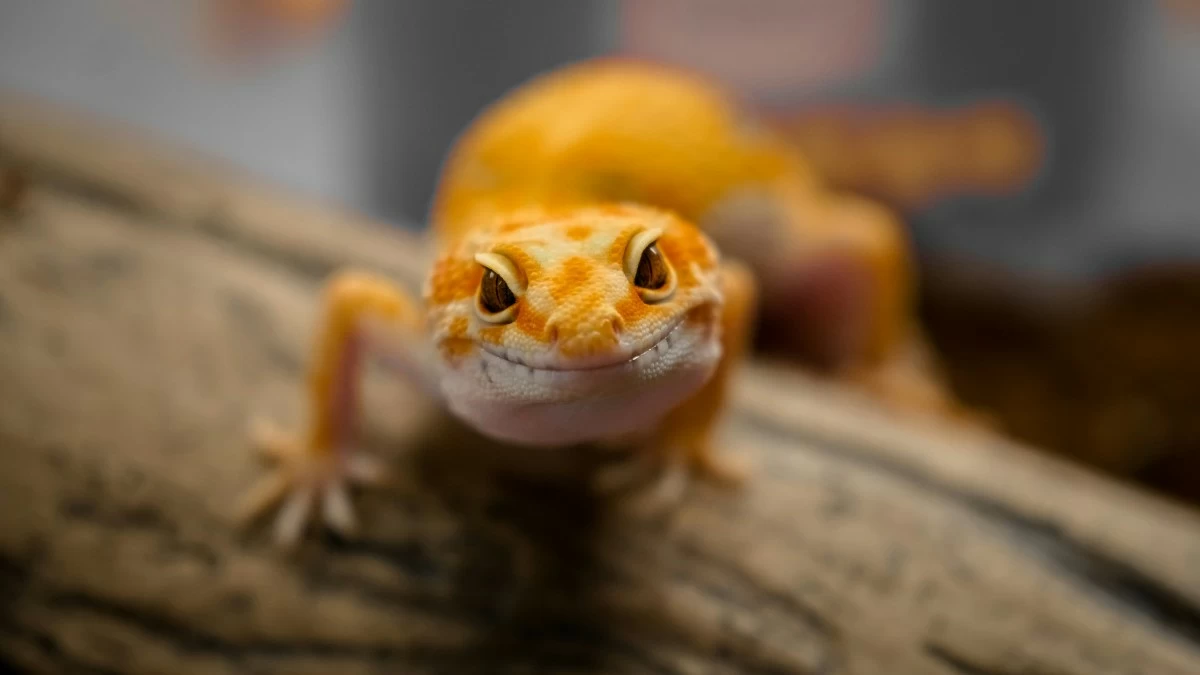
There are already countless studies out there—from groups like the National Institute of Health—that highlight the benefits of owning pets. But for me, the question has always been: why not reptiles? They’re generally more affordable and easier to care for compared to dogs or cats. For instance, from my own experience, keeping a gecko costs me around P500 to P700 a month—definitely more accessible for many families.
But beyond the practical side, my love for reptiles comes from how fascinating they are. Just watching them is enough to calm me down. My bearded dragon at home doesn’t just keep me company; caring for him gives me structure and routine. Honestly, the act of feeding and looking after my reptiles is often the highlight of my day.
This passion isn’t random—it grew out of a personal struggle. Back in primary school, I went through a phase of depression, mostly after some of my closest childhood friends moved away. That loneliness was heavy. What pulled me through were my reptiles. They gave me something to look forward to every day, something to take care of, something that made me feel less alone.
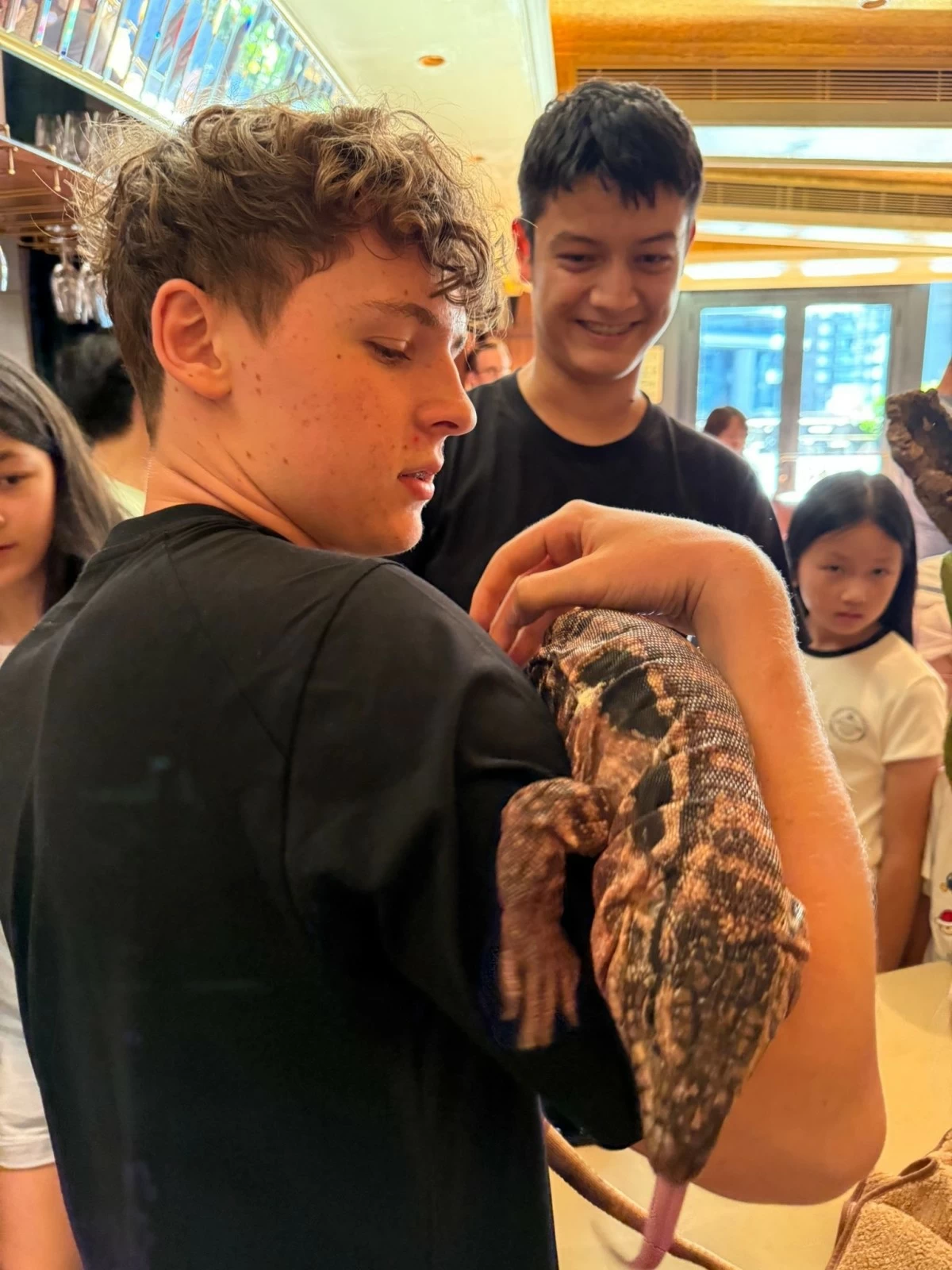
That’s why I want to take this further, beyond my own experience. There’s already research out there supporting the therapeutic potential of reptiles. For example, the Complementary Medical Association published an article referencing a 2013 study by Marguerite E. O’Haire, which found that classroom pets—including reptiles—helped improve the social skills of children with autism. It’s proof that reptiles can have real benefits for mental health.
Right now, I’m working with Professor Nam from the Chinese University of Hong Kong and Professor Fong from Lingnan University to conduct research that can hopefully support reptile-assisted therapy as a recognized practice. I’m also actively involved with KELY, a mental health NGO, to continue connecting my passion for reptiles with youth support. One of my big motivations is that there’s so little research being done on unconventional therapy methods like this, and I want to change that.
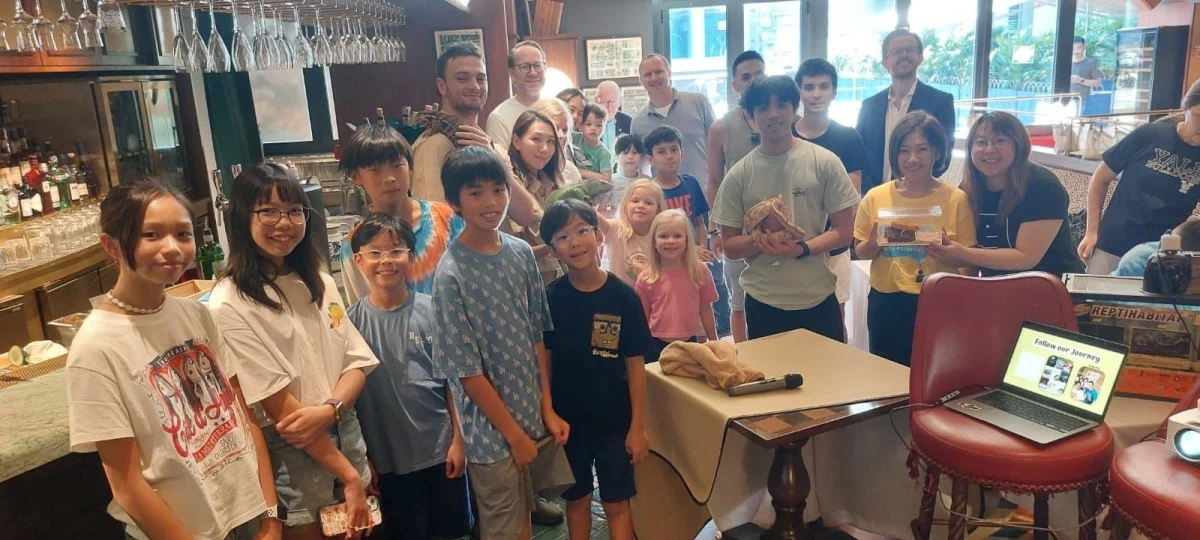
In the Philippines, one in seven teens struggles with mental distress. That statistic isn’t just a number to me—it’s personal, because I know what it’s like to feel that way. My work isn’t just about pets; it’s about offering a culturally relevant, practical solution for my generation. And if even one more person finds comfort and healing through reptiles the way I did, then all this is worth it.
Markus Nykos Octaviano Chua is a student from the Philippines but grew up in Hong Kong. Some of his hobbies include taekwondo, playing tennis, and occasionally wake surfing with friends. He’s a big fan of reptiles and has two at home: a bearded dragon and a crested gecko. Markus is also passionate about mental health and hopes to help promote wellbeing not only in Hong Kong, but in the Philippines and the rest of the world.
‘Voices’ is Manila Bulletin Lifestyle’s dedicated space for young writers and future journalists as they talk about the topics that matter to their generation—from pop culture and social trends to mental health, education, and everything in between.
If you have an article you want to publish, send your submissions to [email protected] with the subject line—Voices: (Article Title)—or send us a DM @manilabulletinlifestyle on Instagram. We can’t wait to read your stories!