






Manila Bulletin
 Philippines
National
What if the NEP that the House receives is faulty to begin with?
Philippines
National
What if the NEP that the House receives is faulty to begin with?
Philippines
National
What if the NEP that the House receives is faulty to begin with?
What if the NEP that the House receives is faulty to begin with?
Published Aug 30, 2025 12:17 am


At A Glance
- Deputy Speaker Antipolo 1st district Rep. Ronaldo "Ronnie" Puno said that the P6.793-trillion National Expenditure Program (NEP) for 2026 that the House of Representatives received from the Department of Budget and Management (DBM) was replete wirh glaring discrepancies.
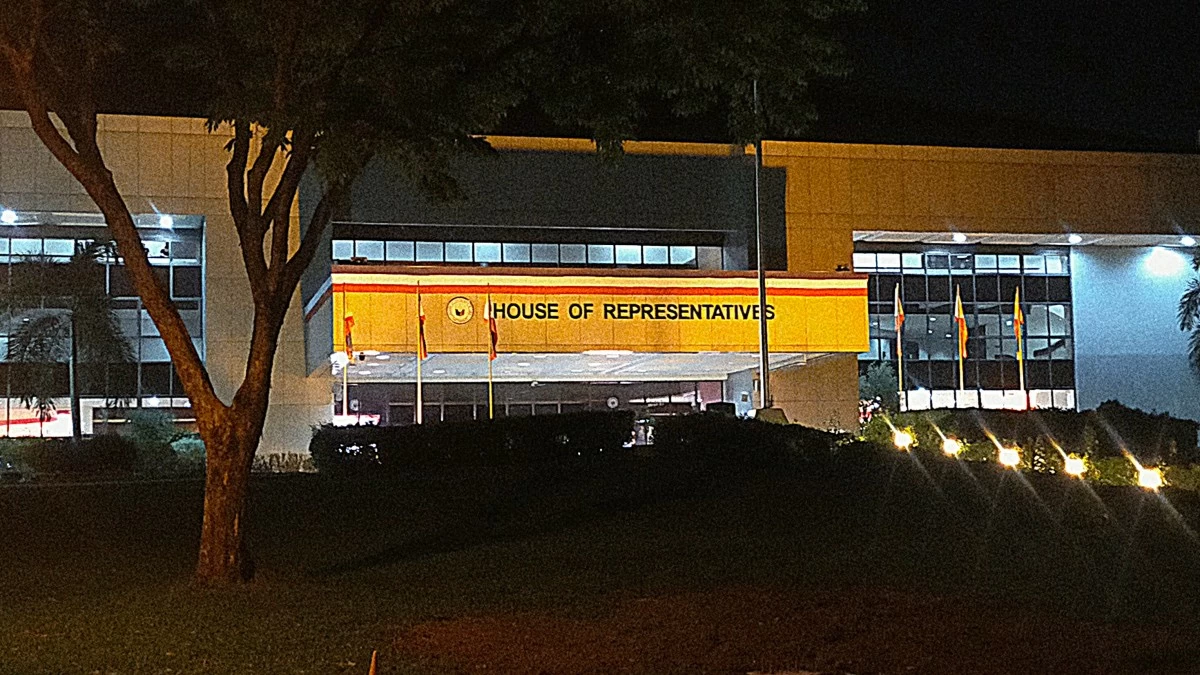
The House of Representatives (Ellson Quismorio/ MANILA BULLETIN)
Much has been said about the House of Representatives "mangling" of the national budget. But what if the budget guide that House members received from the start was already faulty?
Deputy Speaker Antipolo 1st district Rep. Ronaldo “Ronnie” Puno hinted at the possibility of this scenario as he said that the P6.793-trillion National Expenditure Program (NEP) for 2026 that the House of Representatives received from the Department of Budget and Management (DBM) was replete wirh glaring discrepancies.
In a press conference Friday, Aug. 29, Puno bared that many of his House colleagues have pointed out that finished or completed projects continue to receive fresh allocations under the 2026 NEP--the basis of the budget measure next year.
He said that Marikina City stood out as the most striking example, with flood control works long finished there still appeared in the budget, while the funding for other crucial projects were left out.
“Yung pinaka-nakakatawang example ‘yung sa Marikina kay Congressman Marcy Teodoro. Dumating ‘yung kanyang proposed NEP for 2026. Nung nakita niya, magkatabi kami dun sa hearing, eh sabi niya 'Sec, sosoli ko na ito sa DBM?' Bakit? Eh sabi niya lahat ng projects na nakalista dito tapos na eh,” recounted Puno, a former Department of Interior and Local Government (DILG) secretary.
(The funniest example is in Marikina with Congressman Marcy Teodoro. His proposed NEP for 2026 arrived. When he saw it, we were sitting next to each other during the hearing, he said, 'Sec, should I just return this to the DBM?' Why? He said all the listed projects were already completed.)
Puno, chairman of the National Unity Party (NUP), says the same problem appeared in his own district in Antipolo. He said that flood control projects which had been carefully staged over several years suddenly disappeared from the budget, and thus disrupted efforts to protect vulnerable communities from persistent flooding.
“Ngayon tinginan kami sa aming mga NEP. Ako nabigyan ako ng kopya ng district engineer. Pag-submit niya, nagkaroon rin ako ng kopya ng report ng regional director nung sinubmit nila sa national. Alam mo kung ano natanggap namin… lahat ng projects dun nawala eh priority namin yun eh,” he said while noting that these were not new requests but part of an ongoing program.
(Then we started checking our own NEPs. I was given a copy by the district engineer. When he submitted it, I also received a copy of the report from the regional director when they submitted it to the national office. You know what we received... all the projects were gone even though those were our priorities.)
The deputy speaker--who had been on a mission to end the "unfair" criticisms on the House when it comes to the handling of the national budget--described how Antipolo had already completed the first stage of a flood control system that diverts water away from Marikina.
But without continuity in the succeeding stages, he warned that communities such as Mayamot and Kingsville remain inundated every rainy season.
“Kaya hindi na kami nagtatapon ng tubig sa Marikina dahil natapos na namin ang first stage. Problema namin, tumatapon pa rin kami sa Cainta… Ngayon, nawala lahat ng mga aming sinetup sa Mayamot eh kaya kawawa ka kung nakatira ka sa mga Kingsville,” he said.
(That’s why we’re no longer dealing with water overflow in Marikina, we’ve completed the first stage. Our problem now is that water still overflows in Cainta... And all the set-ups we had in Mayamot disappeared, so it’s unfortunate if you live in Kingsville.)
'Ginulo talaga'
Puno said that while projects vital to his district vanished, new allocations of unknown origin suddenly appeared in the NEP, with variance in the figures moving millions of pesos either way.
“Tapos ito malungkot, napalitan ng project hindi namin alam kung saan galing. Daang milyon, hindi namin alam saan galing. Oh yung P70M na project ginawa nilang P1M. O yung mga P100M ginawa P700. Ginulo talaga,” he said.
(And here’s the sad part: the projects were replaced with ones we don’t even know where they came from. Hundreds of millions, we don’t know the source. A P70 million project was turned into P1 million. Projects worth P100 million were made P700 thousand. They really messed it up.)
Puno noted that the discrepancies were so blatant that even other party leaders and senior legislators found themselves victims of the same manipulation. He said the reaction among solons was one of disbelief and anger at how such changes could have slipped through the system.
The Deputy Speaker underscored the need to investigate how these errors were introduced, particularly since the DBM and Department of Public Works and Highways (DPWH) were responsible for transmitting the documents.
“Kasama na siguro yun eh halimbawa bakit mo ilalagay sa Marikina yung project na tapos na kasi pag na-approve ang budget na walang nagbasa na na-approve yun, eh di pasok yung pera. O sino ngayon magagawa ng implementation niya eh di yung ahensya. So parang tumama sila sa lotto bigla,” Puno said, as he described how agencies could benefit from duplicate allocations.
(That’s probably part of it, for example, why would you allocate a project to Marikina that’s already completed? Because once the budget is approved and no one reads through it, the money goes through. And who ends up implementing it? The agency. So it’s like they suddenly hit the jackpot.)
He argued that the matter goes beyond oversight failures and demands a full inquiry into the budget preparation process. He noted that blaming DPWH alone was insufficient, as DBM also played a role in transmitting the NEP with glaring anomalies intact.
“So yun yun ang problema natin. Maraming lumalabas na ganyan. Ngayon dun sa ibang mga agencies sinabi ko na nga eh hindi kami kasali sa pag formulate… pero sa tingin ko baka walang nangyayari katulad dito sa DPWH. Nako, kawawa yung mga kasama kong congressman na nabibintang nang wala namang kasalanan,” he said.
(That’s the problem we’re facing. A lot of cases like that are coming out. Now, with other agencies—as I’ve said—we’re not involved in the formulation… but I think maybe things aren’t happening the same way as with DPWH. I pity my fellow congressmen who are being accused but don't have any fault.)