






Manila Bulletin
 Philippines
National
True to its word, House opens budget deliberations to civil society groups
Philippines
National
True to its word, House opens budget deliberations to civil society groups
Philippines
National
True to its word, House opens budget deliberations to civil society groups
True to its word, House opens budget deliberations to civil society groups
Published Aug 30, 2025 03:33 pm


At A Glance
- Following the controversies that surrounded the 2025 national budget, the House of Representatives have sought civil society organization's (CSO) insights to ensure that 2026 budget would be more inclusive and responsive to people's needs.
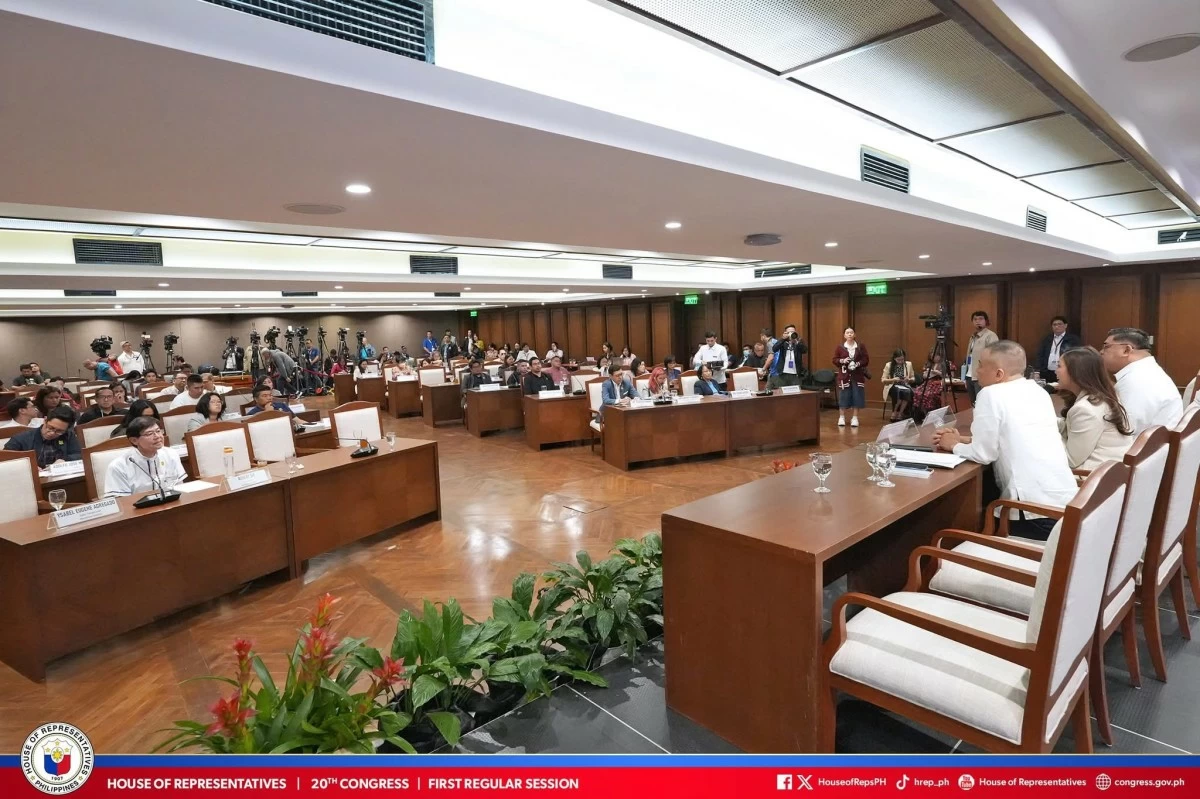
Following the controversies that surrounded the 2025 national budget, the House of Representatives have sought civil society organization's (CSO) insights to ensure that 2026 budget would be more inclusive and responsive to people’s needs.
House Committee on Appropriations Chairperson Nueva Ecija 1st district Rep. Mikaela Suansing recently met with various leaders of CSOs last Thursday, Aug.28 as committee started deliberating on the 2026 budget, as spelled out in the P6.793-trillion National Expenditure Program (NEP).
“We are forging stronger linkages among Congress, civil society and implementing agencies to bridge gaps and improve service delivery," Suansing sais.
Navotas lone district Rep. Toby Tiangco had earlier asked the appropriations panel to make public the small committee report on the 2025 budget.
For committee vice chairperson, Bataan 2nd district Rep. Albert Garcia, the move would allow the lower chamber to hear more “voices of our communities, ensuring that ordinary citizens have a seat at the table in shaping the 2026 [NEP]”.
Francisco Magno, professor of Jesse Robredo Institute of Governance - De La Salle University, joined the talks. He called for more resources for independent monitoring and evaluation of government programs.
“By empowering research universities to study these pressing challenges, government gains access to innovations and policy recommendations that can guide smarter, future-proof investments,” he said.
Emmanuel Leyco of the Center for People Empowerment in Governance (CenPEG) stressed that budget priorities should focus on people’s welfare. He raised concern over the national debt, which was projected to hit P19 trillion with 14.4 percent of the budget going to debt servicing.
Meanwhile, John Elsisura, Multiply-ED Philippines national campaign coordinator, urged the government to restore and increase education funds.
He also sought to pro-inclusivity programs such as special and alternative learning, Indigenous Peoples education, Alternative and Madrasah Education Program (MEP); and batted for the reallocation of wasteful spending to urgent education needs.
For her part, Move As One Coalition Transport Economist Robert Siy said that the proposed budget for transportation, roads and bridges must be revised as it neglects the needs of most Filipinos who walk and use the bicycle.
The Institute for Climate and Sustainable Cities, SafeTravelPH, FOI Youth Initiative, Democracy Watch Philippines and other organizations also gave their inputs, which called for forcus on greater budget transparency, climate resilience, and transport.
Suansing acknowledged the concerns raised by the CSOs and vowed to hold more engagements to improve budget prioritization.
She also encouraged the groups to submit more technical details of their proposals for consideration in next year’s budget.
“We are one with you in wanting to prioritize funding for human capital development and several of the points that were raised,” she said.