






 Philippines
National
Lacson to PCAB: Act, not just deny reports on 'accreditation for sale'
Philippines
National
Lacson to PCAB: Act, not just deny reports on 'accreditation for sale'
Lacson to PCAB: Act, not just deny reports on 'accreditation for sale'


At A Glance
- The senator made the challenge after the Philippine Construction Accreditation Board (PCAB) issued a statement claiming the shortcuts-for-a-fee practice is the work of scammers, saying the agency has to explain how some contractors got their accreditation after paying up.
Senator Panfilo “Ping” Lacson on Friday, August 29 said the Philippine Construction Accreditation Board (PCAB) should take an active role to address allegations of “accreditation for sale” in the flood control and other infrastructure projects in the country.
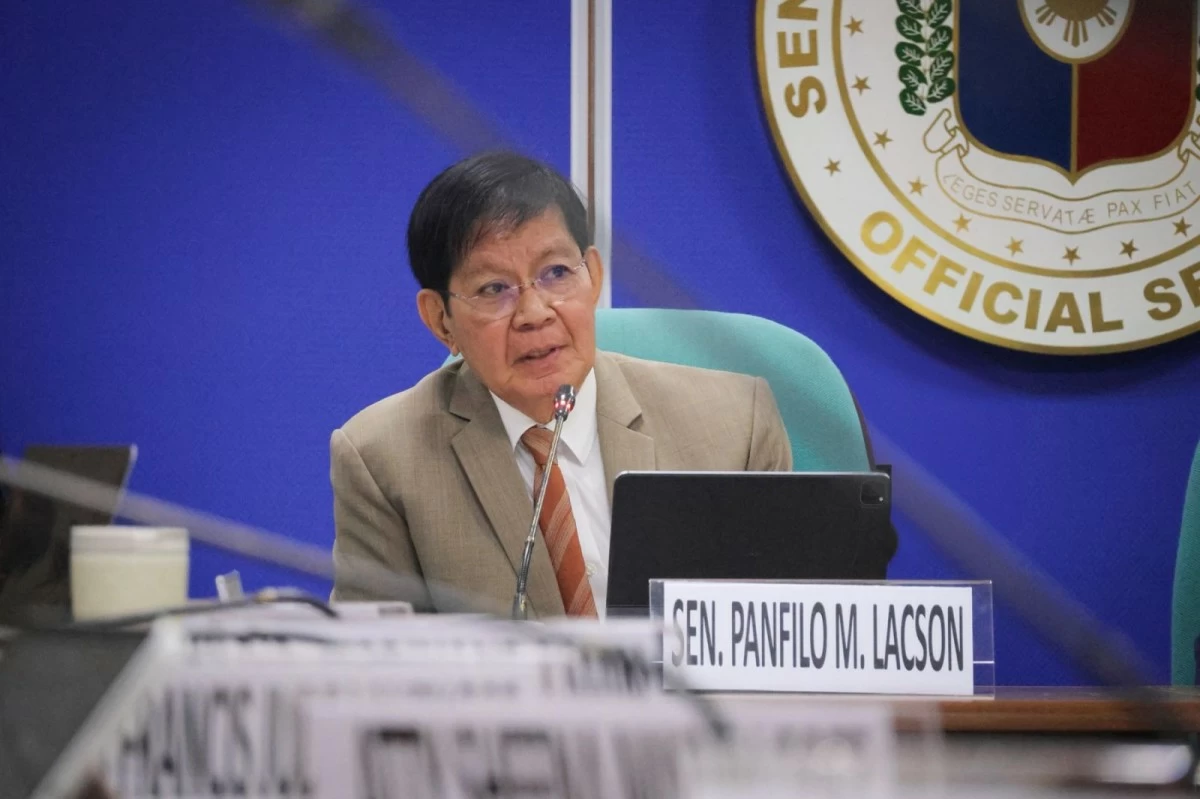
Lacson made the challenge after PCAB issued a statement claiming the shortcuts-for-a-fee practice is the work of scammers, saying the agency has to explain how some contractors got their accreditation after paying up.
“Instead of merely denying reports of misconduct involving what they claim to be scammers misrepresenting them, PCAB leadership should look at their own people and police their ranks,” Lacson said in a statement.
“For how can they explain why certain contractors who, after coughing up at least P2 million were actually issued accreditation by PCAB?” Lacson pointed out.
"As they say, the test of the pudding is in the eating," he added of the PCAB's claim that maintaining the integrity of the PCAB licensing system remains its "foremost priority."
The PCAB is a government agency attached to the Department of Trade and Industry (DTI) and is one of the implementing Boards in the Construction Industry Authority of the Philippines (CIAP).
Last Wednesday, Lacson disclosed information reaching him that the PCAB resorts to “accreditation for sale” and that some private contractors he talked to narrated that the PCAB will take care of the paperwork, for a fee of P2 million for the first time.
In his interpellation of Lacson’s privilege speech, Senate Minority Leader Vicente Sotto III, noted that a contractor linked to a ghost project in Bulacan had its PCAB license renewed for 2025 to 2027.
PCAB also issues or renews the accreditation even of agencies that Sotto noted have a case before the Court of Tax Appeals, or allows Single A accreditation companies to get big projects, Lacson added.
The following day, Thursday, PCAB issued a statement claiming there are “certain individuals and entities” on social media claiming to be connected with PCAB and offering "shortcuts" for a fee. It said it has been "proactive" in addressing these issues.
But Lacson challenged PCAB to work with agencies like the Securities and Exchange Commission (SEC) to coordinate in fighting the collusion behind substandard and ghost infrastructure projects.
“There should be check and balance instead of collusion,” he stressed.