






 Philippines
National
Kiko Pangilinan seeks proper mechanism for defining rice profiteering
Philippines
National
Kiko Pangilinan seeks proper mechanism for defining rice profiteering
Kiko Pangilinan seeks proper mechanism for defining rice profiteering


At A Glance
- The senator pushed for such mechanism amid reports that traders have been low-balling rice farmers by buying their produce less than the cost of its production.
Senator Francis “Kiko” Pangilinan pushed for a proper mechanism that would define rice profiteering and its impact on farmers and local rice production.
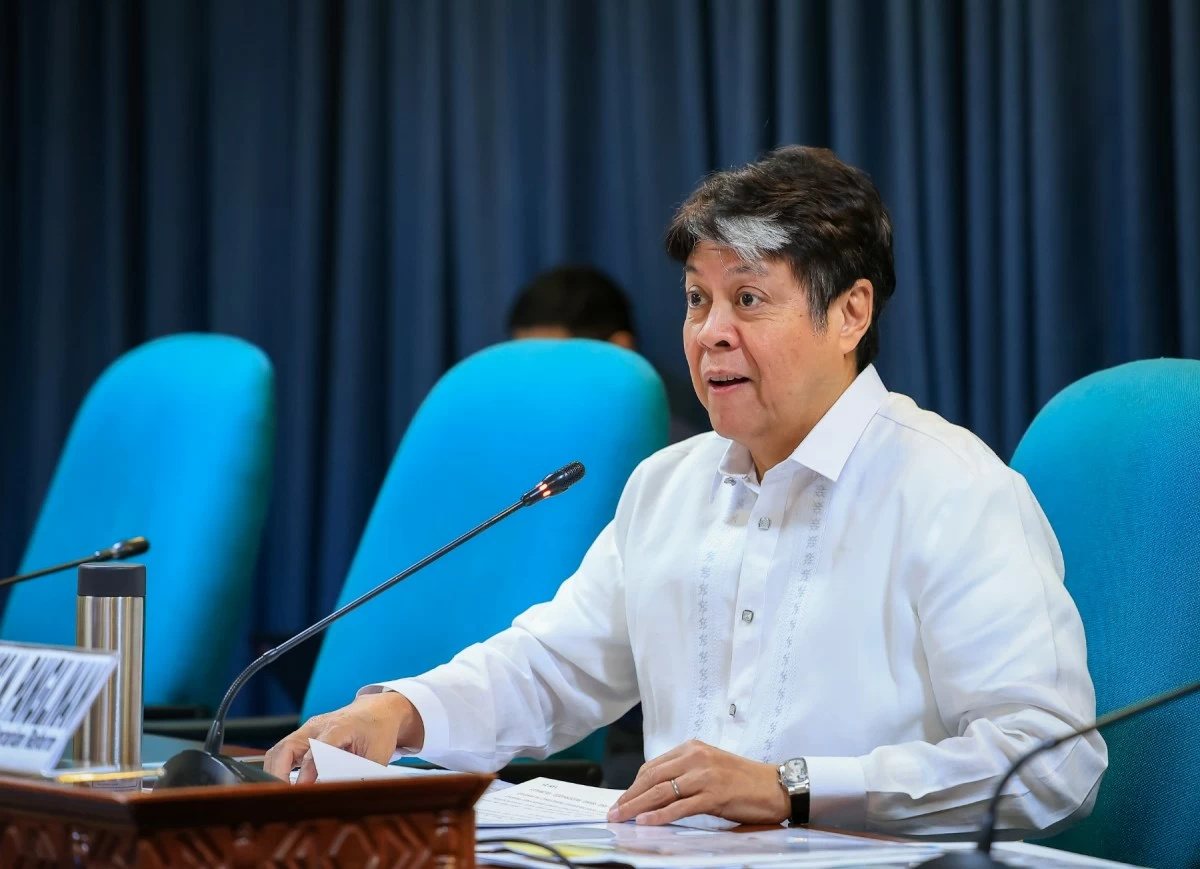
Pangilinan sought for such mechanism during a recent public hearing of the Senate Committee on Agriculture, Food, and Agrarian Reform joint with the Committees on Finance and Ways and Means, on possible amendments to the Rice Tariffication Law (RTL).
The senator pointed this out after inquiring about the clear and proper definition of rice profiteering to effectively go after abusive rice traders and hoarders.
“If we want to protect or give our beneficiaries a fighting chance, how can we determine that? What exactly is profiteering in that matter?” Pangilinan had asked resource persons invited in the hearing last Wednesday, August 27.
Pangilinan’s remarks came amid reports that traders have been low-balling rice farmers by buying their produce less than the cost of its production.
As chairman of the Senate Committee on Agriculture, he asked how the law can establish that buying palay from farmers at P5 per kilo and then selling it for P40 to P45 per kilo in the market is profiteering.
Traders are reportedly buying rice from local farmers at P5 to P10 per kilo despite farmers spending P14 to P17 per kilo as capital.
“We are complaining that it is too cheap, P5 a kilo is a loss. Why P5? Because it makes a lot of money, etc. Well, it's all speculative. There is no science in determining how much you really earn when you buy it for P5 a kilo,” he lamented.
Thus, he said a proper mechanism for defining rice profiteering and its inclusion in the RTL amendment would help protect farmers and their livelihoods.
Aside from this Pangilinan also pushed for a significant increase in government support for crop insurance, citing the urgent need to safeguard rural livelihoods amid rising losses due to typhoons, droughts, and pest infestations.
In an interview on Thursday, August 28, the senator lamented that the current budget allocated for the Philippine Crop Insurance Corporation (PCIC) cannot cover all of the 11 million farmers across the country as the current coverage only reaches about eight million farmers.
“Let’s give them extra support. Insure their vegetables so that if there is frost and damage to the crops due to a calamity or a typhoon, they need to act quickly and get back at least half of it,” he said.
“At least half of what was spent to recover and plant again,” he added.
Pangilinan also pointed out that the current allocation for crop insurance is gravely insufficient to meet the needs of the country’s farmers and fisherfolk.
Nevertheless, the senator said he will be working hard to increase its budget in the next three years.
“Crop insurance is very important. We must really fight for it in the next three years. If not 50%, let's increase our insurance funding by 100%,” he stressed.
Data from the Department of Agriculture (DA) showed that agricultural losses due to El Niño, pests and diseases, volcanic activities, and tropical cyclones amounted to P57 billion in 2024, while agricultural losses caused by the combined effects of tropical storms Crising, Dante, and Emong—along with the southwest monsoon (habagat)—reached P1.12 billion in July.