







Do EAO funds justify its reason for being?
Published Aug 29, 2025 12:05 am
|
Updated Aug 28, 2025 05:11 pm


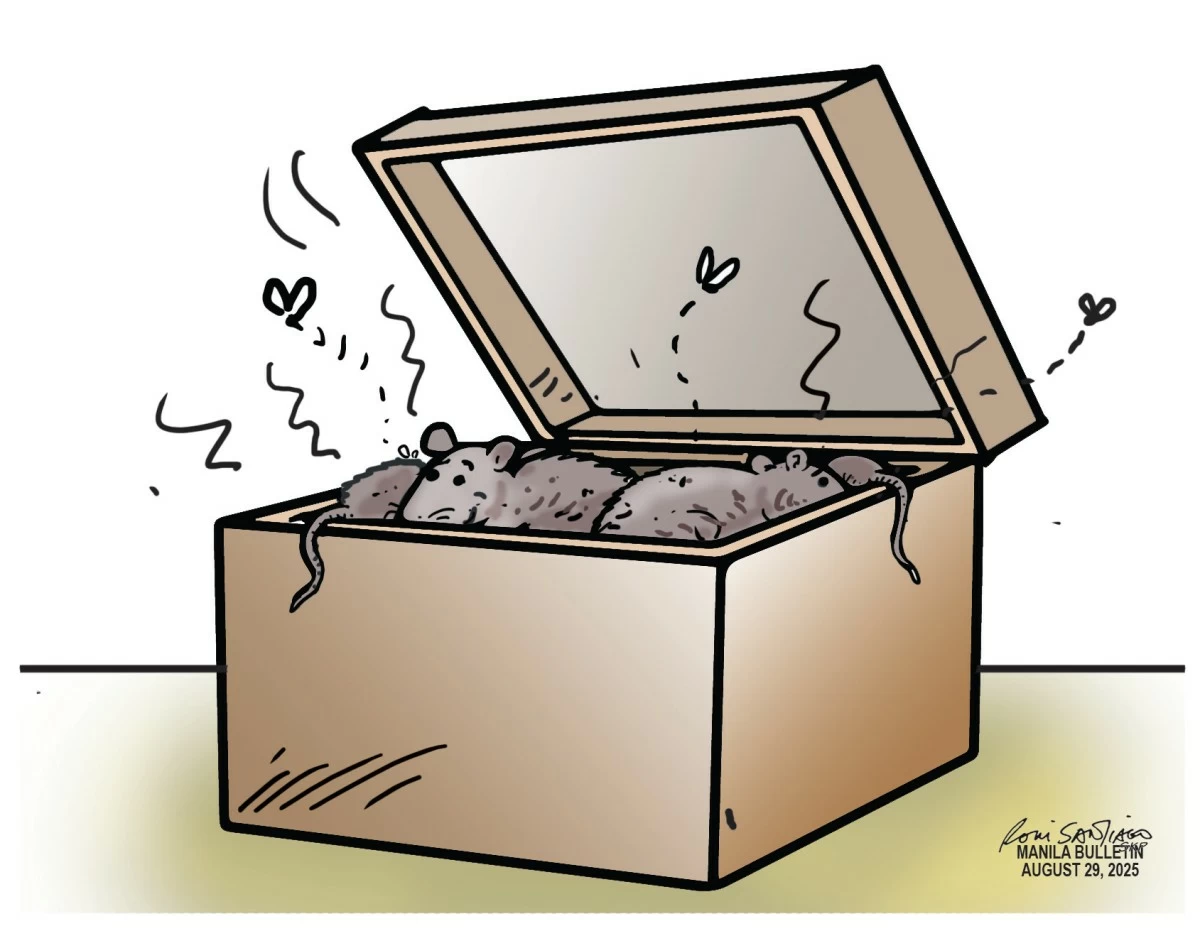
As floodwaters continue to rise around the country, so too does the tide of public frustration with how government funds—especially those intended for infrastructure—are being handled.
This week, the Senate has placed under the microscope the Engineering and Administrative Overhead (EAO) fund of the Department of Public Works and Highways (DPWH), a fund—as high as 3.5 percent—set aside from projects that cost ₱1 million or above.
The EAO is not something new. It is a long-standing but largely overlooked budgetary item not limited to the DPWH. This is why scrutiny on the utilization of EAO should not be limited to the DPWH and President Marcos Jr.’s administration.
As early as 1984, the EAO already existed in the national budget and intended to cover the indirect costs necessary to implement infrastructure projects effectively and ensure their quality. It is meant to fund project monitoring, evaluation, technical audits, and administrative support—functions that, in theory, safeguard the public against substandard and fraudulent projects.
But theory has a way of being twisted in practice.
The recent revelations of anomalous flood control projects and even ghost projects that never existed in reality have cast a long, dark shadow over the supposed purpose of the EAO. If the EAO truly exists to uphold the integrity of public works, how then do billions of pesos worth of defective or non-existent projects continue to slip through the cracks? Has the EAO fund become a smokescreen—an unchecked pot of money feeding a culture of complacency, inefficiency, and possibly corruption?
The Senate’s focus on the DPWH is a step in the right direction. Scrutiny of the EAO should extend to other government agencies. Based on official records, the Department of Education, the Department of Agriculture and the Department of Health also maintain their own EAO allocations. This raises even more troubling questions: How many other agencies are drawing from this fund? Who authorizes its use? And more importantly, who audits it?
It is not enough for agencies to cite policy or historical precedent as justification. President Marcos, who has ordered an investigation into fraudulent public works, must also demand a full, independent audit of how the EAO has been used—across all agencies, and across all years. The people deserve to know whether this fund is serving its intended purpose.
Each peso allocated to the EAO is a peso taken from direct service delivery—schools that could have been built, roads that could have been repaired, health centers that could have been equipped. The question now is whether the EAO, as it currently exists, is truly a safeguard for quality or a systemic loophole for misuse.
We must also consider whether the EAO should even exist in the national budget moving forward. If it cannot be used transparently and effectively, perhaps it should be scrapped entirely under the proposed 2026 budget and beyond. After four decades, the EAO has failed to earn the public’s trust. It must now earn its right to continue.
Public infrastructure is a promise of progress, a reflection of the government’s sincerity in serving the people. Every ghost project, every substandard flood control system, every peso misused is a betrayal of that promise. The EAO may have been born with good intentions, but intention without accountability is meaningless.
It’s time we stop treating the EAO as an untouchable fixture of the bureaucracy. It’s time we ask the hard questions. And it’s time we demand real answers.