






Manila Bulletin
 Philippines
National
DepEd cites classroom backlog, digital divide as major challenges in Philippine education
Philippines
National
DepEd cites classroom backlog, digital divide as major challenges in Philippine education
Philippines
National
DepEd cites classroom backlog, digital divide as major challenges in Philippine education
DepEd cites classroom backlog, digital divide as major challenges in Philippine education
Public-private partnerships, digitalization reforms pushed to address gaps in schools
Published Aug 29, 2025 12:54 pm
|
Updated Aug 29, 2025 02:23 pm


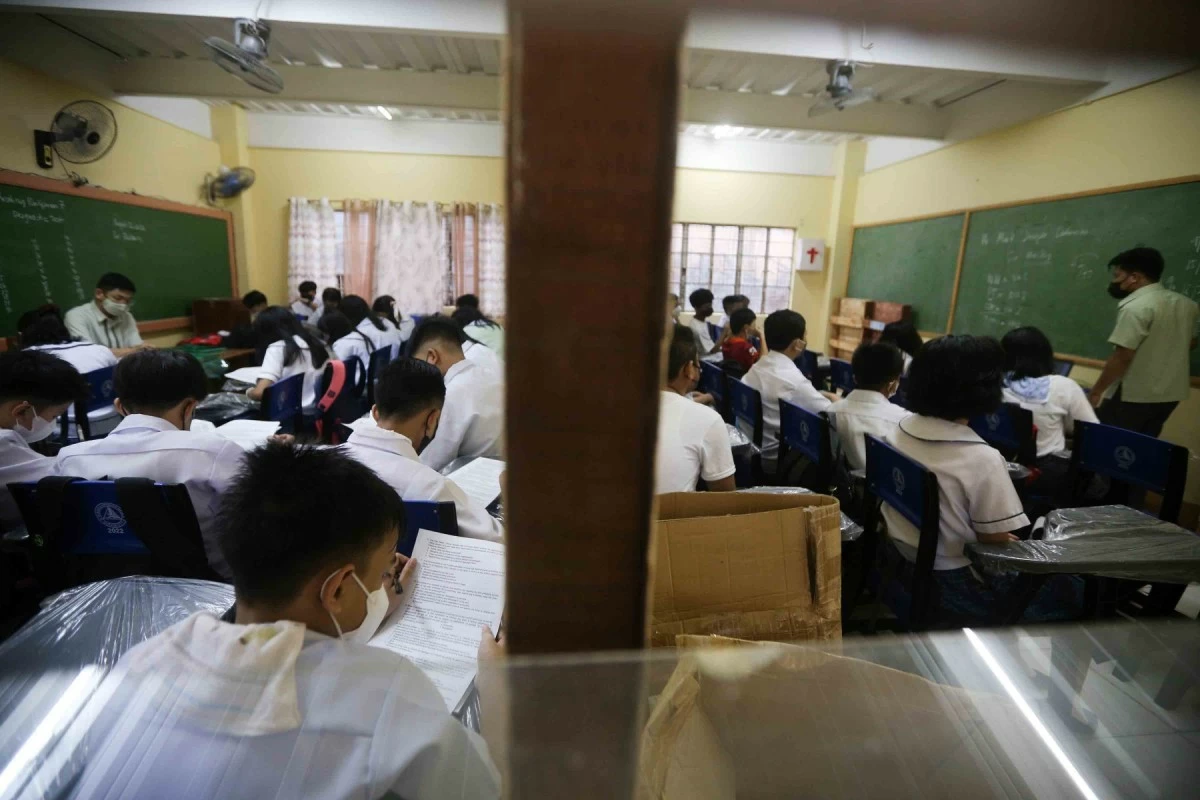
DepEd flags 165,000-classroom backlog, digital divide as top education challenges; pushes public-private partnerships, digitalization reforms to improve Philippine schools. (Manila Bulletin / file photo)
The Department of Education (DepEd) has identified two pressing challenges facing the Philippine education system: the massive classroom shortage and the widening digital divide among learners.
DepEd Undersecretary for Strategic Management Ronald Mendoza said the country is grappling with an accumulated backlog of 165,000 classrooms and persistent inequality in access to digital tools and internet connectivity.
He raised these concerns during his keynote speech at the opening of the Klaus Hoffarth Center for Critical Thinking (KHC) in Miriam College, Quezon City, on August 28.
165,000 classroom shortage
Mendoza stressed that addressing the classroom backlog is crucial to achieving inclusive and quality education. He emphasized that Public-Private Partnerships (PPPs) will play a vital role in accelerating school construction nationwide.
According to Mendoza, PPPs will allow DepEd to “frontload” the construction of 105,000 classrooms. He also urged the next Undersecretary for Strategic Management, who will take over in 2028, to prioritize completing the remaining 60,000 classrooms.
He added that boosting classroom construction is necessary to accommodate the growing student population and improve the overall learning environment in public schools.
Bridging the digital divide
Beyond infrastructure, Mendoza highlighted the urgent need for digitalization reforms in Philippine education to prepare students for the demands of the Fourth Industrial Revolution.
“The writing is on the wall, this is the Fourth Industrial Revolution — we must all have access to that technology if we are to be empowered,” he said.
Mendoza acknowledged that many students remain disadvantaged due to unequal access to gadgets and reliable internet.
He emphasized the need to ensure that every Filipino learner has a “fighting chance to access that technology, to thrive in that technology.”
To address the gaps in the country’s education system, Mendoza said DepEd has laid out its 5-Point Reform Agenda under the leadership of Education Secretary Sonny Angara.
The agenda focuses on developing high-performing teachers, safeguarding learners’ physical and mental well-being, establishing efficient education structures, ensuring high-quality education, and producing empowered and employable Filipinos.