






 Environment and Sustainability
Climate Reality PH conducts regional NDC consultations
Environment and Sustainability
Climate Reality PH conducts regional NDC consultations
Climate Reality PH conducts regional NDC consultations
Fostering stakeholder engagement in national emissions reduction and mitigation targets


The Climate Reality Project Philippines, with support from the Department of Energy (DOE) and the Department of Environment and Natural Resources (DENR), recently conducted a series of regional consultations on multistakeholder engagement in achieving the country’s Nationally Determined Contribution (NDC).
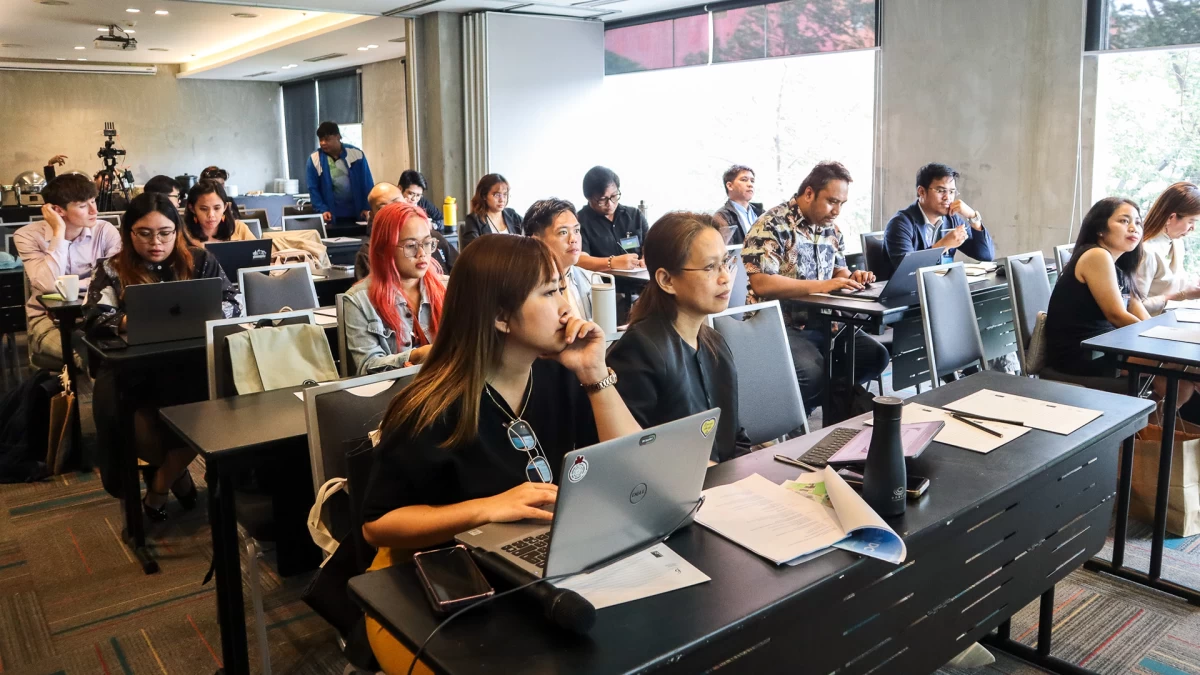
Held consecutively in Quezon City, Bacolod City, and Davao City, the Reimagine NDC consultations gathered representatives from the local government, the private sector, and civil society to discuss their roles in advancing the nation’s climate commitments.
“[In driving climate action], we need a whole-of-society approach. The NDC implementation should not be done by just one side, but we all should be working together toward the same goals, all the while accepting that we have differing roles to play in achieving them,” highlighted Rolando O. Abad Jr., Science Research Specialist II from the DENR’s Climate Change Service.
The Reimagine NDC consultations are part of the Climate Reality Philippines’ Climate Diplomacy Program, which fosters meaningful stakeholder engagement in contributing to the national emissions reduction and mitigation targets.
“As the government prepares a more ambitious NDC, raising unconditional targets and recognizing sector-wide efforts are essential. Efforts to empower multisectoral collaboration ensure national targets reflect the country’s full climate potential,” said Aimee P. Oliveros, interim branch manager of Climate Reality Philippines.
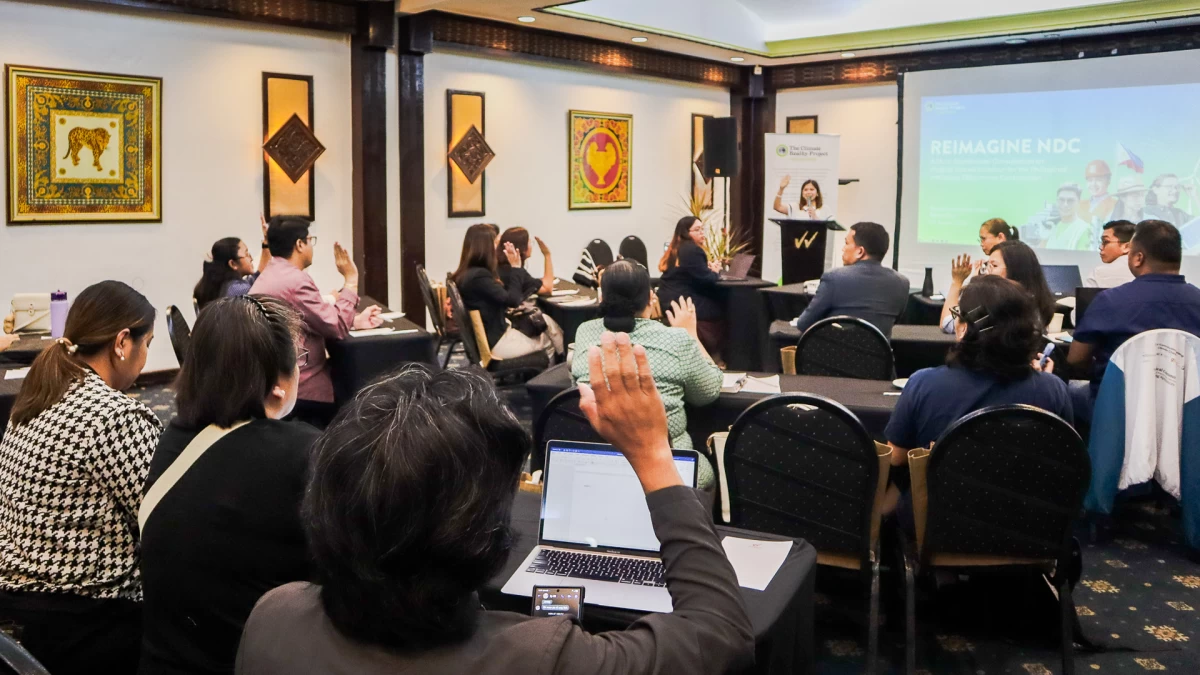
A space for collaboration
“We are looking at this consultation as not just a dialogue, but a space for reflection, collaboration, and, of course, reimagining how we define, deliver, and elevate our climate ambitions,” said Hershey dela Cruz, Chief Science Research Specialist at the Energy Planning Bureau, DOE.
A significant takeaway is that local climate actions already being implemented are unaccounted measures for our NDC. This proves overcoming this disconnect demands a whole-of-society effort.
The consultations shed light on the urgent need for stronger support to ensure that the cumulative impact of subnational governments and the private sector is measured, tracked, and reported.
Ultimately, empowering public and private stakeholders requires indispensable pillars of support for clear operational guidance, access to financial resources, sustained capacity-building programs, and institutionalized systems to fully maximize the potential of our collective initiatives and translate them into measurable progress on our country’s commitments.
“[Just submitting our NDC] is no longer sufficient. These must actually be implemented with the best of the country's abilities, [...] making sure that we're able to do everything that is within the power of the country, taking all actions that are possible and appropriate to really fulfill the commitments that we put forward in the NDC,” said Isabella Ann Mendoza, senior policy specialist at Parabukas.
Reimagining climate commitments
When it comes to national climate action, on-ground stakeholders’ initiatives have a share in the targets.
From the Reimagine NDC consultations, it was clear that the LGUs, private sector, and civil society are willing to take part in achieving the country’s climate commitments.
These sectors have best practices and implementing strategies that significantly lead the effort to decarbonize the country.
“[To ensure full success of our NDCs], we need to bridge the gap between the LGU and the national government. Some LGUs cannot actively participate [in the NDC implementation] because they don't have the capacity, so this is where we need to work together on how to address these gaps,” said Director Michael O. Sinocruz from the DOE’s Energy Policy and Planning Bureau, as part of his talk during the consultations’ Visayas leg in Bacolod City.
These gaps that civil society bridges with programs like Reimagine NDC open climate action conversations to a wider range of stakeholders. This reflects the stakeholders’ hope to be engaged in a "bottom-up approach," where the needs, capacities, and ideas of communities are foremost considered when setting climate targets.
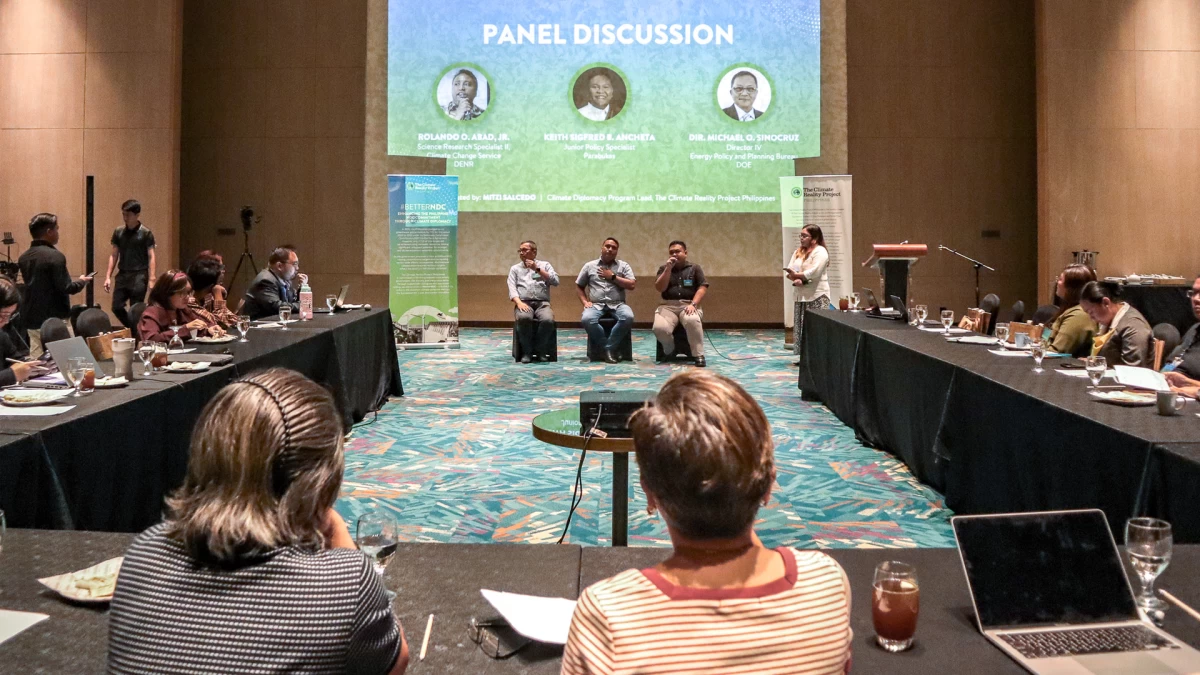
“We thank the civil society for being there to at least bridge the local government and the national government. We need other segments of society to be working with us for us to achieve a whole-of-society approach to addressing climate change,” added Director Sinocruz.
Following the success of its Reimagine NDC consultations, Climate Reality Philippines is set to develop a report consolidating the insights and recommendations shared by the participants and resource speakers alike.