







A race against time
Can solar energy help the Philippines beat the climate clock?
By Mat Richter


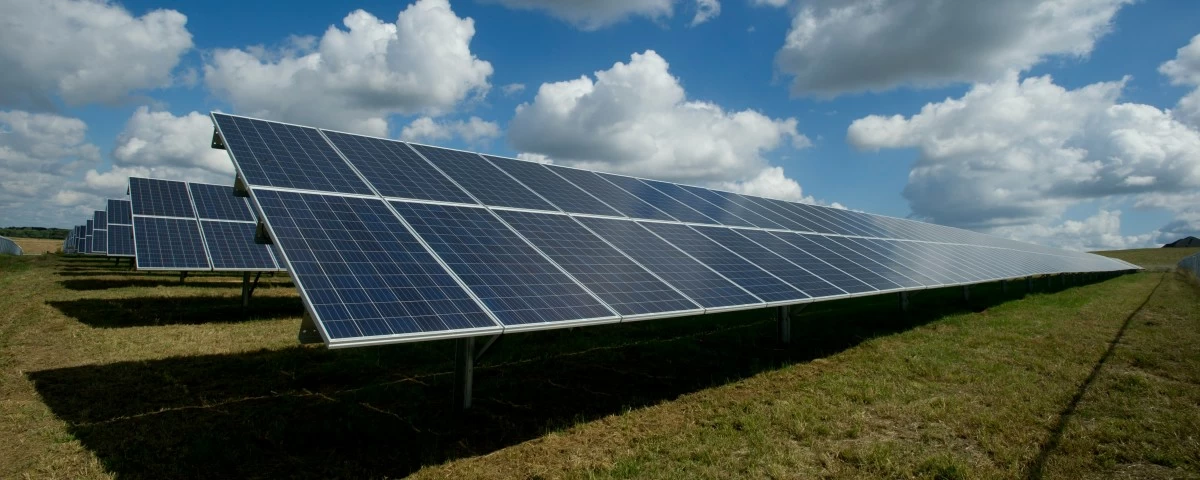
Time is slipping away, and there’s no doubt we are in a race against the irreversible impacts of the climate crisis. If this were a disaster film, the villains would be none other than us, humans, who’ve exploited the Earth’s natural resources. Luckily, nature remains somewhat forgiving, still offering solutions to the very problems we’ve created.
In the Philippines, solar energy leaders are pushing for easier consumer access. The country aims to source 35 percent of its renewable energy (RE) targets by 2030, with the solar industry gaining attention for its ambitious targets and completed projects.
One priority at the Department of Energy (DOE), according to Edward Neri, OIC and Chief of Solar Energy Management Division of DOE, is ensuring that national RE policies are effectively implemented at the local level. In regions like Calabarzon, this means working closely with local government units to strengthen permitting guidelines and make net metering more accessible.
In Cebu City, Councilor Joel Garganera expressed that Cebuanos should expect changes that will make the process faster and simpler, adding that the city plans to provide incentives for those who adopt RE.
“To make the solar adoption easier, Cebu City will ensure, with the new administration, that the official office of the building streamlines net metering requirements by minimizing red tape,” he said.
Meralco claimed it is committed to making the interconnection process simpler and clearer for those interested in adopting solar.
“Through initiatives like net metering and distributed energy resources, we aim to empower consumers. By working with local governments, solar installers, and industry partners, we can accelerate rooftop solar adoption across Calabarzon,” said Engr. Botany Anne Sevilleja-Briones, executive assistant at Meralco.
Civil society groups, including Clean Energy Advocates Association of PH and Philippine Solar and Storage Energy Alliance, are also urging governments and businesses to "raise industry standards and build consumer confidence."
“Beyond financing and market competition, installers face challenges from unclear or inconsistent implementation of standards,” said Bernard Torralba, owner of solar installation company Solar Hyperion. “Stronger national and regional policies that enforce safety and quality, while supporting accredited practitioners, will raise industry standards and protect the installers and consumers.”
Meanwhile, the nonprofit New Energy Nexus reported that the country’s clean energy and climate startups have grown sixfold, from 15 in 2020 to 91 in 2024.
We risk drowning in data if plans remain only on paper and in press releases. This is where the average citizen plays a role — by holding leaders accountable for their words. If more of us harness the sun for power generation, we can return power to both the planet and its people.