A sigh of relief: CyberKnife now available
Transforming lung cancer treatment in the Philippines
By MBrand
Published Aug 27, 2025 09:23 am


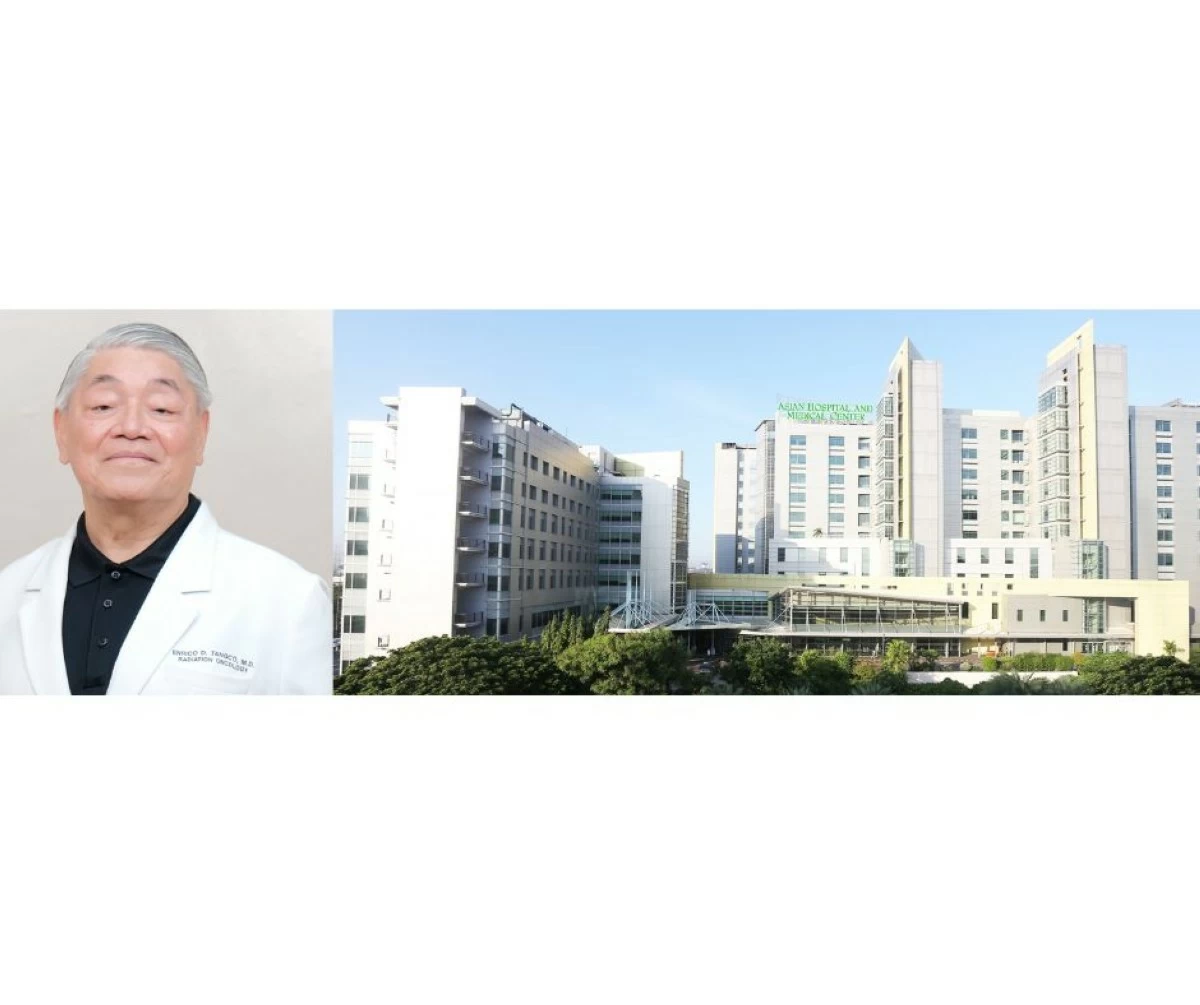
Dr. Enrico Tangco
Radiation Oncologist, Asian Cancer Institute
Asian Hospital and Medical Center
Lung cancer is the second most common cancer in the country, making it also the second most common cause of cancer-related deaths. It can happen to both males and females but it’s the most frequently observed in men. The disease happens when cells in the lungs grow out of control, which can spread to lymph nodes or other body parts like the brain. While smoking is considered the primary risk, other factors – both genetic and environmental - contribute to its occurrence.
Diagnosis and treatment
Unfortunately, sufferers may be asymptomatic, often leading to diagnoses only happening at an advanced stage. This makes routine checks important to ensure early detection for proper treatment and timely intervention. When presenting symptoms, lung cancer can show us coughing that doesn’t go away or gets worse, chest pain, shortness of breath, wheezing, coughing up blood, fatigue, or weight loss without a known cause. Recurring pneumonia and swollen or enlarged lymph nodes in the chest area may also be indicators, warranting several tests to confirm diagnosis.
Depending on the stage and type of lung cancer, treatment may be in the form of chemotherapy, immunotherapy, targeted therapy, surgery, radiation, or a combination of these. When a patient is prescribed to undergo radiotherapy, that’s when a radiation oncologist like me comes in.
In radiation therapy, we use machines that allow us to beam intense energy to kill cancer cells. It can be given before a surgery to shrink a cancer/tumor, or after surgery to end growth if there are remaining cancer cells. They can either be external, where beams are aimed at the tumor or surrounding areas from the outside, or internal, wherein an implant is placed directly on or into the tumor.
Safer and more effective treatment of lung cancer
In my several years of practice, every new technology that’s proven safe and effective is a blessing. It gives us practitioners the opportunity to present more hope and good news to our patients. Stereotactic Body Radiation Therapy (SBRT), a specialized form of external therapy that delivers concentrated doses of targeted radiation, is the most promising by far.
Learning about CyberKnife technology brought me a lot of excitement. It is a leading technology in SBRT that utilizes a robotic radiation delivery system that automatically and continuously tracks and synchronizes treatment delivery to tumors without restricting a patient's natural breathing. Delivery remains precise and targeted even when the patient moves along with their breathing. CyberKnife technology shares the promise of precise, efficient, painless, and real-time tumor tracking for patients with lung cancer.
While there are existing technologies, this new machine is an answer to the side effects and concerns that radiotherapy can bring to a patient. Of course, the goal of every treatment is to be effective without causing too much negative impact on the patient’s well-being. That’s the challenge with radiation – how to effectively treat the cancer without damaging sensitive tissues and other vital organs surrounding the lungs. With this precise technology, there’s a lesser risk of affecting healthy tissues and organs, ensuring effective treatment without posing additional damage to the patient.
As the technology delivers higher doses, it also shortens the therapy session. Treatments are often completed in three to four sessions across one to two weeks. As it is targeted, common side effects (e.g.shortness of breath, swallowing difficulties, or sore throat) are reduced, and patients are expected to continue with normal activities even during the treatment period. This also means reduced incidence of common side effects.
The Asian Cancer Institute of the Asian Hospital and Medical Center is the institution bringing this technology to the country. And we are happy to share that CyberKnife is now available in the Philippines. If you or someone you know would benefit from this treatment, do not hesitate to get in touch with Asian Hospital’s Asian Cancer Hotline at 8-771-9000 local 8105, or send us an email at [email protected] for inquiries. We are also encouraging our colleagues in oncology to explore partnerships with us in bringing this blessing of medical technology to cancer patients.