






Manila Bulletin
 Philippines
National
'The door is always open': House exec clears up interim rules on people's participation in budget talks
Philippines
National
'The door is always open': House exec clears up interim rules on people's participation in budget talks
Philippines
National
'The door is always open': House exec clears up interim rules on people's participation in budget talks
'The door is always open': House exec clears up interim rules on people's participation in budget talks
Published Aug 26, 2025 09:29 am


At A Glance
- The House of Representatives has doubled down on the importance of civil society organization (CSO) participation in the crafting of the national budget.
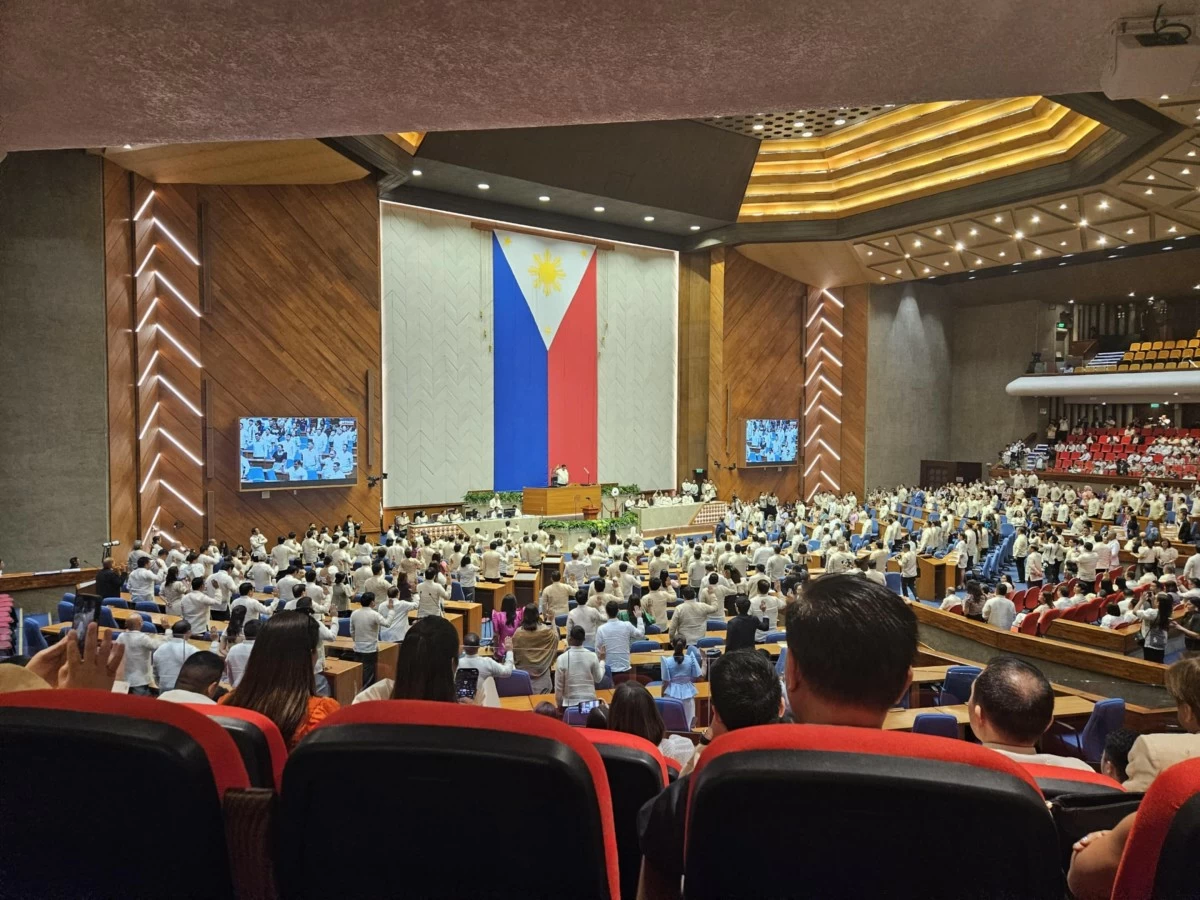
The House plenary (Ellson Quismorio/ MANILA BULLETIN)
The House of Representatives has doubled down on the importance of civil society organization (CSO) participation in the crafting of the national budget.
This, as House Spokesperson Princess Abante made clarifictions Tuesday, Aug. 26, on the Interim Guidelines on People’s Organizations’ Engagement in the Committee on Appropriations' deliberations on the P6.793-trillion National Expenditure Program (NEP) for 2026.
As the budget deliberations entered its second week, Abante said the lower chamber values the role of CSOs in amplifying community voices and ensuring accountability.
“The House leadership has been transparent from the beginning: this year’s guidelines are interim, designed to fit within the constitutional and operational limits of the 2026 budget calendar,” said the lawyer-spokesperson.
“We are navigating strict timelines, complex logistics, and the need to integrate a new system of public participation into a highly structured legislative process,” she added.
Abante says the mechanisms are “not yet the final model", adding that the current year serves as a pilot period to identify bottlenecks and improve institutional processes.
“This year is just the beginning. The People’s Budget is not a slogan—it is a living process we are committed to refining, with the help of civil society,” said Abante, who insisted that the House was committed to building a long-term participatory framework based on evidence, experience and stakeholder feedback.
“We chose to move forward—even with limitations—because delaying reform would only delay people’s voices. We did not want perfection to be the enemy of participation,” Abante stressed.
As of Aug, 24, six organizations have been accredited to participate in the 2026 budget deliberations: the Federation of Free Farmers Cooperatives, SafeTravelPH Mobility Innovations Organization, Makati Business Club, Alyansa ng Nagkakaisang Mamamayan, Center for People Empowerment in Governance, and WeSolve Foundation.
“We thank these organizations for their constructive engagement, adherence to the process, and dedication to pursuing reforms from within. Their participation reflects a commitment to dialogue over division, and collaboration over criticism,” she said.
The House also released a breakdown of the accreditation process: six CSOs were accredited, four indicated intent to submit requirements, two deferred participation, and 14 have yet to respond.
“The door is always open. Participation is not a one-shot deal—it is a commitment we can build on together,” Abante said.
She said the House is treating the 2026 experience as a “valuable baseline for building a more robust framework for 2027 and beyond".
“Speaker Ferdinand Martin G. Romualdez and the House leadership are committed to documenting this year’s implementation lessons, engaging CSOs in post-budget assessments, and crafting a more inclusive and standardized participation framework in future budget cycles,” Abante said.
She added: “This is part of the House’s broader effort to institutionalize people’s participation not just in budgeting—but in lawmaking, oversight, and national development.”
Abante appealed to CSOs to continue working with the House.
“We urge our partners in civil society to continue engaging, continue critiquing, but most importantly, continue participating. The budget affects every Filipino—and every Filipino voice deserves space in the conversation,” Abante said.
“Let us not stay on the sidelines. Let’s help shape the process. Reforms are not handed down—they are built, hand in hand,” she concluded.