ADVERTISEMENT

Protect overseas women workers; adopt holistic, gender-based approach

Published Aug 26, 2025 12:05 am  |  Updated Aug 25, 2025 02:16 pm
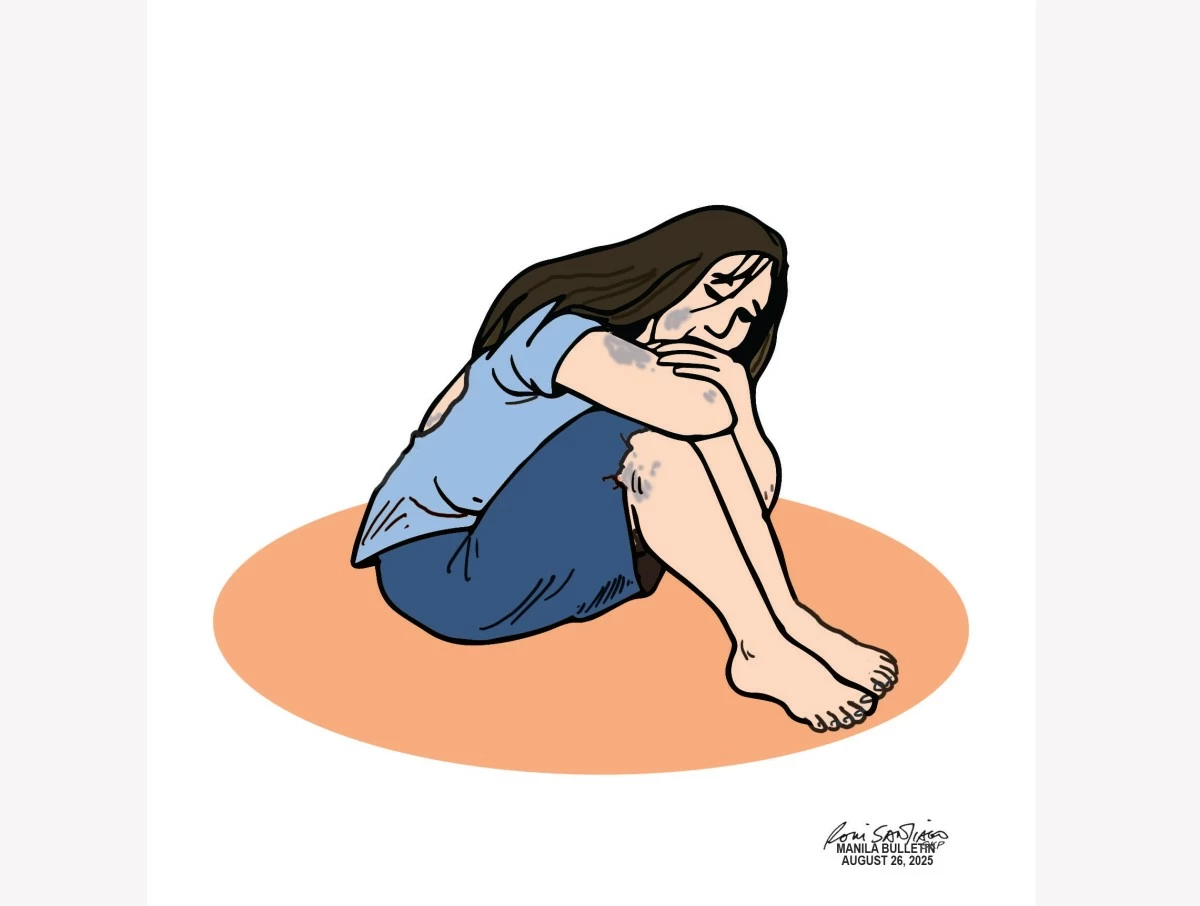
As the nation applauds the unstinting contribution of overseas Filipino workers (OFWs), it is equally important to pay attention to the plight of abused women workers. This was pointed out by Rep. Bryan Revilla, the chairperson of the House Committee on Overseas Workers Affairs.
He observed that three out of four, or 75 percent of the nearly 24,000 abuse cases involved women workers in the Gulf region, and that "the other side of the story does not tell of prosperity… but of pain." The irony, as he has aptly noted, is that the blight suffered by our women does not end within the country, but continues in their trail as they seek the proverbial greener pastures in foreign lands. abundance of oil and gas reserves. Thousands of OFWs are employed in countries in the Arabian Peninsula and the Persian Gulf whose economies are powered by an abundance of oil and gas reserves.
What is clearly needed is “a holistic, gender-based approach” that would enhance protection for our women workers overseas and provide them adequate assistance.
Citing Philippine Statistics Authority (PSA) figures, Revilla said that 64 percent of female OFWs—some 1.2 million—were engaged in “elementary occupations” or low-skilled, low-valued work. Hence, they are often treated as second-class citizens, and not accorded parity with their male counterparts.
This is truly ironic considering that the labor they perform involves not just housekeeping but the raising of young children and the nursing of their elders. As this dismal situation has been festering for decades, there is a need to "champion legislation that dismantles abusive systems and restores dignity to every Filipino abroad.” Meantime, expeditious repatriation measures must be put in place to shield our abused women workers from suffering undue harm.
This congressional initiative must be matched by proactive measures on the part of the Department of Migrant Workers (DMW) and the Overseas Workers Welfare Administration (OWWA) that are mandated to secure the well-being of Filipinos working abroad.
First, the DMW must strengthen the network of protection and safety mechanisms for Filipina workers across the Gulf and Persian regions as many of them continue to suffer in silence due to fear, isolation, or lack of access to support. Safe-shelter facilties must be upgraded to ensure 24/7 security, clean living conditions, trauma-informed staff, and access to legal and medical aid.
Second, rescue operations must be more responsive and well-coordinated. In partnership with diplomatic posts, DMW and OWWA must maintain an active network of field offices prepared for quick-response action on reports of abuse. Special attention must be given to workers trapped in exploitative or locked-in households.
Third, collaboration with host governments and local NGOs must be institutionalized to facilitate prosecution of abusive employers, and long-term support for survivors reintegrating back home.
These actions are not merely administrative tasks; they are lifelines for women in danger. The government must demonstrate its commitment not just through policy but through tangible and timely on-ground protection. Our overseas women workers deserve no less.
ADVERTISEMENT
.most-popular .layout-ratio{ padding-bottom: 79.13%; } @media (min-width: 768px) and (max-width: 1024px) { .widget-title { font-size: 15px !important; } }

{{ articles_filter_1561_widget.title }}

.most-popular .layout-ratio{ padding-bottom: 79.13%; } @media (min-width: 768px) and (max-width: 1024px) { .widget-title { font-size: 15px !important; } }

{{ articles_filter_1562_widget.title }}

.most-popular .layout-ratio{ padding-bottom: 79.13%; } @media (min-width: 768px) and (max-width: 1024px) { .widget-title { font-size: 15px !important; } }

{{ articles_filter_1563_widget.title }}

{{ articles_filter_1564_widget.title }}

.mb-article-details { position: relative; } .mb-article-details .article-body-preview, .mb-article-details .article-body-summary{ font-size: 17px; line-height: 30px; font-family: "Libre Caslon Text", serif; color: #000; } .mb-article-details .article-body-preview iframe , .mb-article-details .article-body-summary iframe{ width: 100%; margin: auto; } .read-more-background { background: linear-gradient(180deg, color(display-p3 1.000 1.000 1.000 / 0) 13.75%, color(display-p3 1.000 1.000 1.000 / 0.8) 30.79%, color(display-p3 1.000 1.000 1.000) 72.5%); position: absolute; height: 200px; width: 100%; bottom: 0; display: flex; justify-content: center; align-items: center; padding: 0; } .read-more-background a{ color: #000; } .read-more-btn { padding: 17px 45px; font-family: Inter; font-weight: 700; font-size: 18px; line-height: 16px; text-align: center; vertical-align: middle; border: 1px solid black; background-color: white; } .hidden { display: none; }
function initializeAllSwipers() { // Get all hidden inputs with cms_article_id document.querySelectorAll('[id^="cms_article_id_"]').forEach(function (input) { const cmsArticleId = input.value; const articleSelector = '#article-' + cmsArticleId + ' .body_images'; const swiperElement = document.querySelector(articleSelector); if (swiperElement && !swiperElement.classList.contains('swiper-initialized')) { new Swiper(articleSelector, { loop: true, pagination: false, navigation: { nextEl: '#article-' + cmsArticleId + ' .swiper-button-next', prevEl: '#article-' + cmsArticleId + ' .swiper-button-prev', }, }); } }); } setTimeout(initializeAllSwipers, 3000); const intersectionObserver = new IntersectionObserver( (entries) => { entries.forEach((entry) => { if (entry.isIntersecting) { const newUrl = entry.target.getAttribute("data-url"); if (newUrl) { history.pushState(null, null, newUrl); let article = entry.target; // Extract metadata const author = article.querySelector('.author-section').textContent.replace('By', '').trim(); const section = article.querySelector('.section-info ').textContent.replace(' ', ' '); const title = article.querySelector('.article-title h1').textContent; // Parse URL for Chartbeat path format const parsedUrl = new URL(newUrl, window.location.origin); const cleanUrl = parsedUrl.host + parsedUrl.pathname; // Update Chartbeat configuration if (typeof window._sf_async_config !== 'undefined') { window._sf_async_config.path = cleanUrl; window._sf_async_config.sections = section; window._sf_async_config.authors = author; } // Track virtual page view with Chartbeat if (typeof pSUPERFLY !== 'undefined' && typeof pSUPERFLY.virtualPage === 'function') { try { pSUPERFLY.virtualPage({ path: cleanUrl, title: title, sections: section, authors: author }); } catch (error) { console.error('ping error', error); } } // Optional: Update document title if (title && title !== document.title) { document.title = title; } } } }); }, { threshold: 0.1 } ); function showArticleBody(button) { const article = button.closest("article"); const summary = article.querySelector(".article-body-summary"); const body = article.querySelector(".article-body-preview"); const readMoreSection = article.querySelector(".read-more-background"); // Hide summary and read-more section summary.style.display = "none"; readMoreSection.style.display = "none"; // Show the full article body body.classList.remove("hidden"); } document.addEventListener("DOMContentLoaded", () => { let loadCount = 0; // Track how many times articles are loaded const offset = [1, 2, 3, 4, 5, 6, 7, 8, 9, 10]; // Offset values const currentUrl = window.location.pathname.substring(1); let isLoading = false; // Prevent multiple calls if (!currentUrl) { console.log("Current URL is invalid."); return; } const sentinel = document.getElementById("load-more-sentinel"); if (!sentinel) { console.log("Sentinel element not found."); return; } function isSentinelVisible() { const rect = sentinel.getBoundingClientRect(); return ( rect.top < window.innerHeight && rect.bottom >= 0 ); } function onScroll() { if (isLoading) return; if (isSentinelVisible()) { if (loadCount >= offset.length) { console.log("Maximum load attempts reached."); window.removeEventListener("scroll", onScroll); return; } isLoading = true; const currentOffset = offset[loadCount]; window.loadMoreItems().then(() => { let article = document.querySelector('#widget_1690 > div:nth-last-of-type(2) article'); intersectionObserver.observe(article) loadCount++; }).catch(error => { console.error("Error loading more items:", error); }).finally(() => { isLoading = false; }); } } window.addEventListener("scroll", onScroll); });

Sign up by email to receive news.