







DA eyes new role for importers in rice buffer stocking
Published Aug 26, 2025 06:02 pm


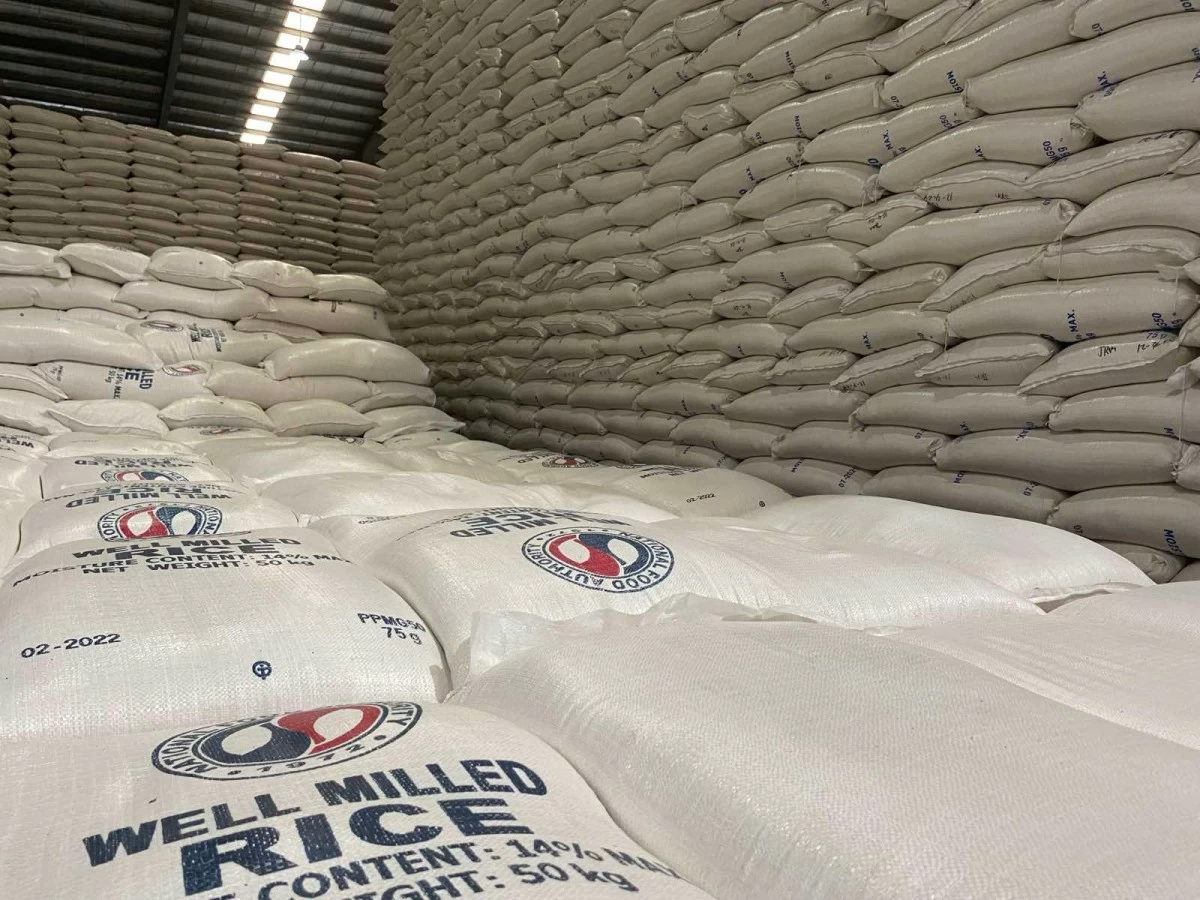
The Department of Agriculture (DA) is looking to overhaul the country’s rice importation rules by introducing a requirement for importers to take part in maintaining the country’s rice buffer stocks as part of a cost-cutting effort.
In a statement on Tuesday, Aug. 26, the DA recalled that Agriculture Secretary Fransisco Tiu Laurel told the Senate Committee on Agriculture of the agency’s push to amend the Rice Tariffication Law (RTL).
The DA, under Tiu Laurel’s helm, has been pushing to revise the RTL. During the committee’s recent hearing, he bluntly flagged the law for threatening to “kill” the rice industry instead of its intention to reform it.
The secretary has been urging lawmakers to amend the law to restore key regulatory powers of the National Food Authority (NFA). Among these powers include the ability to regulate supply, stabilize prices, and intervene in times of crisis.
Tiu Laurel said the agency is not eyeing the authority to import rice, instead retaining importation under the private sector to enable them to “have skin in the game.”
“If we aim to have a 20-day rice buffer stock, we’re thinking of a 50-50 split between the NFA and the private sector,” he said.
Under the RTL, which was previously revised last year, the NFA is expected to maintain a 15-day national rice buffer stock, up from the previous nine-day mandate.
All rice under this reserve must be sourced from local farmers in a bid to support domestic agriculture.
Under Tiu Laurel’s proposal, rice imports will follow a “controlled model” similar to the sugar import program of the Sugar Regulatory Administration (SRA).
Under SRA’s policy, only qualified importers are given import allocations.
Aside from importing foreign rice, importers would be obliged to procure palay or unmilled rice from local farmers at “fair prices.”
Tiu Laurel said this initiative will reduce the cost of buffer stocking for the government.
Earlier this year, NFA Administrator Larry Lacson said the grains agency would need still an additional ₱9 billion in funding to comply with the 15-day requirement.
Lacson said the previously allocated ₱9 billion was only enough for the initial nine-day buffer stock.
Under the National Expenditure Program (NEP), which details the government’s proposed national budget next year, the NFA’s buffer stocking program was earmarked with ₱11.2 billion.
The funding has been set aside for the procurement of 300,000 metric tons (MT) of palay “that will be used during crises, such as emergencies and disasters.”
At present, the NFA can only purchase about five percent of palay output due to limited warehousing and drying capacity.
In line with this, Tiu Laurel also raised the need for the DA to have regulatory power over rice imports to prevent oversupply,
“We must regain control. Rice is a commodity imbued with too much public interest to leave entirely to the private sector,” he explained, noting that abundant supply leads to lower farmgate prices.
He said the DA’s attached corporations—Food Terminal, Inc. and Planters Products Inc.—would import on behalf of the government, if needed.