






Manila Bulletin
 Business
Banking & Finance
BSP chief Remolona flags risk to Fed independence; Philippine economy seen vulnerable
Business
Banking & Finance
BSP chief Remolona flags risk to Fed independence; Philippine economy seen vulnerable
Business
Banking & Finance
BSP chief Remolona flags risk to Fed independence; Philippine economy seen vulnerable
BSP chief Remolona flags risk to Fed independence; Philippine economy seen vulnerable
By Derco Rosal
Published Aug 26, 2025 04:16 pm


At A Glance
- Bangko Sentral ng Pilipinas (BSP) Governor Eli M. Remolona Jr. has expressed concern over growing divisions among United States (US) officials on the policy direction of the world's largest economy.
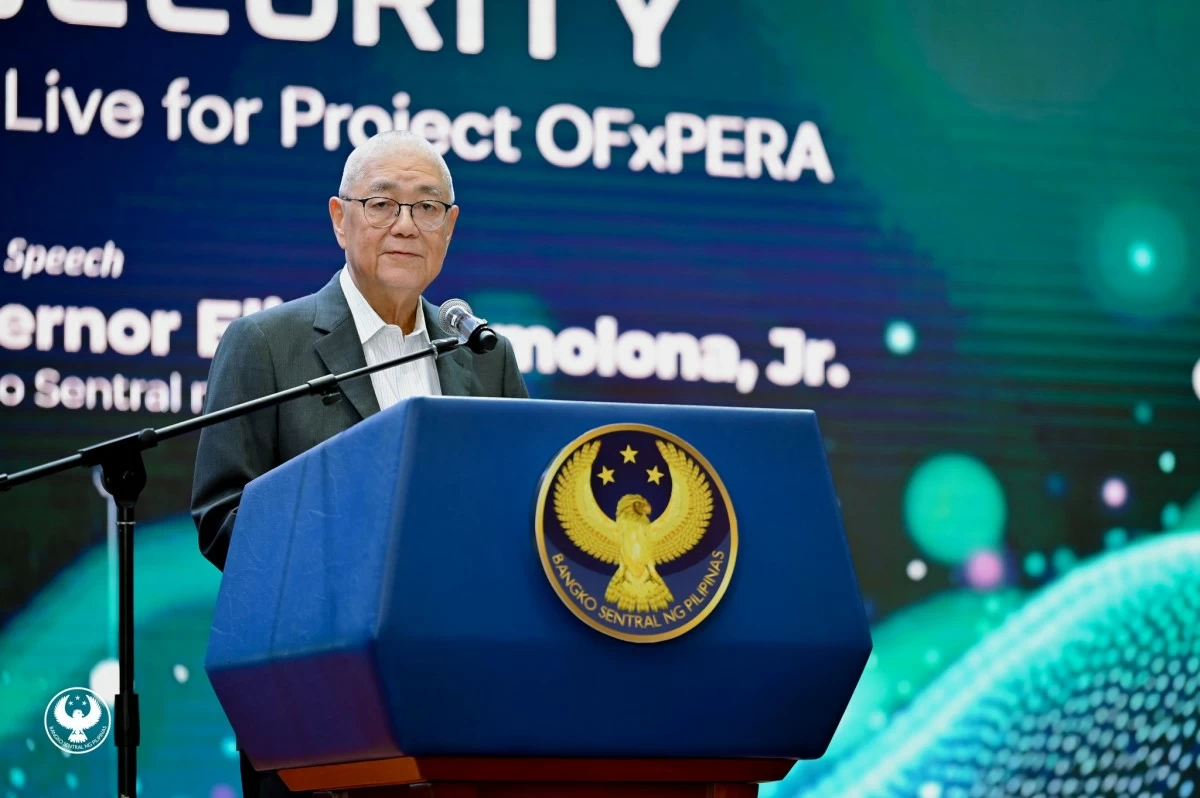
Bangko Sentral ng Pilipinas (BSP) Governor Eli M. Remolona Jr. has expressed concern over growing divisions among United States (US) officials on the monetary policy direction of the world’s largest economy.
On the sidelines of the Manila Tech Summit on Tuesday, Aug. 26, Remolona told reporters he shares the same concern as that expressed by central bankers on the threat of US President Donald J. Trump’s influence on the US Federal Reserve’s (Fed) independence.
He describes this threat to the Fed’s independence as “very significant,” but he did not elaborate why.
To note, Trump has been threatening to fire Fed Chair Jerome H. Powell from his post due to Powell’s reluctance to reduce interest rates.
Remolona told reporters that “the reason he’s [Jerome Powell] staying is not so much about monetary policy—it’s more about protecting the independence of the Fed, which protects the independence of other central banks.”
Local economists warned that political pressure on the Fed threatens to undermine central bank independence, a risk they say could trigger global contagion with spillover effects on the Philippine economy.
“Political pressure on the US Federal Reserve could shake the foundations of central bank independence worldwide. If the Fed caves, it’s not just America’s problem—it’s a global contagion,” said Jonathan Ravelas, senior adviser at Reyes Tacandong & Co.
Rizal Commercial Banking Corp. (RCBC) chief economist Michael Ricafort also stressed that the independence of the US central bank remains an important concern for markets.
“Central banks like the BSP may face growing pressure to prioritize politics over price stability. That’s dangerous,” Ravelas further said.
Oikonomia Advisory and Research Inc. economist Reinielle Matt Erece noted that political leaders often push for popular but unsound measures, while the Fed at times takes unpopular steps, such as holding off rate cuts during Trump’s tariff policies to curb inflation.
“This disconnect between economic managers and political figures in the US may cause political instability and lower economic confidence in the US,” Erece said.
“This rift is a big concern as the US economy is one of the largest in the world, and the Philippine economy is also closely affected by it as the US is one of our largest trading partners and a major source of remittances,” Erece asserted.
As such, Ravelas urged the BSP to strengthen its legal safeguards and enhance transparency.
“Credibility is currency. Lose it, and you pay the price in inflation and investor flight,” Ravelas said.
Meanwhile, strong legal institutions are important for markets, Ricafort said, as global regulators encourage firms and governments to follow environmental, social, and governance (ESG) standards to attract more local and foreign investors.
For Angelo Taningco, Security Bank chief economist, markets should watch Trump’s upcoming Federal Open Market Committee (FOMC) appointees, as their stance will show whether they support his push for rate cuts or act independently.
“A Fed that becomes dependent on Trump could raise US inflation risk, which, in turn, is negative to US stock and bond markets,” Taningco said.