







Heroes were people, too
Remembering the ordinary Filipinos who lived extraordinarily well
By Dom Galeon
Published Aug 25, 2025 12:05 am
|
Updated Aug 24, 2025 03:31 pm


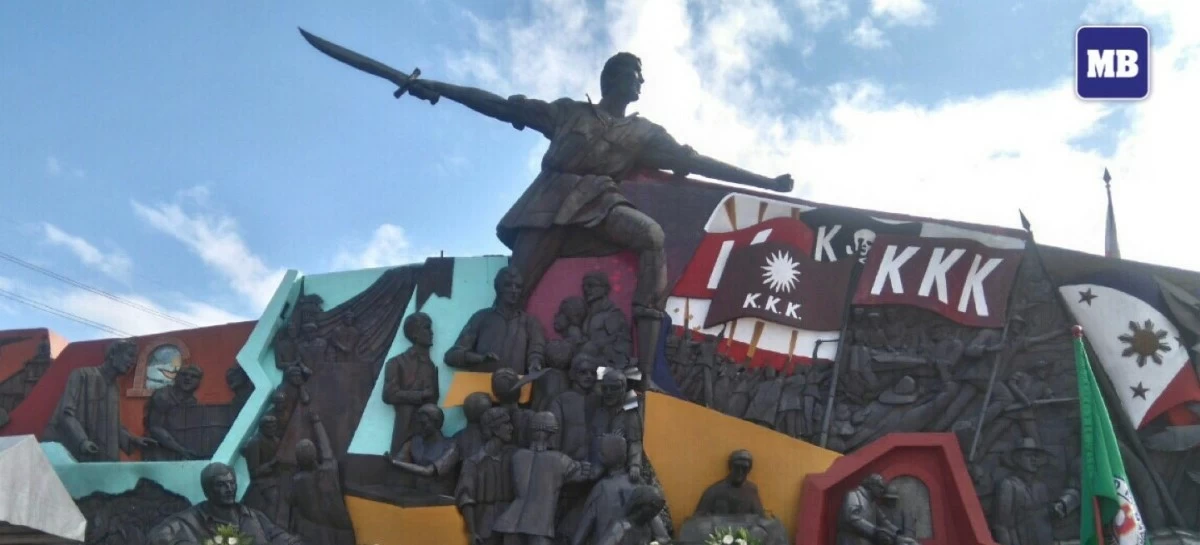
It is no coincidence that August in the Philippines is a month for heroes and history. In this month, every year, there are several celebrations that highlight significant moments in the country’s past—milestones that mark the growth of what has now become the Filipino nation.
Yet, in this month dedicated to remembering how we got to where we are right now, oftentimes people get too caught up in what can be considered academic. For instance, the reason why National Heroes Day is celebrated on the last Monday of August is to commemorate the so-called Cry of Pugad Lawin, which has been considered as the beginning of the Philippine Revolution against Spain in 1896. Reading about Pugad Lawin, one of the first things one might encounter is how historians have historically been unsure of where and when this “cry” happened. Some even debate whether there was indeed a “cry” or uproar, or if an actual shouting of some catchphrase happened.
History gets lost in the details, one might say.
One other fact that is often overlooked when it comes to honoring heroes is the reality that these men and women were exactly that—men and women. Heroes were people, too. They lived the same kind of lives most Filipinos have, felt the same type of feelings every person has, and experienced suffering in the manner that every human being does.
In short, these Filipinos that we honor for their extraordinary achievements when history, or better yet opportunity, called upon them were also ordinary Filipinos. To put it rather cheekily: none of them had superpowers, save perhaps for their overwhelming desire to see the Filipino nation thrive—whether it be the heroes who cried at Pugad Lawin and those who fought against the Spaniards, or Ninoy Aquino whose death heralded a change in the times (also commemorated in August), or the frontline workers who fulfilled their ordinary duties in extraordinary fashion during extreme circumstances.
Even the Filipino word for hero has an interestingly ordinary meaning. Some sources argue that “bayani” does not denote heroism in the same sense that its western counterpart words (“heroé” in Spanish and hero in English) do. In the latter, a hero is someone who is set apart from others primarily due to some extraordinary ability, as in the sense of a Greek hero, for example. On the other hand, “bayani” due to one of its accepted etymologies, inherently describes a person who is one with the “bayan” or the nation. There can be no “bayani” without the “bayan.”
Others explain that the word “bayani” comes from two other Austronesian origins referring to someone who is a protector or a warrior (as in similar to the Cebuano “bagani”), or as in “barani” in proto-malayo-polynesian, which means someone who “dares to do” or is brave.
This perspective puts heroes, our “bayani,” under the spotlight that they deserve. As light casts shadows, so do the extraordinary feats of heroes make these ordinary men and women whole.
Take, for instance, the Katipuneros who gathered at Pugad Lawin. They were ordinary folk, the everyday Filipino of their time, representing the different facets of life under the latter part of Spanish colonial rule in the Philippines. Their leaders, most notably Andres Bonifacio and Emilio Jacinto, who led this gathering at the house of Juan Ramos (son of Melchora Aquino or “Tandang Sora”), inspired the best of them and called them to stand for freedom even when circumstances were not completely in their favor. Their bravery, expressed in the cries—loud or silent—in the fateful evening, sparked a revolution that although ultimately unsuccessful, served as a reminder to other ordinary Filipinos that liberty is worth fighting for.
This echoes yet another cry, made centuries later, by another ordinary Filipino who used his extraordinary talents to make a stand. “The Filipino is worth dying for,” said Ninoy Aquino, whose life became a testament to these words. At a time when even mere words could get someone deprived of liberty, Ninoy spoke unceasingly. At a time when many suffered in silence, in the shadows, he stood under the limelight not for himself but for those who had no voice.
Giving voice to those who are silent is akin to hearing the last cries of those who had no one to comfort them, as was the experience of the victims of the Covid-19 pandemic. They only had the ordinary men and women in scrubs, these frontline healthcare workers, to listen to them and be with them in their final moments. What was seemingly an ordinary task was done extraordinarily well during a time when the rest of the country—the whole world!—retreated in fear. These frontliners, modern heroes indeed, fought on.
Seeing heroes this way does not dishonor them. On the contrary, it highlights how important it is not to lose sight of why they became heroes in the first place, and every last Monday of August, Filipinos are being called to turn their ordinary lives into something greater. And it starts by remembering those who came before and gave their lives so that those who would come later can get a shot at a better future.
What do the ordinary Filipinos of today have to offer in response to the extraordinary feats of their forebears? With hope, it is that what these heroes stood for had not been for naught.