






The International Criminal Court (ICC) Registry said that it received 303 applications from people who want to be recognized as victims of former president’s Rodrigo Duterte’s war on drugs.
Manila Bulletin
 Philippines
National
Over 300 drug war victims apply to take part in Duterte's ICC case
Philippines
National
Over 300 drug war victims apply to take part in Duterte's ICC case
Philippines
National
Over 300 drug war victims apply to take part in Duterte's ICC case
Over 300 drug war victims apply to take part in Duterte's ICC case
Published Aug 24, 2025 12:58 pm
|
Updated Aug 24, 2025 01:41 pm


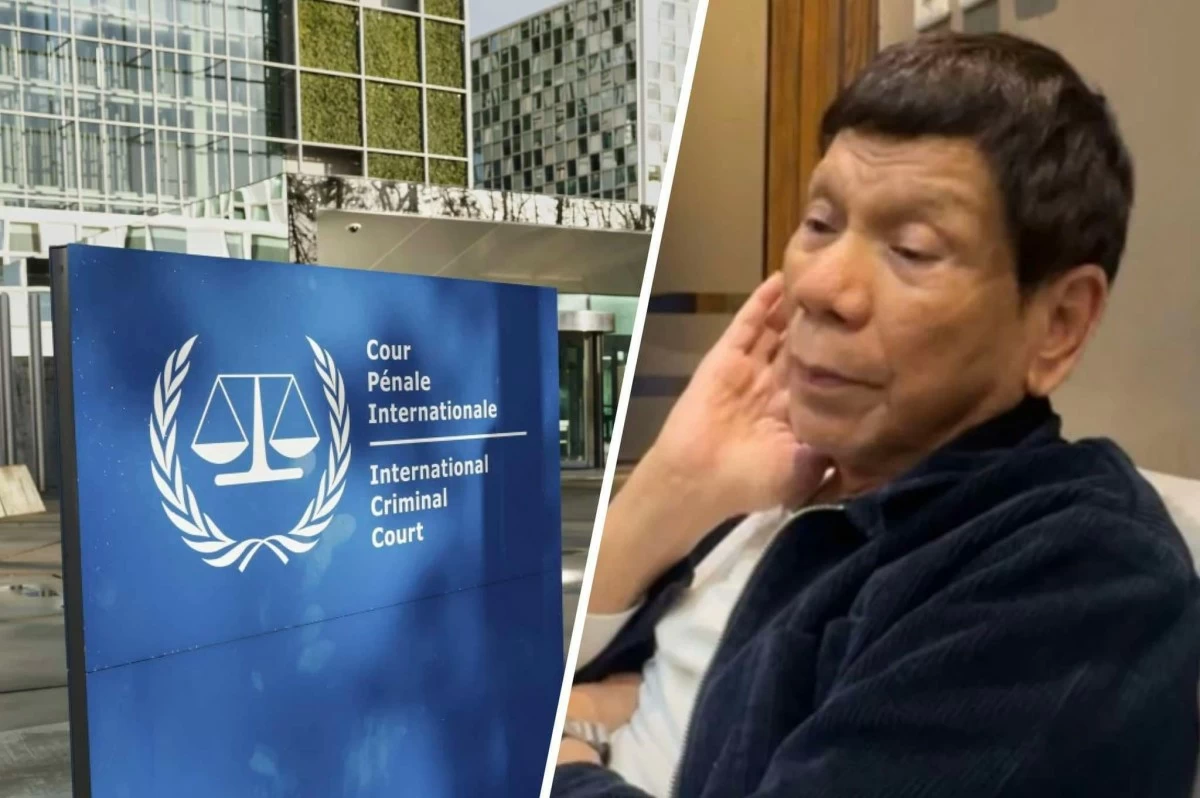
Former president Rodrigo Duterte in the custody of the International Criminal Court in The Hague, Netherlands, following his March 11 arrest on a warrant accusing him of crimes against humanity. (Photos from AP, Veronica Duterte)
“[T]he VPRS (Victims Participation and Reparations Section) received 303 application forms—a limited figure compared to the number of WoD victims who wish to participate in the case,” the Registry said in a 14-page document dated Aug. 20 posted on the ICC’s website.
Government data said there were about 7,000 victims of the drug war, although human rights groups put this number to more than 20,000.
The first application forms were received on July 25, while the last were received on Aug. 15.
The Registry also assured that it has done preliminary investigation into the applications to ensure the “natural” identity of the applicants, that they suffered harm, and that the harm they suffered were the results of the crimes charged against the former president.
It also said that “extensive meetings and consultations” were conducted “to ensure transparency and inclusivity of victims’ views at every step of the process.”
“The VPRS informed them about victims’ rights at the current stage of proceedings, consulted them on the methodology and design of the victims’ participation process, the tools to be used (i.e., the individual and the household form),” it stated, adding that the application form for the victims were in Tagalog, Cebuano, English, and French, and that the applicants were guided on filling up the form.
The document noted that the “victims are deeply committed to the pursuit of justice” and that “the vast majority of them are willing [Redacted] re-tell their stories in application forms in order to contribute meaningfully to the proceedings.”
However, it also said that the willingness of the victims to participate “is predicated on the understanding that their efforts will not be in vain.”
The applicants were required to show proof of identity—voter’s ID, barangay ID, Social Security System member data, baptismal certificate, and other type of documents issued by the government. Some of the forms were also certified by the Public Attorney’s Office.
They were also asked to submit proof of kinship to establish their relationship with the victims.
The VPRS likewise presented “a small selection of quotes” from the third batch of applications “to ensure that the voices of these survivors are also conveyed to the Judges prior to their decision on victim participation in the Case.”
One of the parents of the victims said that the “pain has not faded” to this day, and that his son “was not treated with dignity” even in his death.
Another victim’s parent recalled the trauma of hearing a patrol car because “I would imagine the bodies of my [Redacted] sons thrown into a patrol car that day.”
“Whenever I see a police officer, I would be enraged,” the document stated.
“[The applicant] wishes to make the situation and injustices of the era known to the world and obtain personal justice and redress as well as support for the other victims,” another said.