







Group urges gov't: Invest in people, not just infrastructure
PBEd urges bigger, transparent education budget ahead of 2026 deliberations
Published Aug 23, 2025 04:45 pm


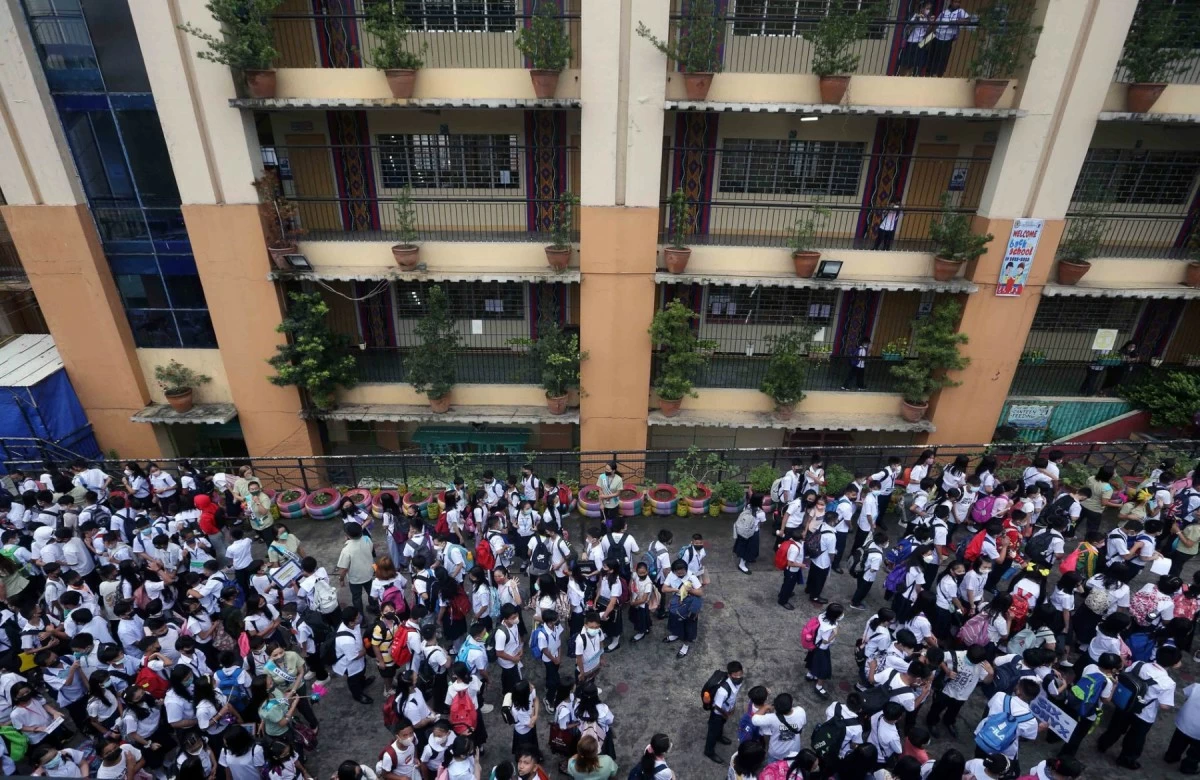
PBEd calls on lawmakers to boost funding for Philippine education in the 2026 budget, citing chronic underinvestment below UNESCO standards. (Manila Bulletin / file)
Urging full transparency and greater investment in education and human capital, an advocacy group on Saturday, August 23, called on lawmakers to prioritize Filipinos over infrastructure as they tackle the 2026 budget.
“We must allocate our resources where they matter most, because every peso wasted denies our people access to vital programs—such as education, nutrition, and healthcare—that they rightfully deserve,” said Philippine Business for Education (PBEd) Executive Director Bal Camua in a statement.
Concerns over underfunding in education
PBEd also raised concerns over chronic underfunding in the education sector.
Citing the 2026 National Expenditure Program (NEP), PBEd noted that the approximately P1.178 trillion allocated for education—equivalent to roughly 3.8 percent of the country’s Gross Domestic Product (GDP)—remains below the UNESCO-recommended 4 to 6 percent.
Based on the Year Two report of the Second Congressional Commission on Education (EDCOM 2), PBEd added that education spending has averaged only 3.2 percent of GDP over the past decade.
Despite the Constitution mandating the government to give education the “highest priority,” the Philippines continues to lag behind global standards, highlighting the persistent challenge of underinvestment.
“We cannot afford to let insertions and inefficiencies eat into the education budget,” Camua said. “Every year we delay meeting the standard, we risk losing a generation.”
He stressed that “opening the budget deliberations from start to finish will help strengthen accountability and ensure that public funds truly serve the people.”
PBEd welcomes EWDG creation
Meanwhile, PBEd welcomed the creation of the Education and Workforce Development Group (EWDG) under Administrative Order No. 36, a high-level inter-agency initiative aimed at improving coordination among education agencies.
“The creation of the EWDG is a crucial step toward bridging the gap between what our schools teach and what our industries need,” Camua said.
“For it to truly succeed, it must be grounded in transparent budgeting, strong accountability, and active engagement with stakeholders—so that every reform genuinely delivers better education and brighter opportunities for all Filipinos,” he added.