







Amid silence and sirens: A tour into wartime Jerusalem
Published Aug 23, 2025 10:23 am
|
Updated Aug 23, 2025 02:27 pm


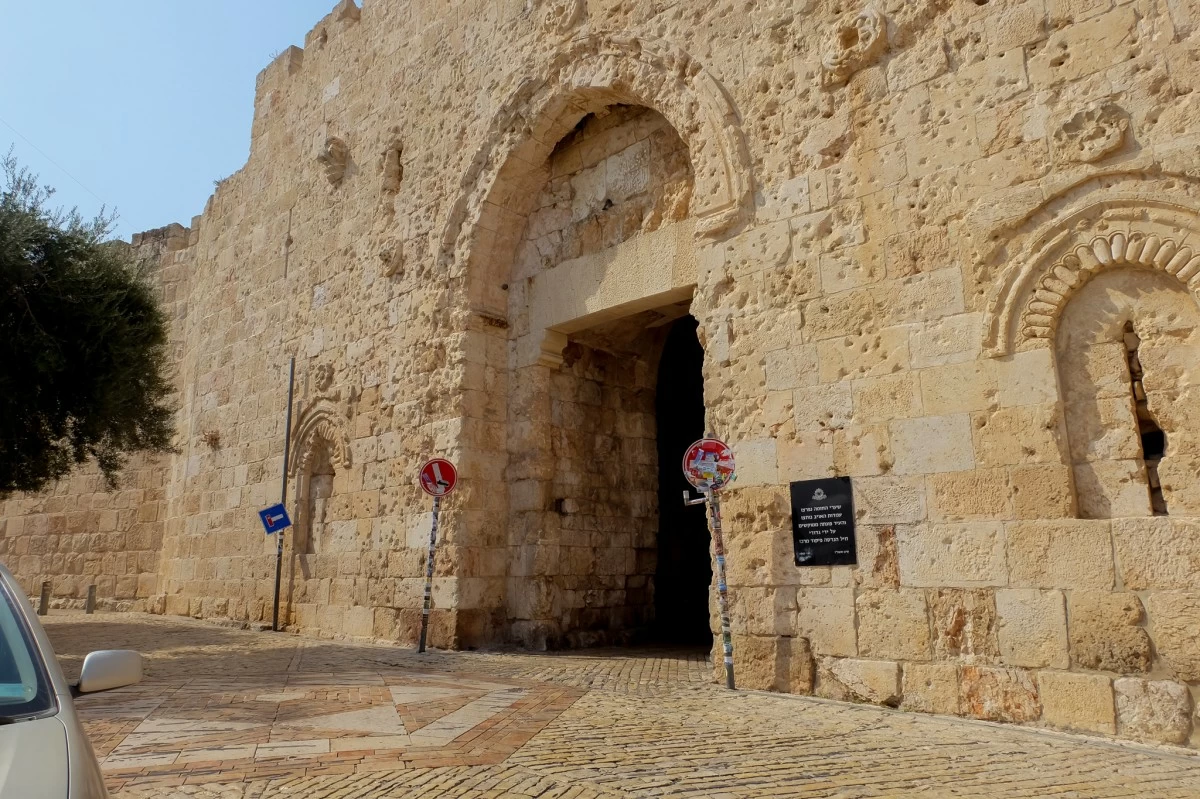
Jerusalem stands in silence, a contrast to the wailing sirens.
And while the labyrinthine Old City used to echo with prayers, it now only hears the chirps of the birds.
An empty hall greeted Christian pilgrims entering the Cenacle—known as the last supper room, where Jesus Christ spent his last passover before his crucifixion.
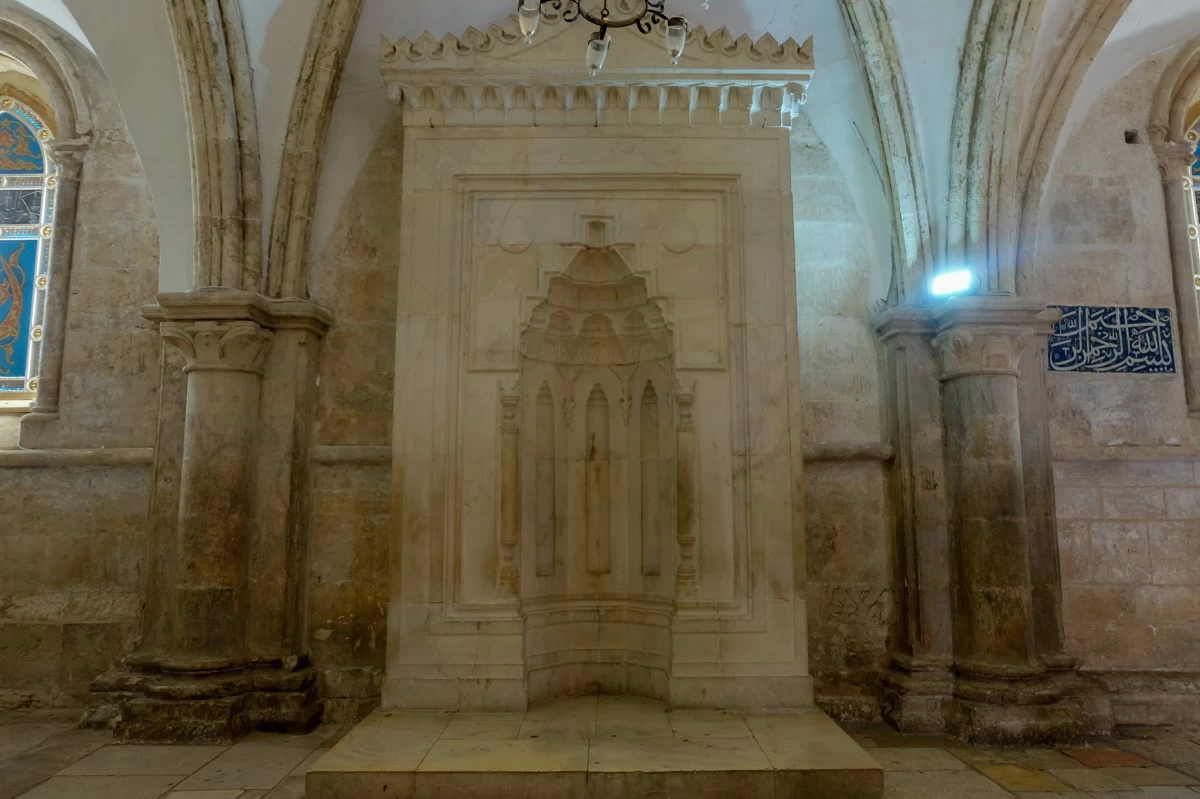
In the Book of Acts in the Bible, it was the same room where Jesus' disciples gathered and spoke in "other tongues" or different languages, on the day of the Pentecost.
The Cenacle is also called the Upper Room because below, in the lower level, lies the tomb of David, king of ancient Israel, venerated by Jews.
There, a complete opposite: Jews, wearing kippah (skullcap) and tzitzit (fringes on garment), recite Psalms at the cenotaph, the monument for the dead.
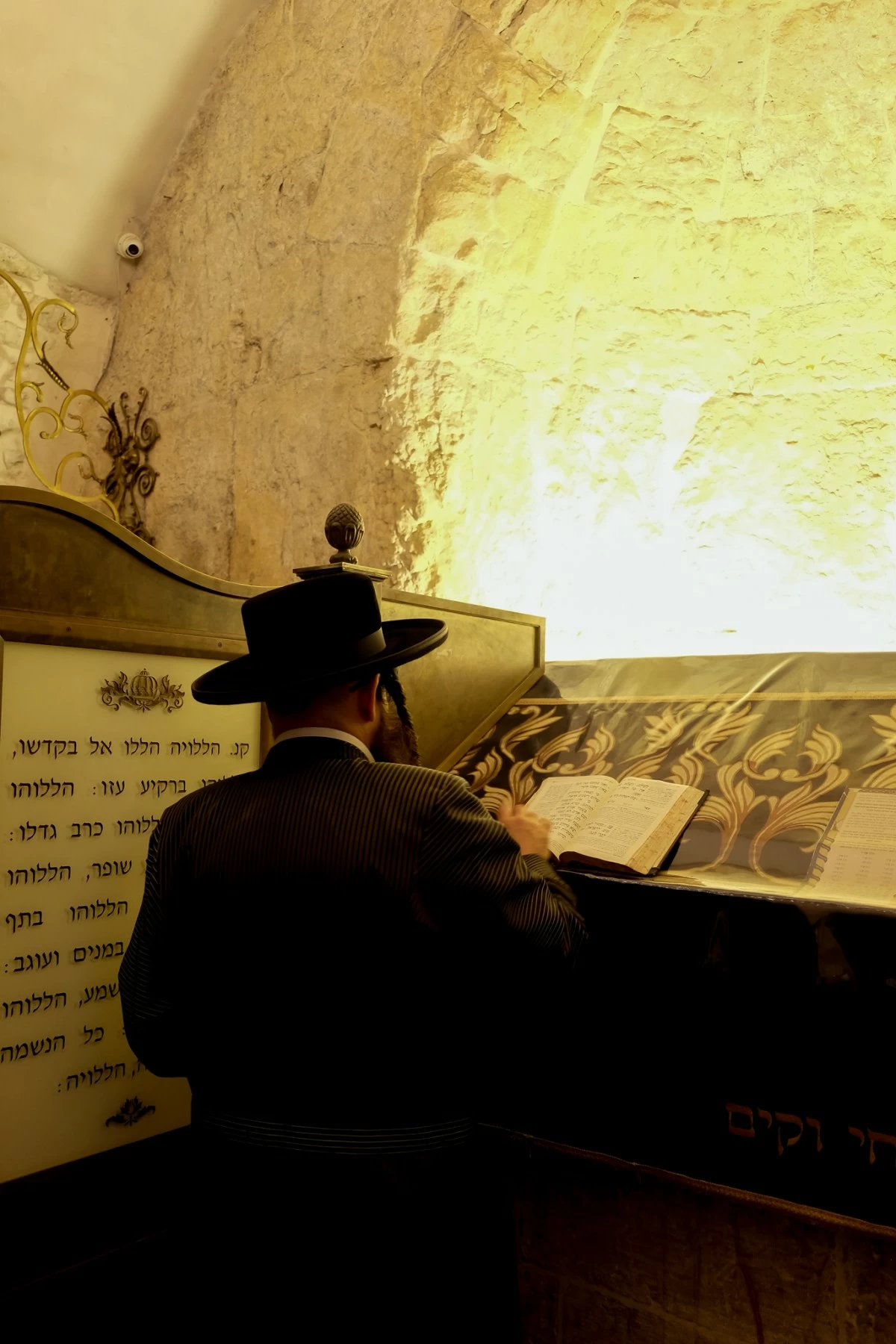
They are singing praises, as they await the arrival of the Messiah, the divine savior of mankind.
On the alley proceeding to the Old City, pilgrims—those who have made it to Israel and shrugged off the ongoing war—experience yet another hush. There are only whispers in the air.
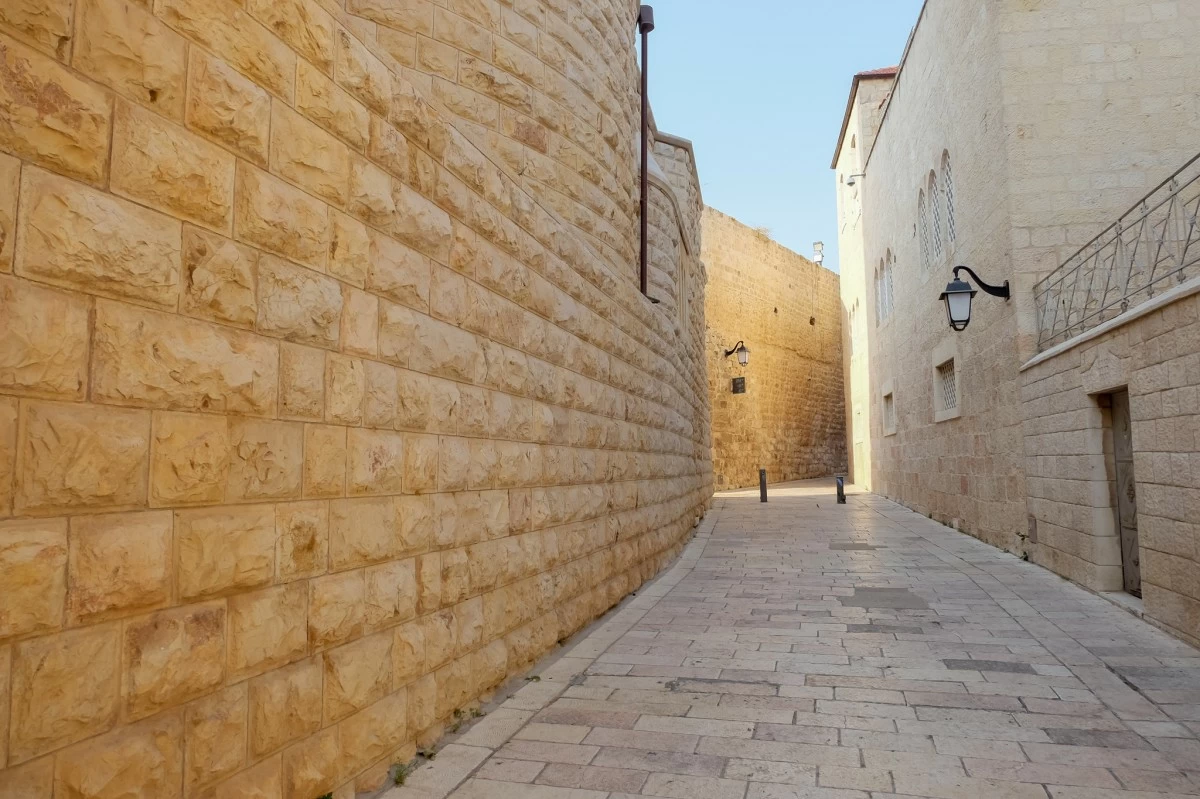
Jerusalem’s Old City is divided into four quarters: the Jewish, the Christian, the Muslim and the Armenian.
A short walk from the Jaffa gate, one of Old City’s seven gates, stands Christianity's holiest site: the Church of the Holy Sepulchre.
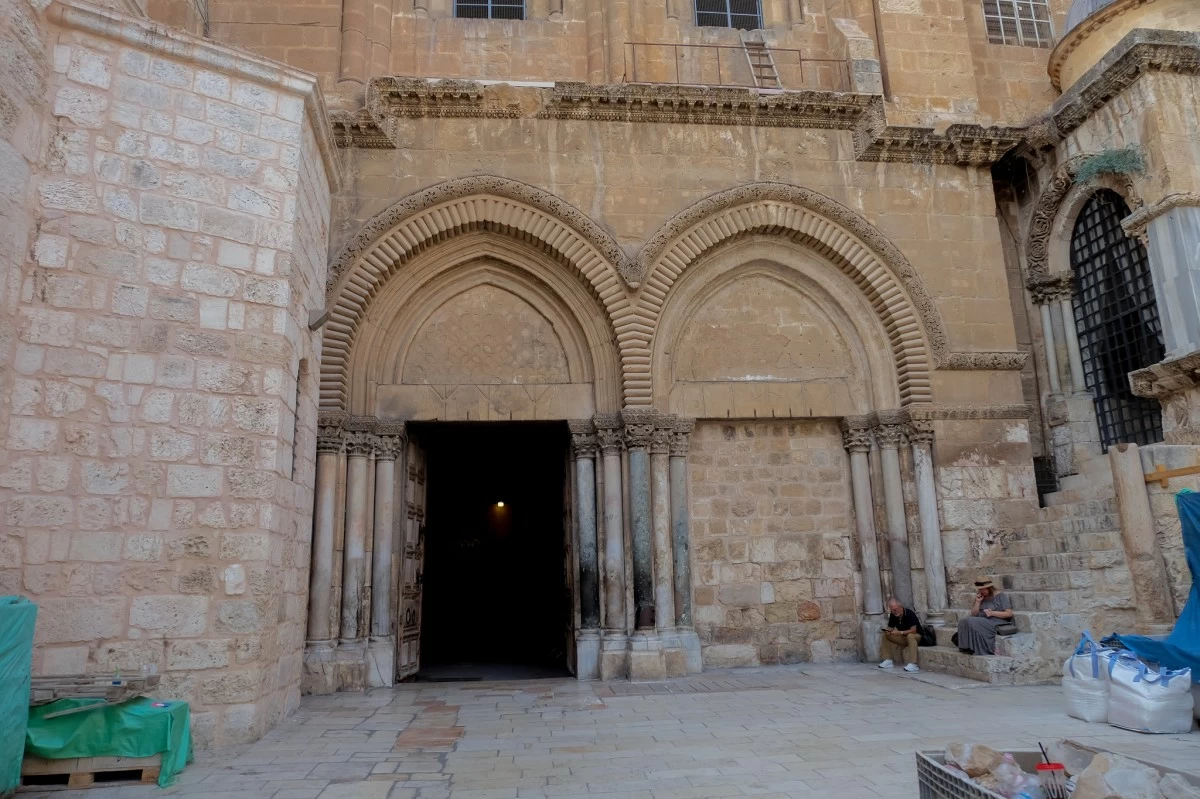
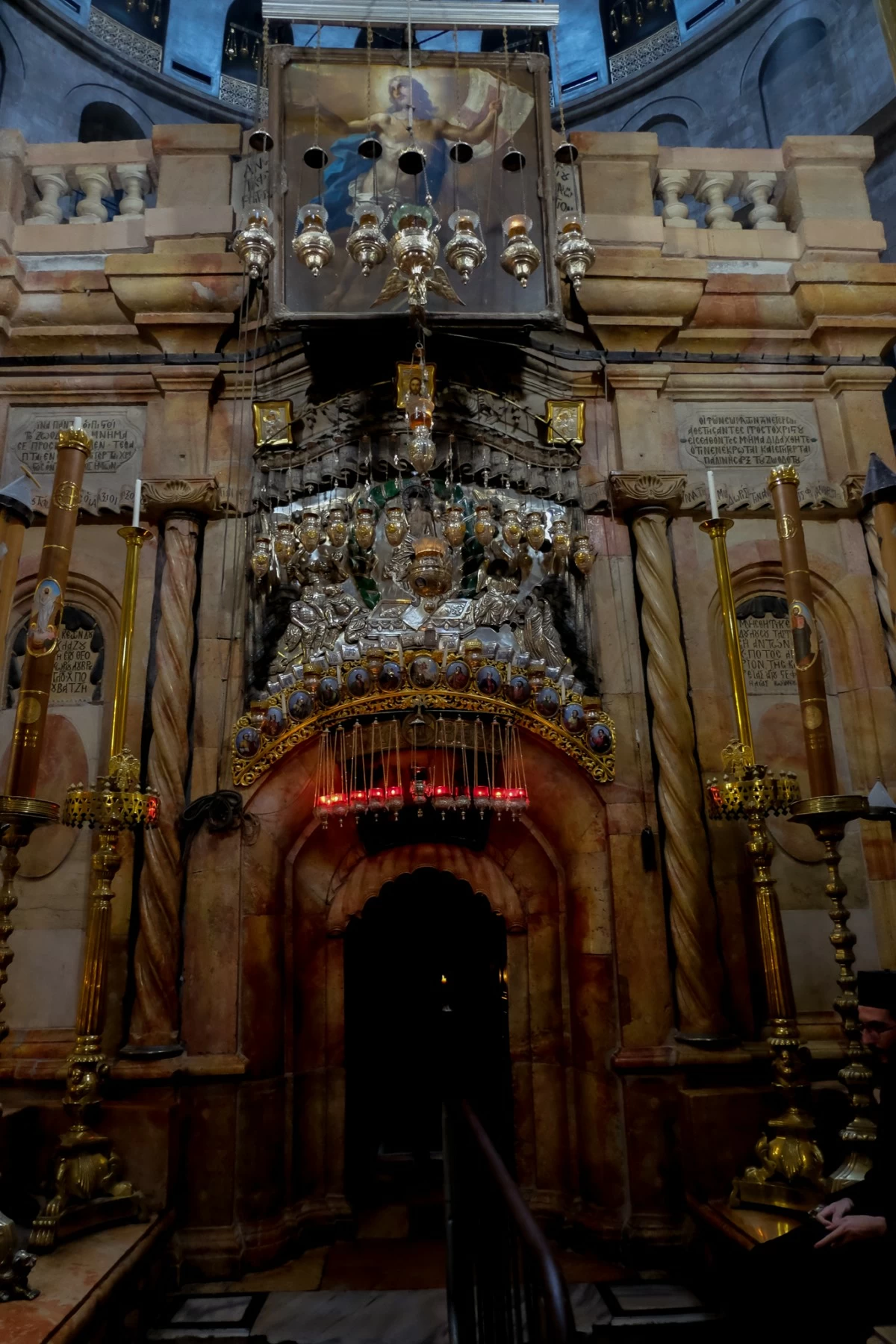
It used to draw a large swath of people from the world's largest religion. But war-time Israel changed the situation. There's no more crowd. There's no more lines of pilgrims waiting to enter Jesus' tomb as well as those waiting to see and touch the Golgotha, where he was believed to have been crucified.
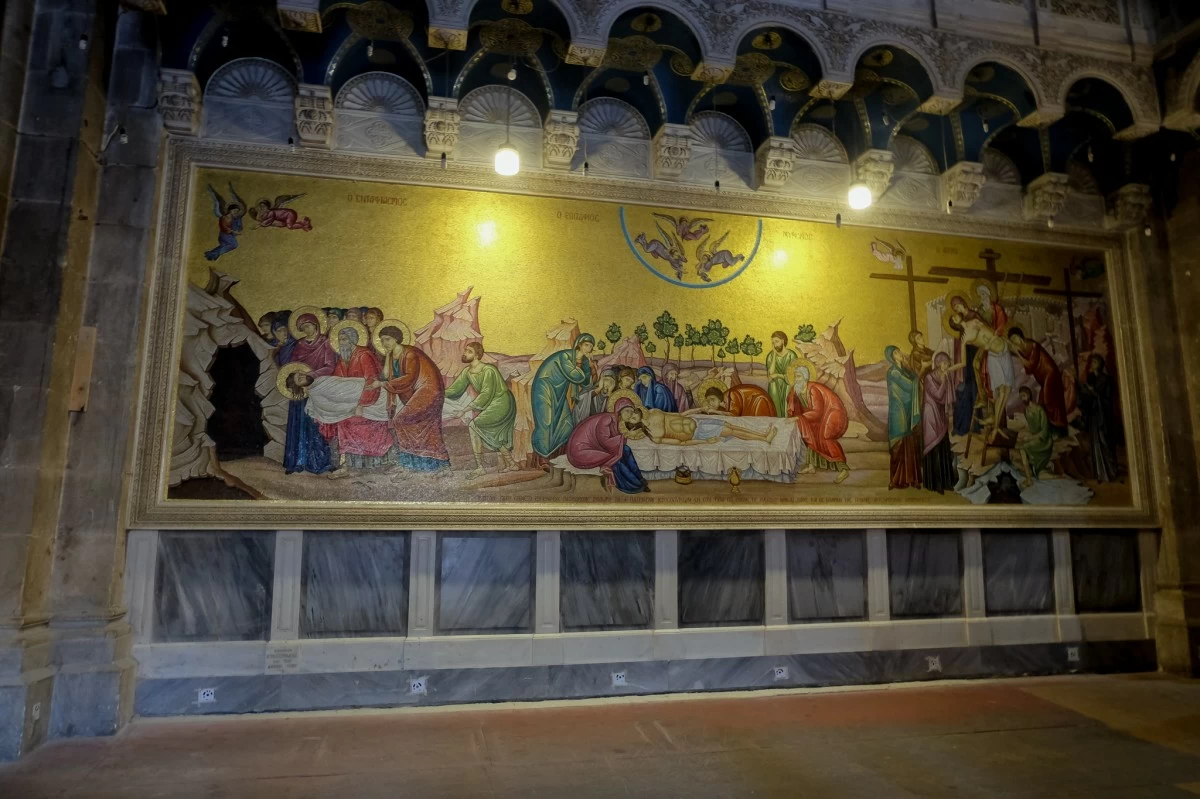
From four hours of waiting, pilgrims can now make their way in less than 10 minutes.
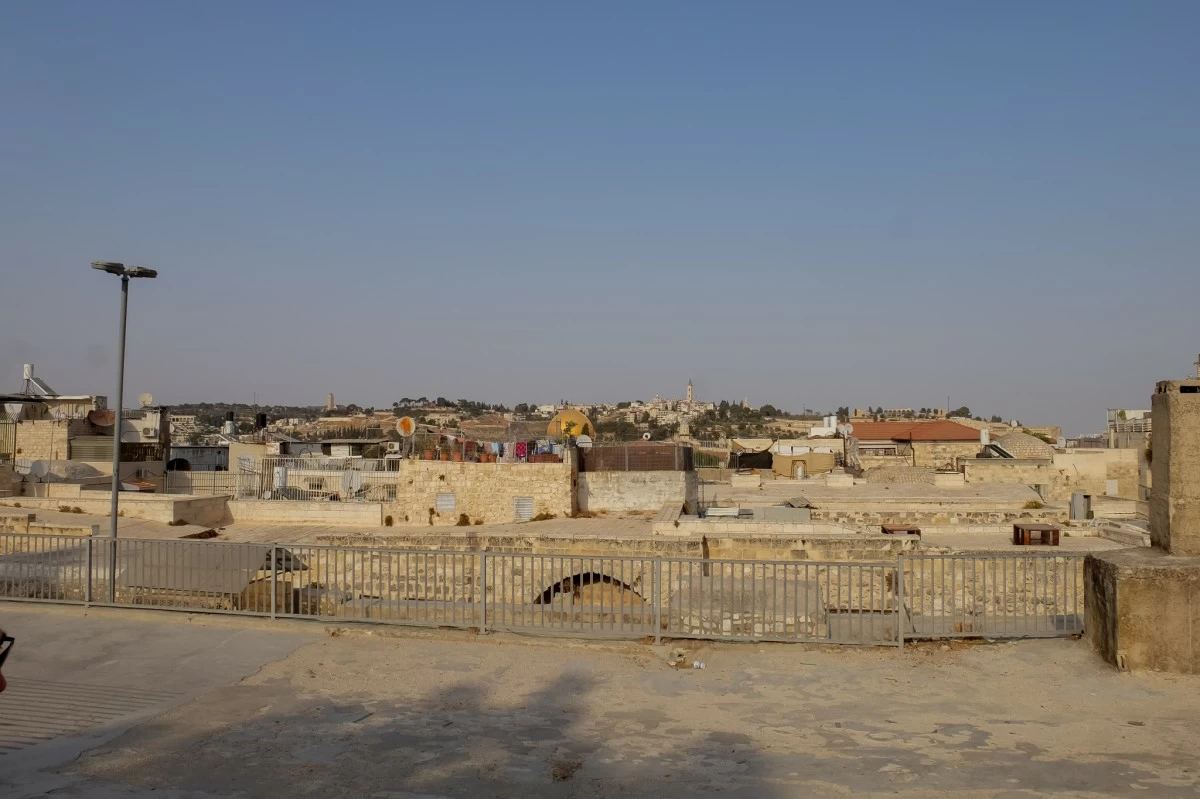
The golden top of the Dome of the Rock hovers where birds' wings flap. Said to be the oldest surviving work of the Islamic architecture, it is located within the Al-Aqsa mosque compound in the Muslim quarter.
It has inscriptions that tell proclamations of Islam, and of prophet Muhammad. They, too, tell Quranic verses, such as Surah Al-Isra, which affirm God's oneness and Muhammad's prophethood.
There were also pious sayings as well as references to the Umayyad caliphs who built it.
For Muslims, the Old City's Al-Aqsa Mosque is holy. It's the location of Prophet Muhammad's Night Journey and Ascension (Isra and Mi'raj), and Islam's first Qibla (direction of prayer).
Then, to the west stands Judaism's holiest site: the Western Wall. Called Kotel (meaning wall) by Jews, it is an ancient retaining wall of the Jewish early temple, Temple Mount.
There, Jews break the Old City's silence. In front of the wall, they wail. They pray. They express hopes. They write their wishes on papers, put them on the crevices.
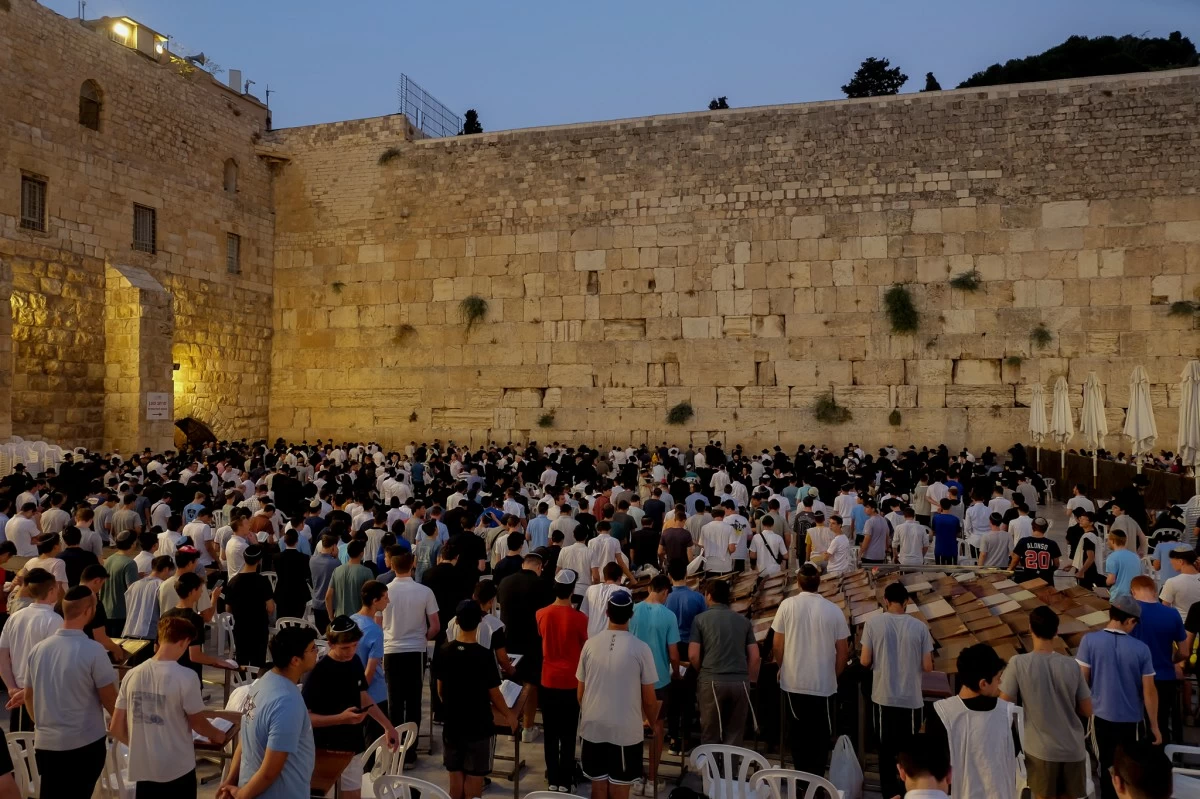
Anytime of the day, Jews gather there.
Far from the fires that engulf Gaza, the water flows along the Jordan River, another holy site for Jews, Christians and Muslims located on Israel's northeastern part.
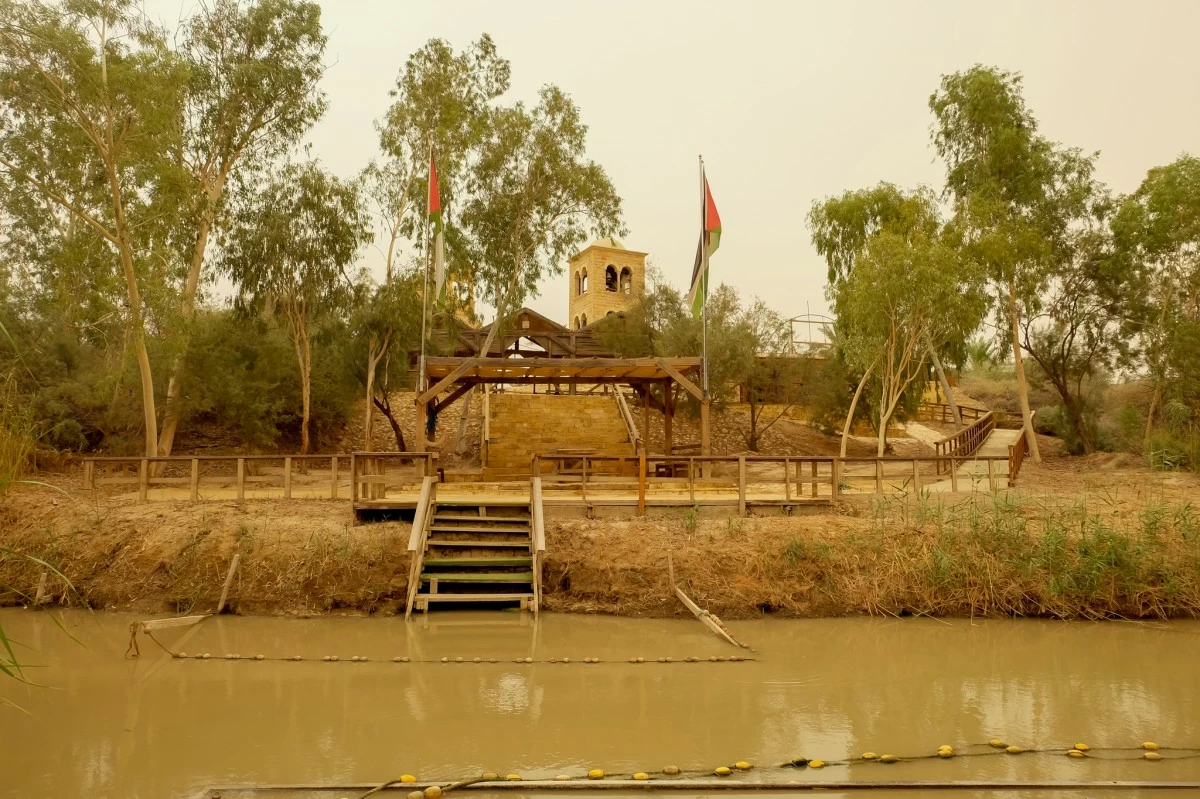
For Christians, it was where John baptized Jesus. For Jews, it served as their entry into the "Promised Land," as stated in the Book of Joshua. And for Muslims, its eastern bank served as burial sites for Muhammad's closest companions.
Further north is the ancient village of Capernaum, where Jesus lived, preached and healed. It environs the Sea of Galilee, where Jesus held miracles—walking on the water, calming the storm.
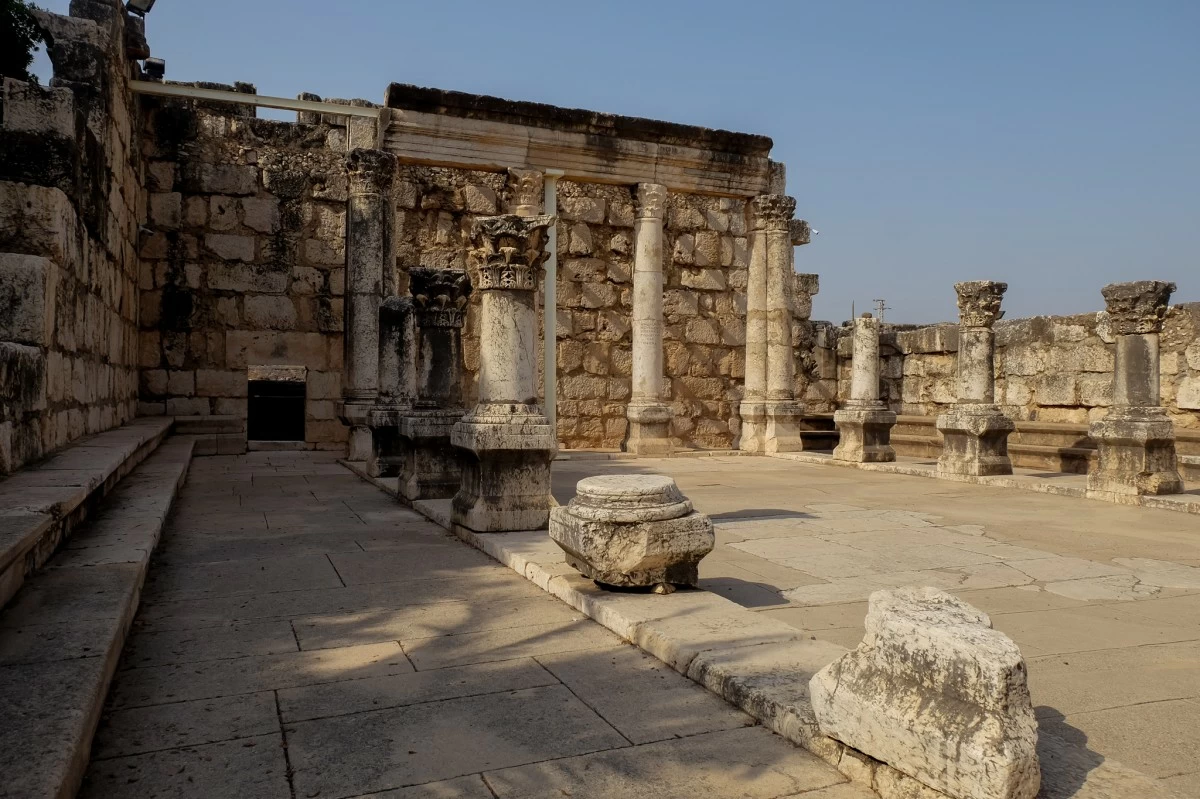
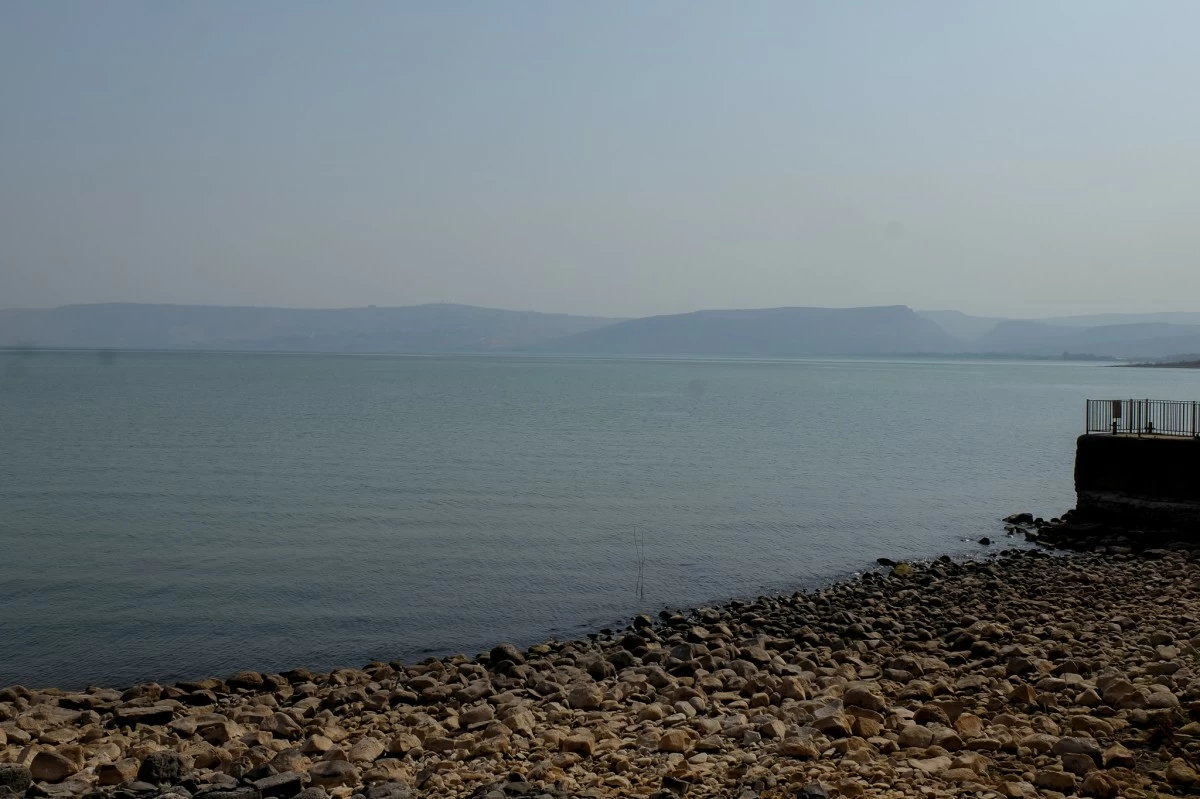
In the Capernaum, according to the Gospel of Luke, Jesus also held a miraculous catch of fish for Peter, who was fishing in the Sea of Galilee.
Peter then became his disciple. Then he became the founder of the Church of Antioch and the Church of Rome.
For Muslims, Jews and Christians, and for Israel and Palestine, Jerusalem is a thorny issue. It is so old that it has become a source of discord.
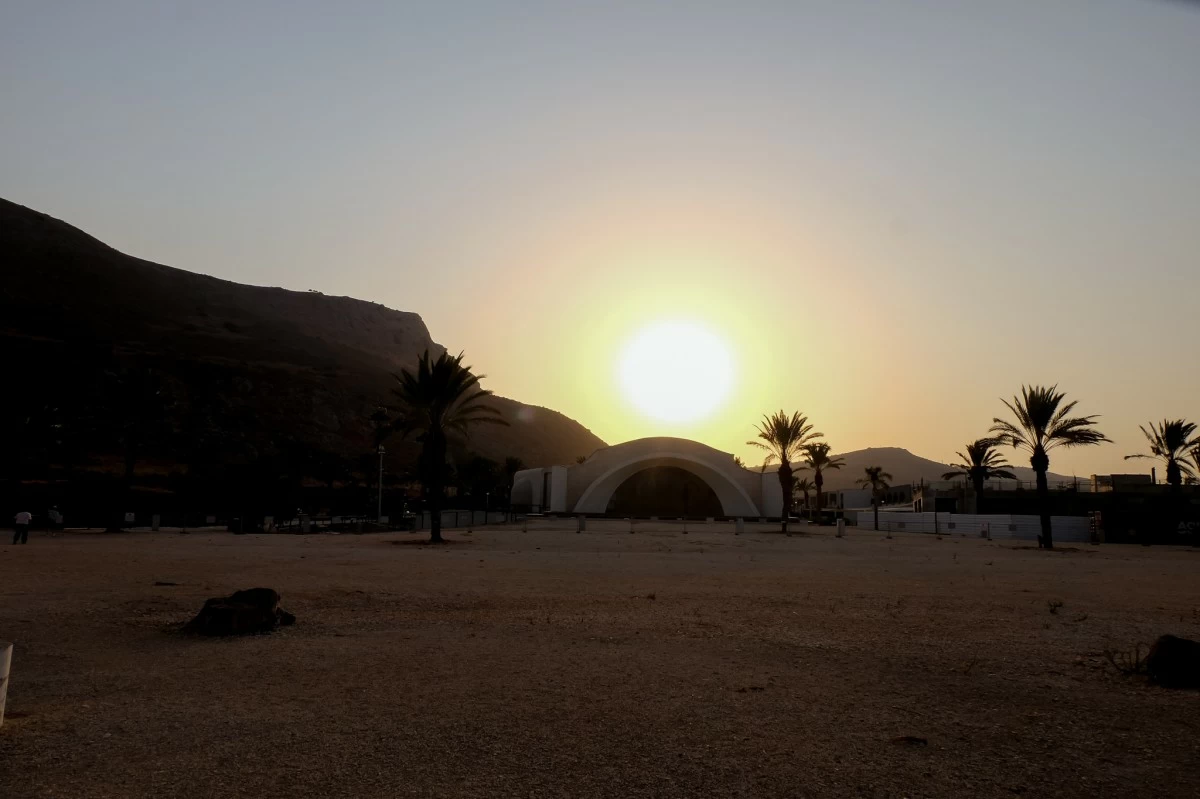
It is where people from three religions gather to pray. But now, it's the one that prays.