







8 traditional baby remedies that could put your baby at risk
Coin on the belly button? Hilot for fever? A pediatrician explains why some may harm your baby and what to do instead
Published Aug 23, 2025 10:18 am


Illustrations by Nancy Marie Andam
From rubbing manzanilla oil on a fussy baby to placing a coin on the belly to “fix” an outie, these traditional remedies are usually passed down with love and good intentions. But some may carry real health risks.

Dr. Jayeanne Bihag-Lomibao
To help parents make safer choices, Manila Bulletin Lifestyle spoke with Dr. Jayeanne Bihag-Lomibao, a board-certified pediatrician, who explains which traditional remedies to avoid and what science-backed alternatives to use instead.
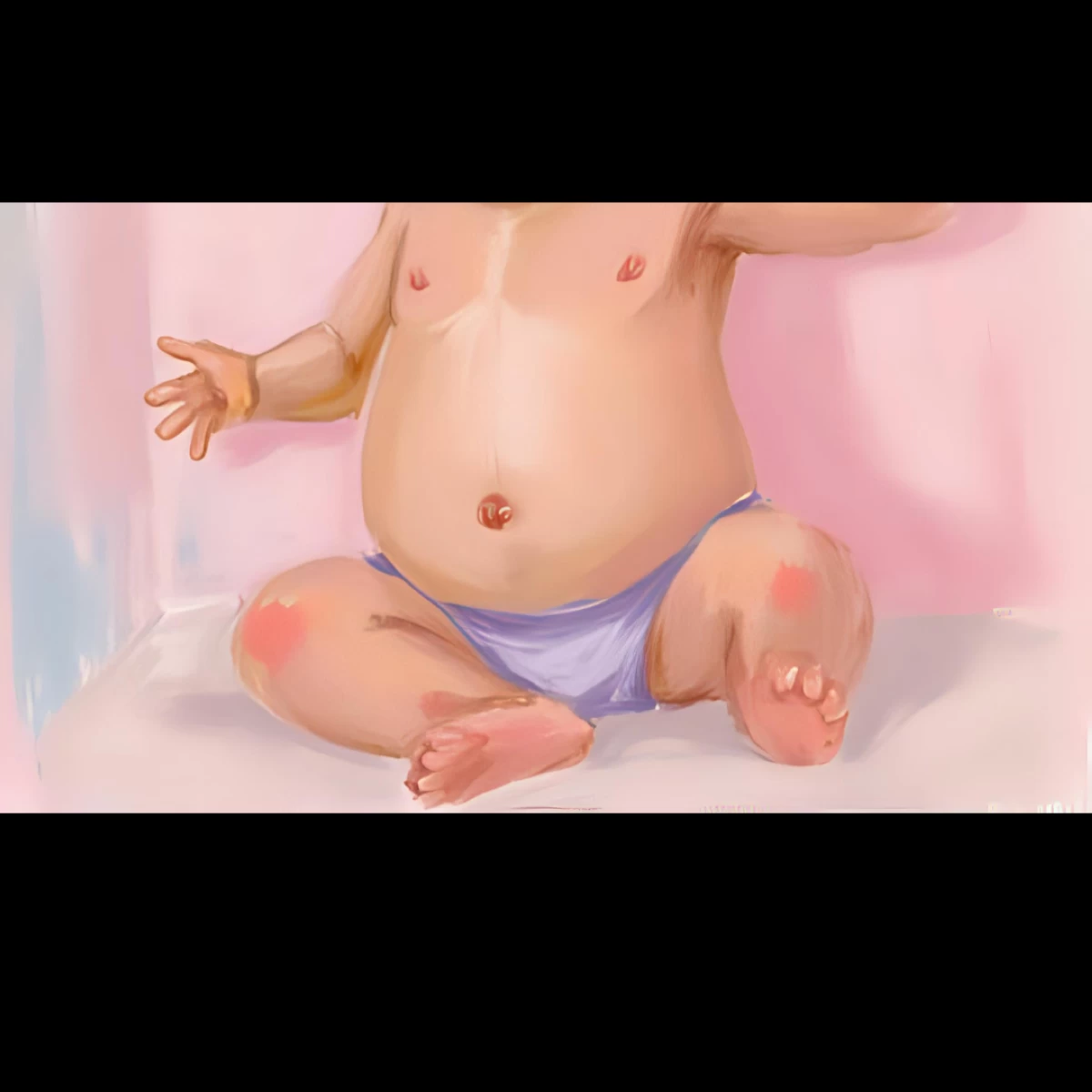
1. “Put a coin on the baby’s belly button to fix an outie or hernia.”
Umbilical hernias in newborns, often caused by weak abdominal muscles, typically resolve on their own by age two to three years. Taping a coin or other object over the hernia does not help it heal and may prevent it from closing naturally. This practice also poses risks of infection, skin irritation, and could be a choking hazard if the object becomes loose.
Doctor’s recommendation: Keep the belly button clean and dry. Watch out for color changes, an increase in size, or when the bulge becomes hard or cannot be pushed back. Have a regular visit with your pediatrician to ensure it's healing normally.

2. “Hilot (traditional massage) can cure common infant illnesses.”
Gentle massage may comfort a child, but “hilot” cannot treat infections, dehydration, or serious illnesses. Pressing on a distended abdomen or using oils improperly can delay the recognition of symptoms that require medical attention. Applying pressure to a fractured limb can cause severe pain and may complicate the healing process.
Doctor’s recommendation: Patient education during pediatric visits should include basic management strategies for mild acute childhood illnesses, such as fever, diarrhea, coughs, and colds. Furthermore, parents should always consult their pediatrician to determine when emergency medical attention is required.
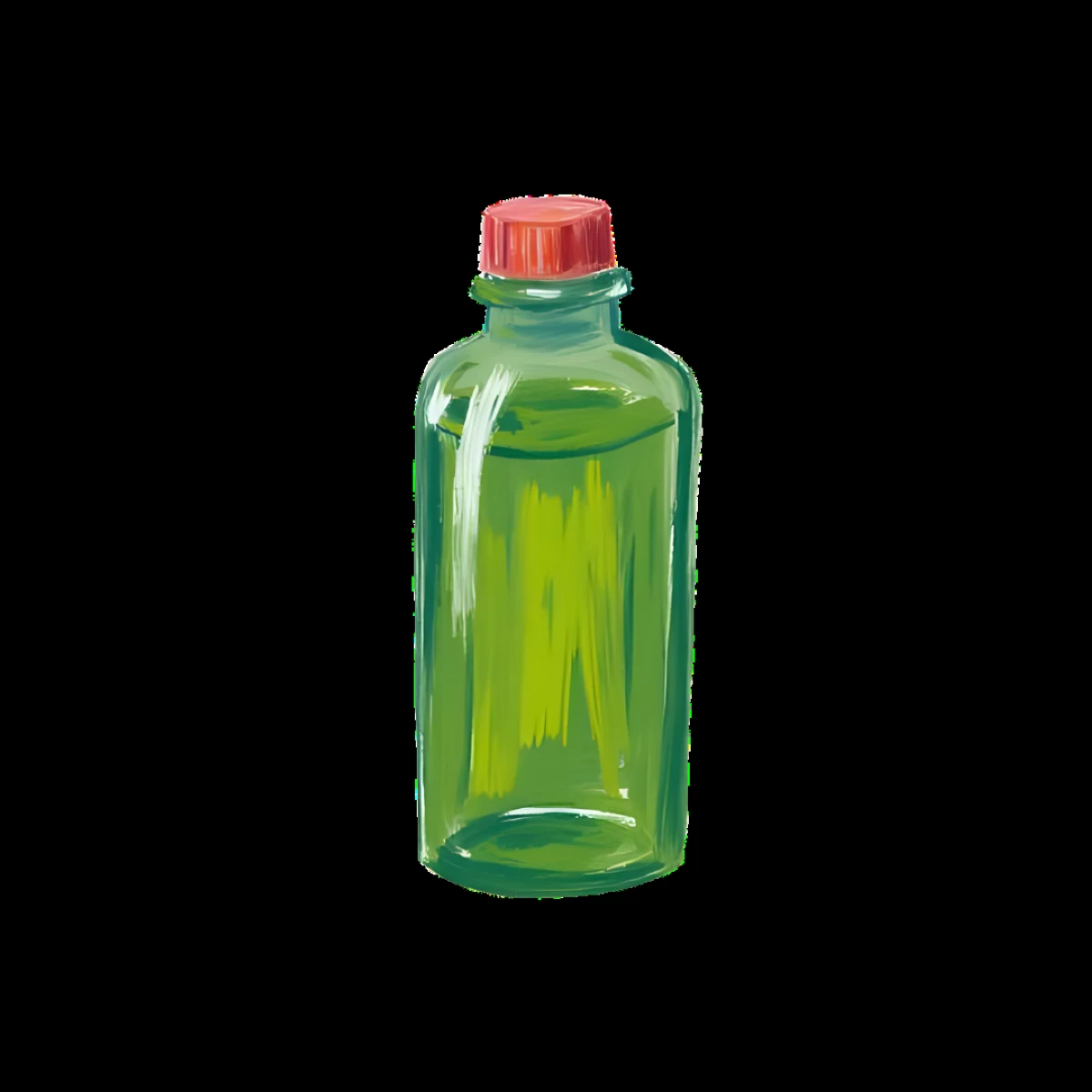
3. “Manzanilla oil can cure colic, fever, and almost any baby discomfort.”
Manzanilla oil may have mild soothing effects when applied topically, according to adults, but there is no evidence that it cures colic, fever, or other infant conditions. Since babies’ skin is sensitive, even a small amount of manzanilla oil can cause irritation. Additionally, infants with G6PD deficiency are strongly advised to avoid products containing menthol or camphor.
Ask your Pediatrician about evidence-based practices for managing infant colic, fever, and any baby discomfort. It is best to be guided by evidence when caring for our little ones.
4. “Saliva on the baby's forehead stops hiccups.”
There is no medical basis for this practice. In some cases, saliva may cause skin irritation or an allergic reaction in the baby.
Doctor's recommendation: Hiccups usually resolve on their own, and simple repositioning or breastfeeding often provides relief.
5. “Egg white or vinegar on the forehead cures fever.”
Applying egg or vinegar to the skin has no fever-reducing effect. It can irritate the skin and increase the risk of infection.
Doctor’s recommendation: For infants, paracetamol is generally considered the safest antipyretic. Ibuprofen should be administered only for high fevers and under the guidance of a pediatrician. Non-pharmacological methods for fever management include ensuring adequate hydration, dressing the child in light, breathable clothing to prevent heat retention, maintaining a cool room temperature (25-26°C), and utilizing tepid sponge baths with lukewarm water (not cold water or rubbing alcohol).

6. “Expose babies to the sun at noon to strengthen bones.”
Vitamin D is important for bone health. Exposure to moderate levels of early morning sunlight—about 15 to 20 minutes between 6 a.m. and 9 a.m.—is considered a safer way to get it. UV exposure at noon carries risks such as sunburn and skin damage.
Doctor's recommendation: Breastfeeding, along with dietary sources or supplementation as recommended by pediatric guidelines, remains the safest and most effective approach.
7. “Sweating out a fever will help the baby heal.”
Intentionally overheating a child by swaddling or adding extra layers to induce sweating during a fever increases the risk of dehydration. Fever is the body’s natural response to fight infection.
Doctor's recommendation: Supportive care, such as ensuring proper hydration, dressing the child in light clothing, and using antipyretics, is a more effective way to manage fever.
8. “Babies should be given herbal teas like 'lagundi' or 'sambong' for coughs.”
Herbal teas commonly used by adults to treat cough are not regulated for infants. No pediatric studies have confirmed their safety or effectiveness. Some ingredients can be toxic to infants, while others may cause allergic reactions.
Doctor’s recommendation: The majority of childhood coughs are self-limiting and respond well to supportive measures. Maintaining adequate hydration, utilizing a cool-mist humidifier to increase air moisture, ensuring a smoke-free environment, and avoiding strongly scented products are recommended. It is crucial to communicate warning signs that will warrant immediate medical consultation or emergency department evaluation.
To clarify more newborn care myths, click this. To know how to handle the elders and their well-meaning advice, click here.